

Tabuk nurseries produce 2.6 million seedlings annually to boost greening, sustainability
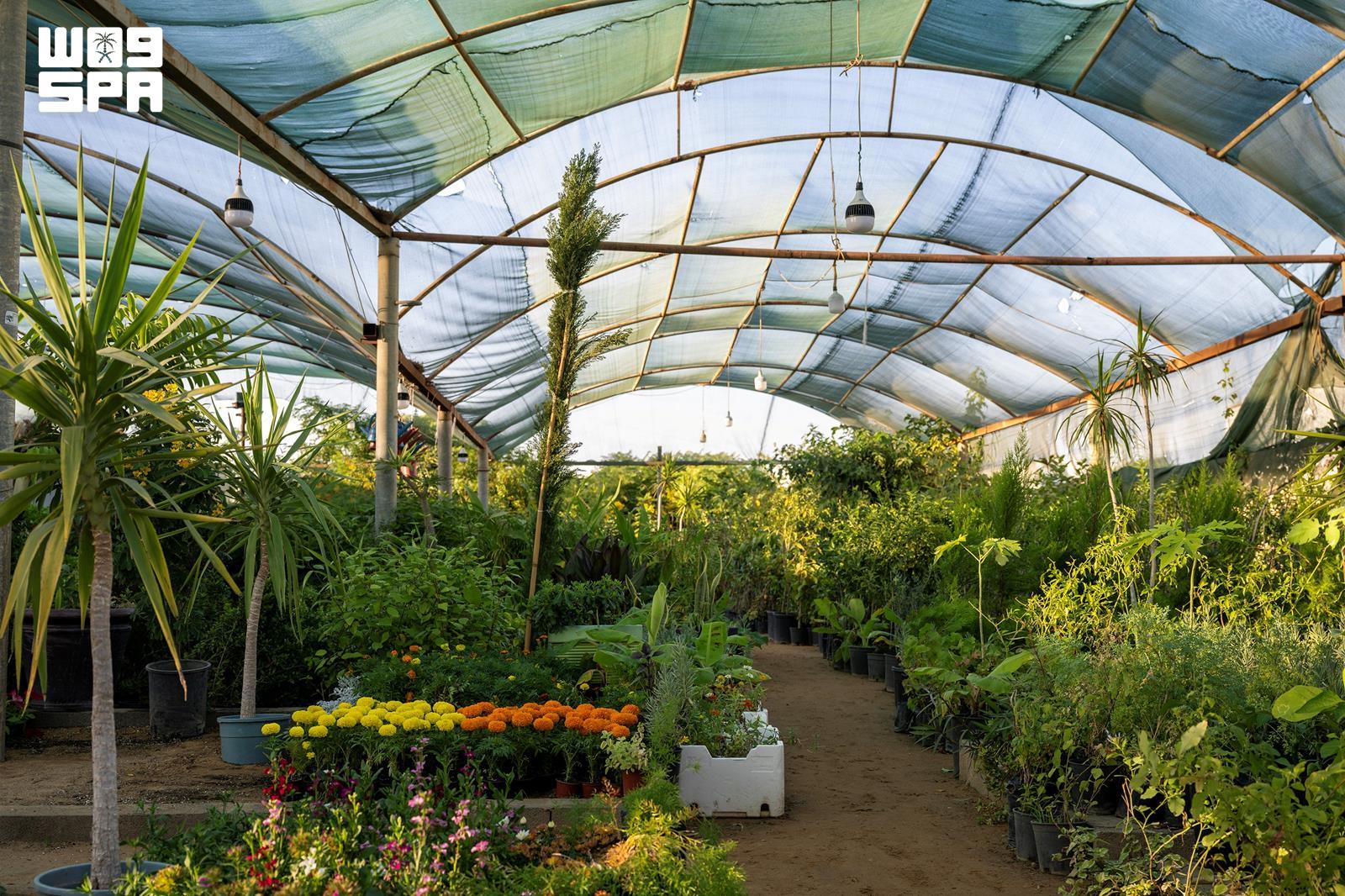
Nurseries in Tabuk produce around 2.6 million seedlings each year, focusing on native species to support vegetation cover and environmental sustainability.
Key Takeaways
AINurseries in the Tabuk region play a key role in supporting agricultural production and enhancing vegetation cover, producing around 2.6 million seedlings annually, including citrus, olives, fruit trees, and ornamental plants.
The nurseries, operated by the local branch of the Ministry of Environment, Water and Agriculture and licensed private nurseries, offer a wide range of fruit trees such as peaches, apricots, and grapes, as well as citrus, olives, ornamental seedlings, flowering shrubs, and native wild plants.
Amjad Thalab, Director of the Ministry of Environment, Water and Agriculture’s Tabuk branch, said this output is part of a plan to increase nursery production capacity and support national greening initiatives. He noted that the nurseries supply a variety of seedlings adapted to the local environment to meet the needs of government agencies, the private sector, and farmers.
Thalab added that Tabuk nurseries have achieved a significant leap in both the volume and diversity of production this year, with a focus on propagating native species such as acacia, sidr, and arta, alongside fruit and ornamental trees. This contributes to expanding green spaces, combating desertification, and improving quality of life, in line with best agricultural practices and the goals of the Saudi Green Initiative and Vision 2030.
The production list includes species of trees and wild shrubs adapted to the local environment, such as Najdi acacia, samr, sayal, sidr, neem, and moringa, as well as shrubs like caper, markh, arfaj, ramth, and arta. These support plant diversity, the effectiveness of environmental greening projects, and the restoration of vegetation cover, in addition to ornamental trees, evergreen and flowering shrubs, ground cover plants, and seasonal flowers.