

Mecca Pact reaffirms collective defense to support Saudi security against Houthi attacks
Saudi Arabia, Pakistan, and Turkey have renewed their commitment to collective defense and mutual solidarity to support the Kingdom against Houthi attacks.
Key Takeaways
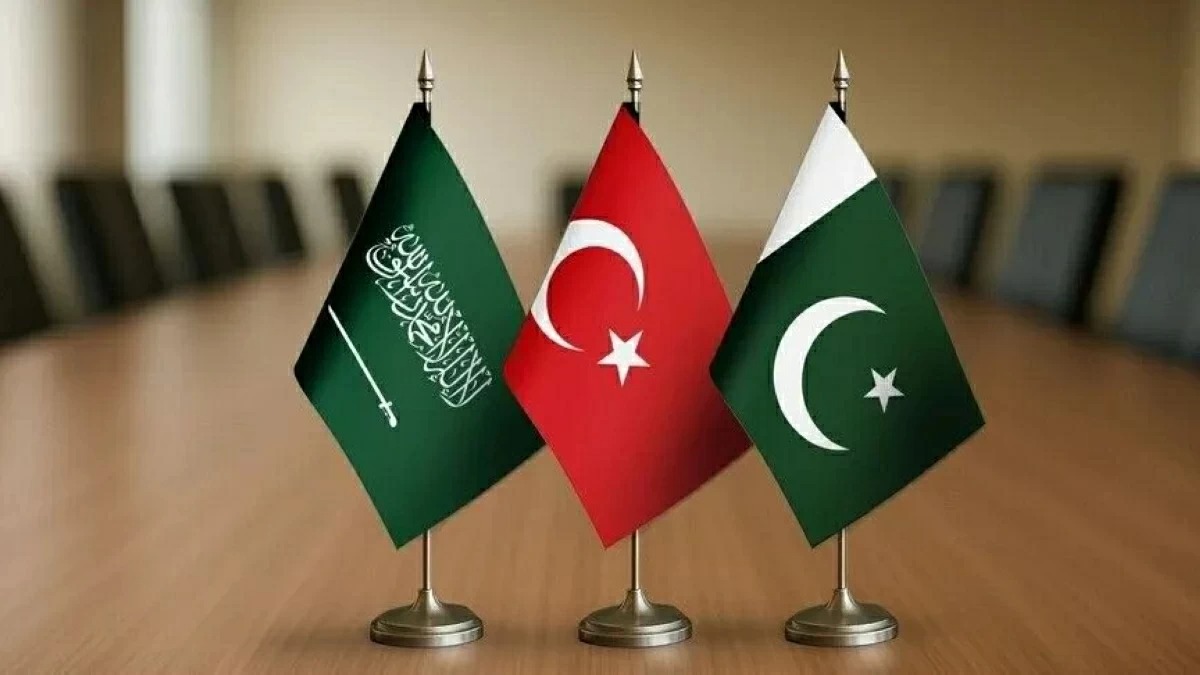
AISaudi Arabia, Pakistan, and Turkey have reaffirmed their commitment to upholding the principles of collective defense and mutual solidarity, pledging continued joint efforts to support the Kingdom’s security in the face of Houthi attacks targeting civilians and civilian infrastructure. The pledge was made during the second meeting of the Political and Defense Strategic Committee of the Mecca Defense Pact, held in Islamabad on November 27, 2026.
At the conclusion of the meeting, the three countries reiterated their adherence to the principles and objectives of the Mecca Joint Defense Agreement, foremost among them collective defense, mutual solidarity, and respect for each party’s sovereignty and territorial integrity. They stressed their determination to continue joint action to achieve peace, security, and stability in the region.
The committee renewed its condemnation of ongoing Houthi attacks targeting civilians and civilian facilities in Saudi Arabia, affirming the three countries’ resolve to accelerate joint efforts to support the Kingdom’s security in accordance with the collective defense provisions of the agreement.
The committee reviewed the outcomes of its previous meetings, including its first session in Istanbul on August 31, 2026, and the emergency meeting hosted by Riyadh on October 5 of the same year, as well as progress made in implementing their decisions.
The committee’s agenda included establishing the institutional frameworks of the pact and developing practical mechanisms for implementing collective defense commitments in line with the national legislation of the three countries.
In this context, the committee welcomed progress toward establishing the pact’s General Secretariat in Saudi Arabia and activating its operations, highlighting its importance in supporting institutional work and enhancing coordination among member states.
The committee also discussed the outcomes of ongoing political and military consultations, with participants agreeing to continue these talks to strengthen cooperation and coordination on issues of common concern, support regional de-escalation efforts, and encourage peaceful conflict resolution through dialogue and diplomacy.
The three countries affirmed their commitment to expanding cooperation in defense industries, joint technological development, training, and capacity building, aiming to enhance military capabilities, coordination among their armed forces, and address shared security concerns.