

Jazan Health Cluster team diagnoses rare muscle disease after year-long struggle
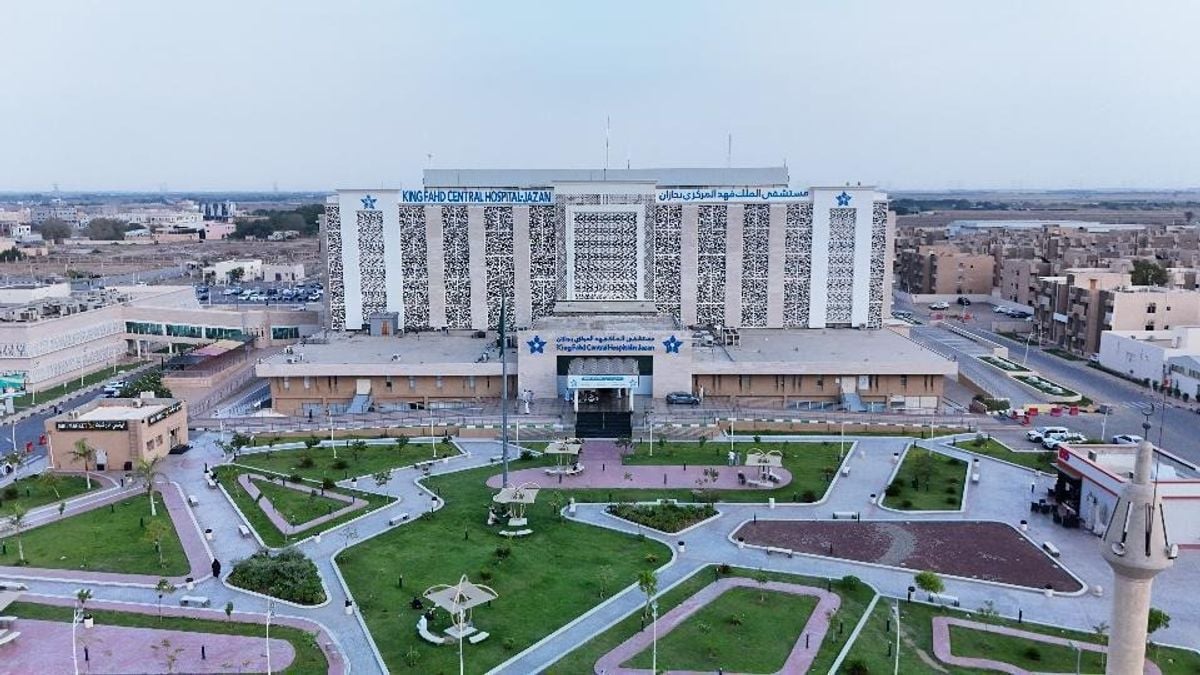
A specialized team at King Fahad Central Hospital in Jazan has diagnosed a 56-year-old patient with a rare muscle disease after a year of symptoms.
Key Takeaways
AIA specialized medical team at King Fahad Central Hospital in Jazan, part of the Jazan Health Cluster, has successfully diagnosed a 56-year-old patient with inclusion body myositis (IBM), a rare muscle disease that causes progressive muscle weakness, following nearly a year of suffering.
The patient initially experienced increasing difficulty in walking and movement, along with changes in the cervical and lower spine. These symptoms were first attributed to spinal problems, leading to surgery and a rehabilitation program. However, the patient's condition continued to deteriorate, and he developed difficulty swallowing and rising from a chair.
After being referred to a clinic specializing in peripheral nerve and muscle diseases, the patient underwent a thorough reassessment. The neurological examination included an evaluation of muscle strength, the distribution and pattern of weakness, as well as reflexes, sensation, and motor coordination. The examination revealed a pattern of weakness not fully consistent with the spinal changes, raising suspicion of a muscle disease and directing the medical team toward inclusion body myositis.
Nerve conduction studies and electromyography (NCS/EMG) helped identify the nature of the disorder and supported the clinical suspicion, which was later confirmed by a specialized immunological blood test for disease markers. The sample was sent to a specialized laboratory in the United States, and the result came back positive after about ten days.
The disease is chronic and progressive, with no definitive cure currently available. Care focuses on managing symptoms, preventing complications—especially difficulty swallowing—and maintaining mobility to improve quality of life.
After completing the assessment and establishing a follow-up plan, the patient was discharged from the hospital in stable condition.