

Kulaibeen season begins, marking 13 days of peak summer and date ripening
The Kulaibeen season has started, lasting 13 days and signaling a key phase in the agricultural calendar and the ripening of dates.
Key Takeaways
AIThe Kulaibeen season began today and will last for 13 days, marking one of the well-known periods in the traditional weather and agricultural calendar. Historically, it was associated with observing stars to determine the timing of the year, weather phases, and fruit ripening.
In local folklore, "Kulaibeen" refers to two closely positioned stars and is linked to the "Nathrah" lunar mansion among the astronomical stations. It occurs in the latter part of summer, just before the Suhail season begins.
Agricultural calendar researcher Mohammed Al-Wadayi explained that the start of the Kulaibeen season is a key marker in tracking agricultural periods. He confirmed that Kulaibeen lasts for 13 days, coinciding with the hottest part of summer and the ripening of various crops and fruits. He noted the deep connection between these seasons, the agricultural calendar, and inherited local traditions.
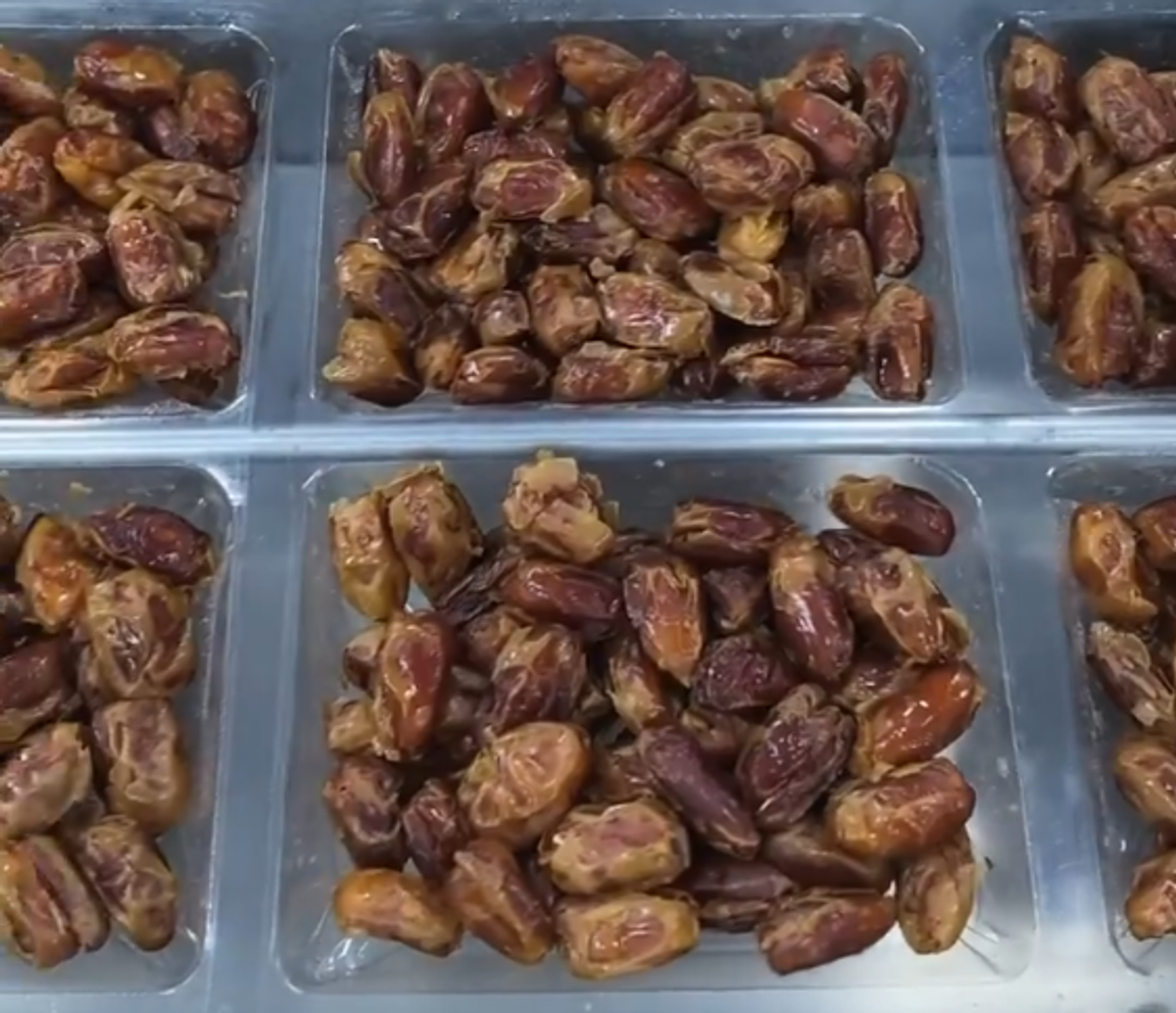
This period aligns with an advanced stage of date and rutab ripening, as palm trees in several regions of the Kingdom undergo coloring, ripening, and harvesting. The timing varies according to variety, location, and climate conditions.
In the Asir region, agricultural activities diversify during this time due to differences in elevation, terrain, and climate. Farmers continue caring for local crops such as sorghum, wheat, barley, and maize, in addition to seasonal fruits and vegetables.
Kulaibeen holds climatic and agricultural significance in local memory. In the past, farmers relied on the appearance of stars and astronomical signs to organize their work, monitor crop growth and fruit ripening, and anticipate weather changes.
With advances in astronomy and meteorology, modern observation tools and climate data have become the scientific reference for weather monitoring and forecasting. However, the names of traditional star periods remain part of the cultural and environmental heritage, reflecting generations of experience in reading the seasons.
The Kulaibeen season continues until August 23, after which the Suhail season begins according to the traditional calendar, marking a seasonal transition historically associated with weather changes, fruit ripening, and the agricultural cycle.