

King Abdulaziz Royal Reserve records first confirmed nesting of Egyptian nightjar in Saudi Arabia
A peer-reviewed study has documented the first confirmed nesting and breeding of the Egyptian nightjar within King Abdulaziz Royal Reserve.
Key Takeaways
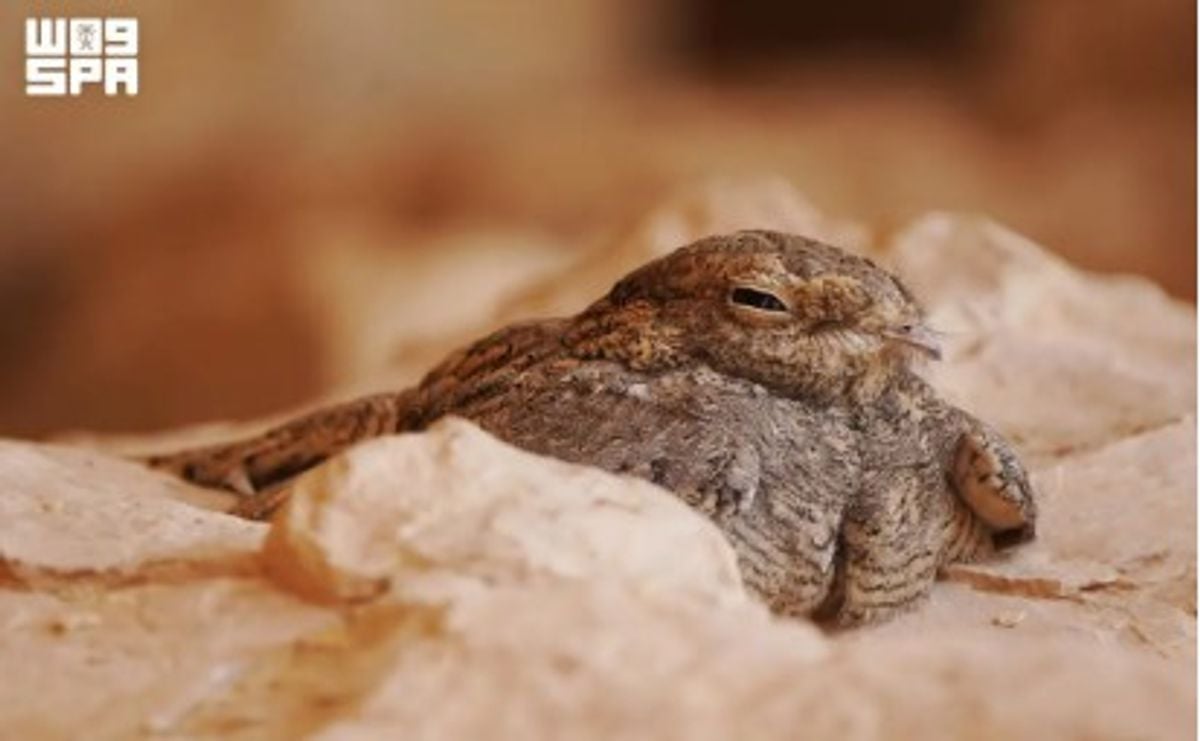
AIThe King Abdulaziz Royal Reserve Development Authority has achieved a new scientific and environmental milestone for Saudi Arabia in wildlife conservation, following the acceptance of a peer-reviewed paper in the international journal Applied Ecology and Environmental Research, published by ALÖKI Kft in Budapest. The study documents, for the first time, a confirmed case of nesting and breeding of the Egyptian nightjar—locally known as 'Mallahi Al-Raiyan'—within the reserve’s boundaries. This rare, nocturnal desert bird is difficult to observe and is listed as Least Concern on the IUCN Red List, giving this documentation special scientific value in understanding the distribution of desert species.
The study was based on meticulous field monitoring at the 'Umm Al-Dhiabah' site, one of the reserve’s unique seasonal wetlands. During monitoring, environmental teams discovered two eggs laid directly on the ground without a traditional nest, a known behavior for this species. On April 15, 2025, about a week after initial observation, eggshell remains were found at the site, confirming successful hatching and the emergence of chicks.
Monitoring teams continued to record repeated sightings of the Egyptian nightjar at multiple locations within the reserve from mid-October, indicating ongoing habitat use and the species’ ability to adapt to local environmental conditions during specific seasons.
The scientific significance of this paper lies in moving the Egyptian nightjar’s status in Saudi Arabia from mere incidental sightings and possible nesting to confirmed breeding, contributing to redefining its breeding range in the Arabian Peninsula and updating data on its distribution and ecological behavior.
This achievement highlights the growing role of King Abdulaziz Royal Reserve as an integrated ecosystem with diverse habitats and seasonal wetlands supporting specialized desert species. The findings underscore the importance of ongoing long-term environmental monitoring and increased nocturnal surveys to deepen understanding of rare species and support biodiversity sustainability, aligning with Saudi Vision 2030 goals for environmental protection, natural resource conservation, and enhanced environmental sustainability.