
King Abdulaziz Public Library celebrates Arabic calligraphy on World Calligraphy Day
Riyadh’s King Abdulaziz Public Library marks World Calligraphy Day with exhibitions, workshops, and displays highlighting the beauty and heritage of Arabic calligraphy.
Key Takeaways
AIKing Abdulaziz Public Library in Riyadh is hosting a series of artistic and cultural activities celebrating Arabic calligraphy and its aesthetic value through a range of events. Arabic calligraphy holds a prominent place in the library’s programs and cultural strategy, which aims to strengthen the connection between contemporary culture and Arab heritage in all its creative forms.
On the occasion of World Calligraphy Day, observed annually on August 13, the library is highlighting the significance of Arabic calligraphy as one of the world’s most remarkable visual arts, blending authenticity and spirituality with the musicality and fluidity of words. The library is showcasing its dedication to this ancient art, which spans creative expressions from writing on paper, fabric, and textiles to featuring in artists’ canvases, murals, and mosque domes through Arabic letterforms.
Ongoing dedication:
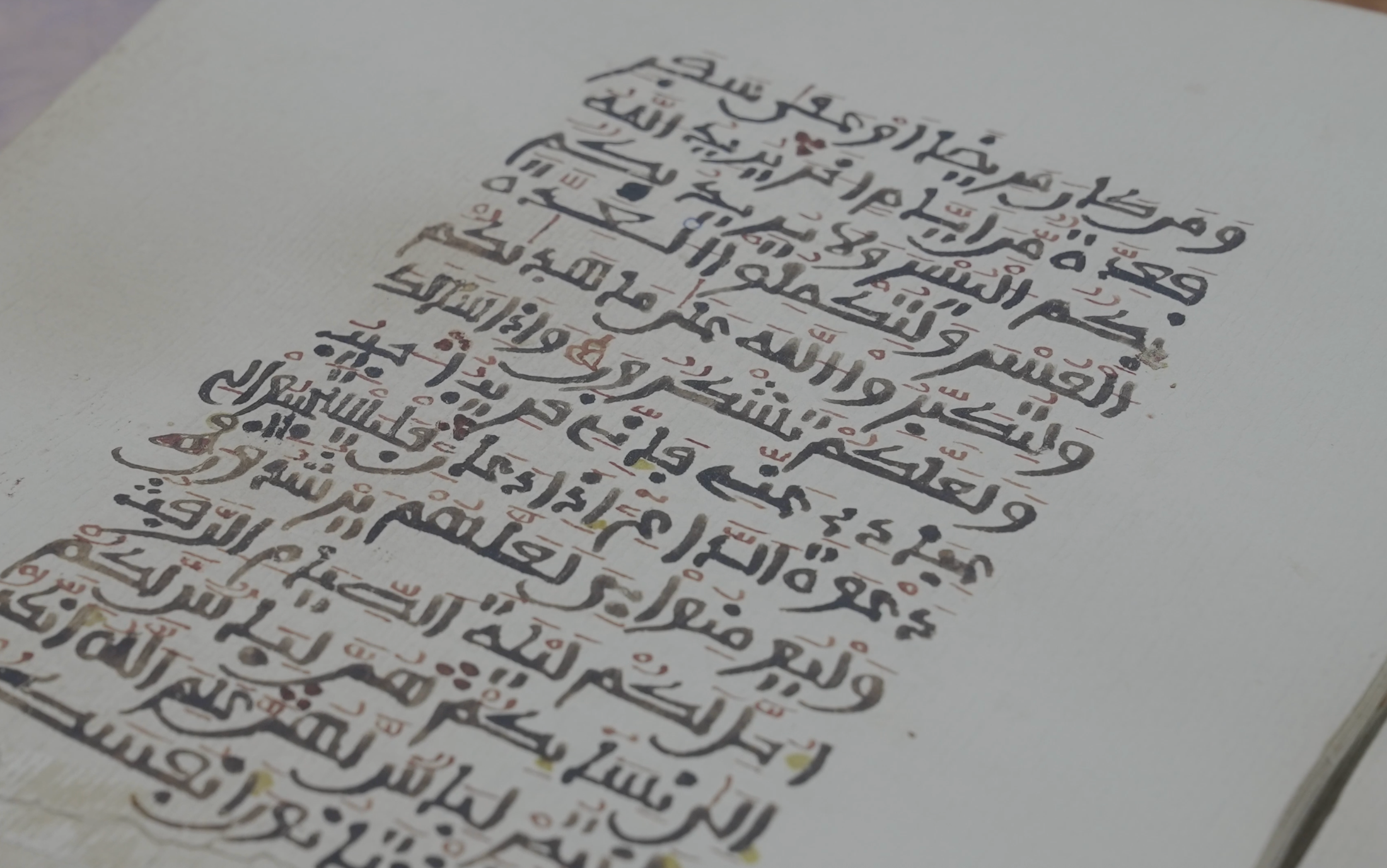
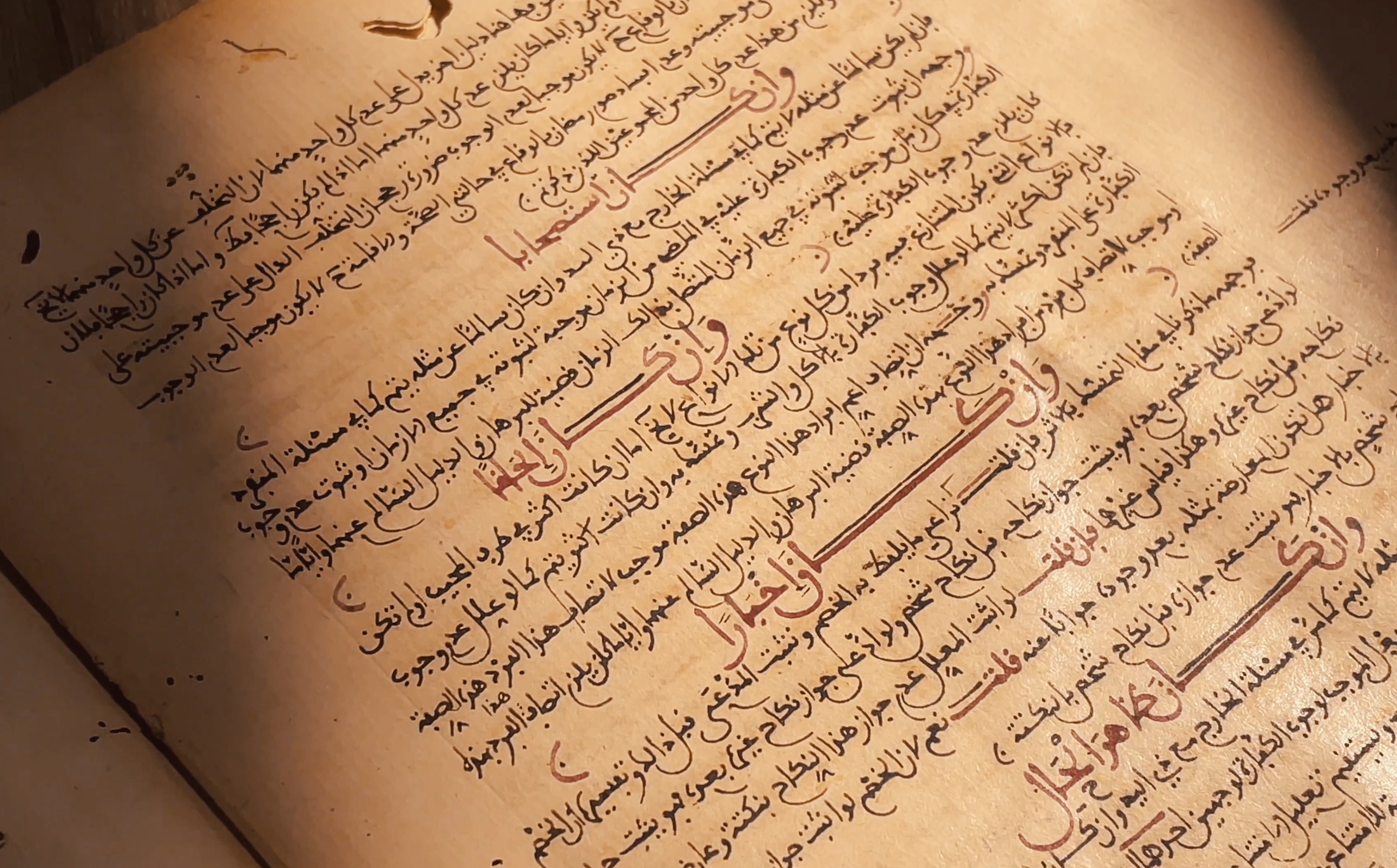
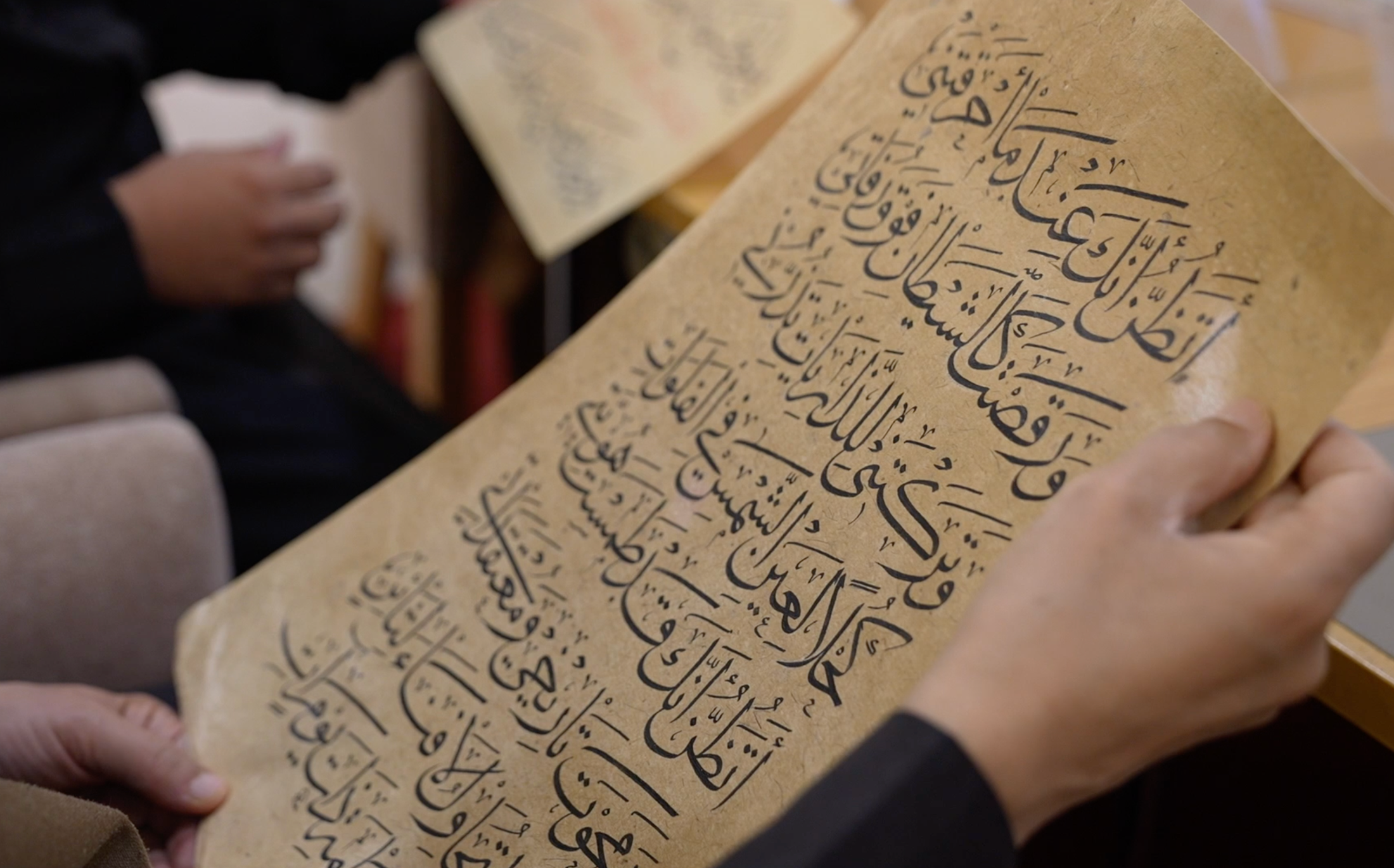
Arabic calligraphy is a refined visual art that combines the flexibility and strength of the letter, resembling music in its rhythmic waves and graceful flow. This art is based on precise rules of proportion and composition, expressing Islamic identity and spirit through the decoration of Qur’ans, mosques, and architecture. The beauty of Arabic letters lies in their flexibility, extension, and adaptability to various forms without compromising their structure, as well as in their rhythmic harmony and the exquisite balance between horizontal, vertical, and curved strokes. This is evident in several renowned styles such as Kufic, Thuluth, Tughra, and Diwani scripts.
In recognition of these artistic qualities, the library has organized a series of exhibitions highlighting the elegance of Arabic calligraphy and the Arabic language through various scripts. The "International Arabic Calligraphy Exhibition" featured a collection of over 200 books on the art and aesthetics of Arabic calligraphy, alongside diverse artworks created by some of the most distinguished calligraphers.
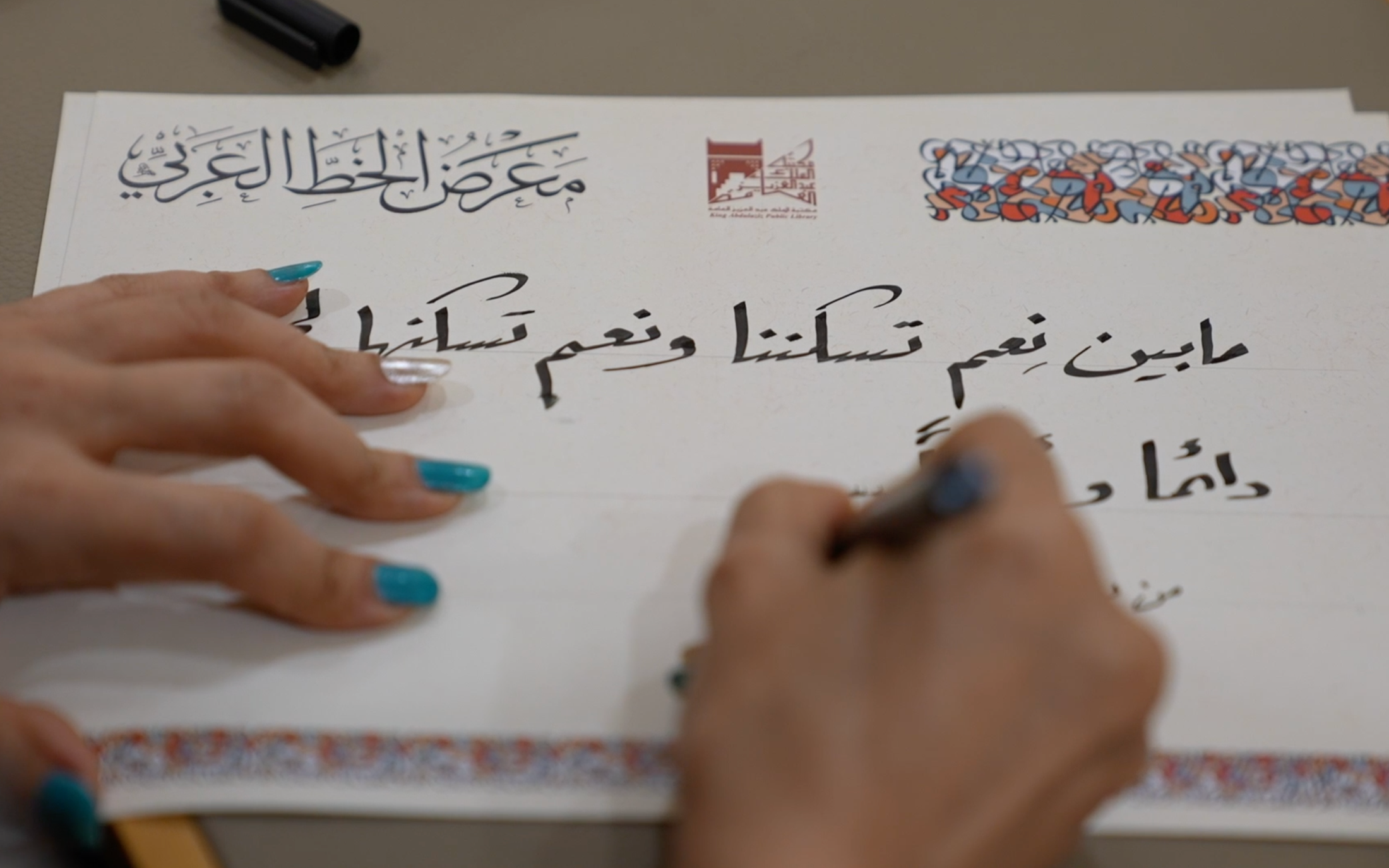
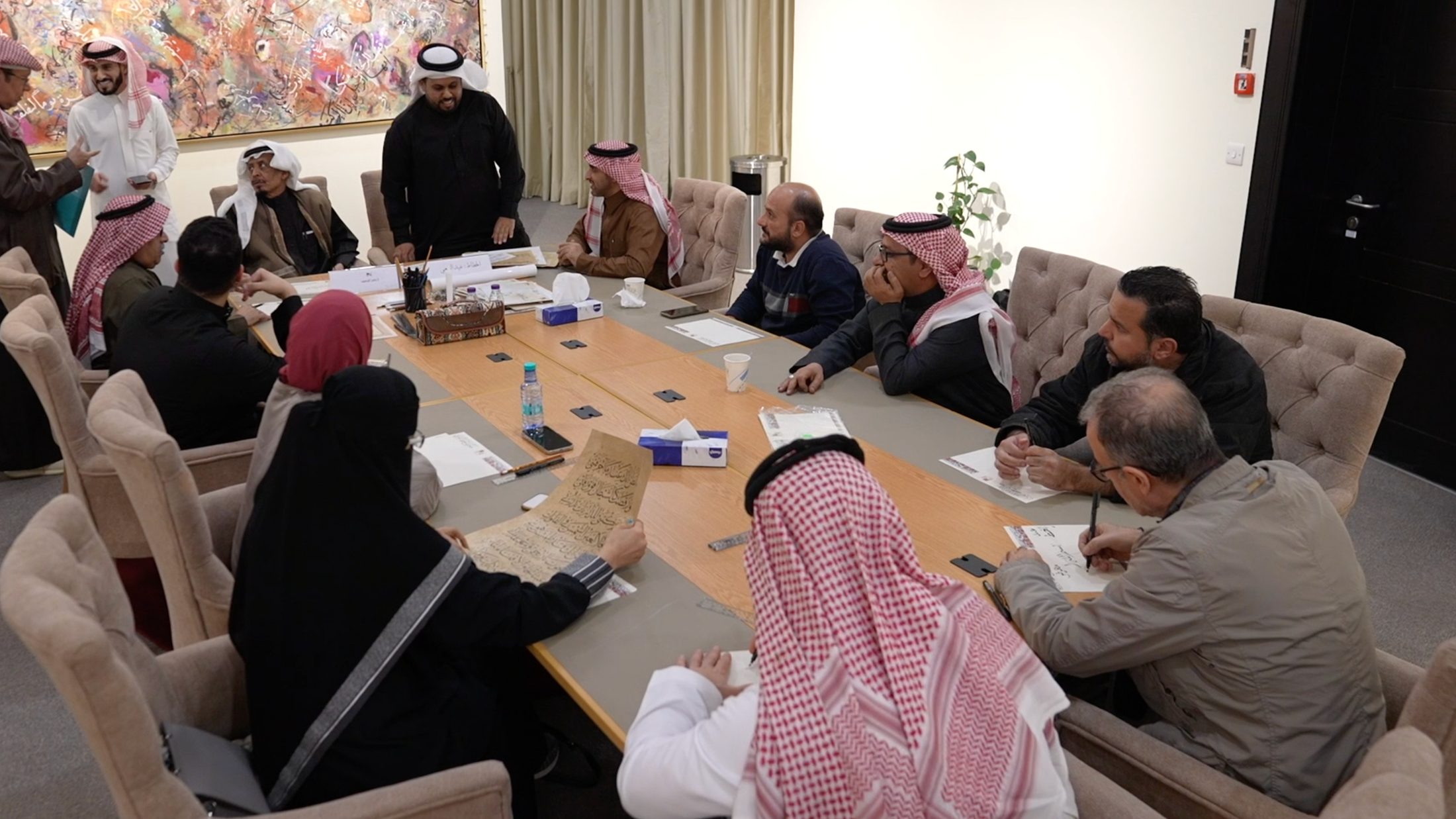
The library has also held 15 workshops for advanced practitioners, beginners, and young people, as well as an impromptu competition for children. A shop offering specialized Arabic calligraphy tools was also presented.
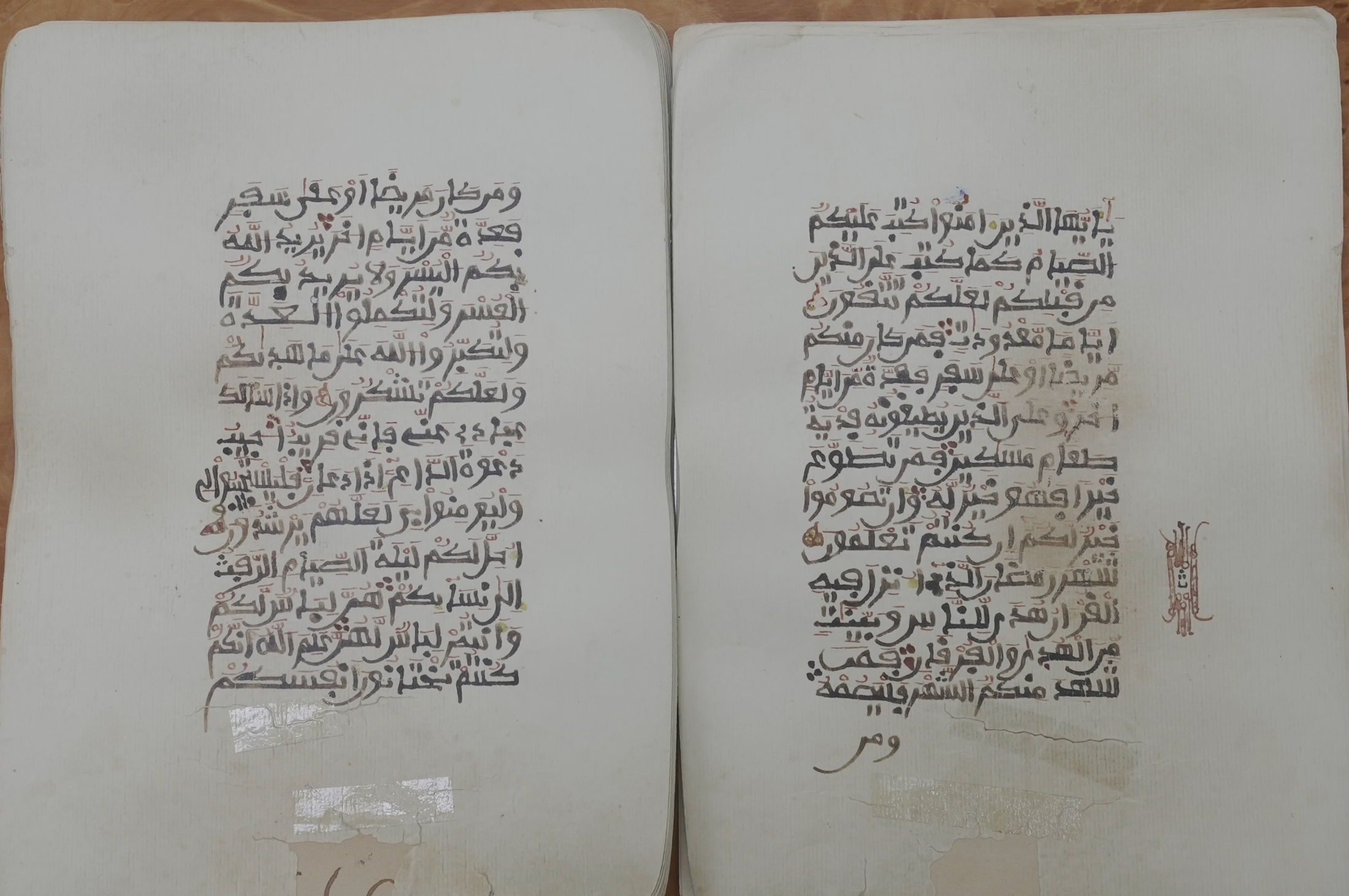
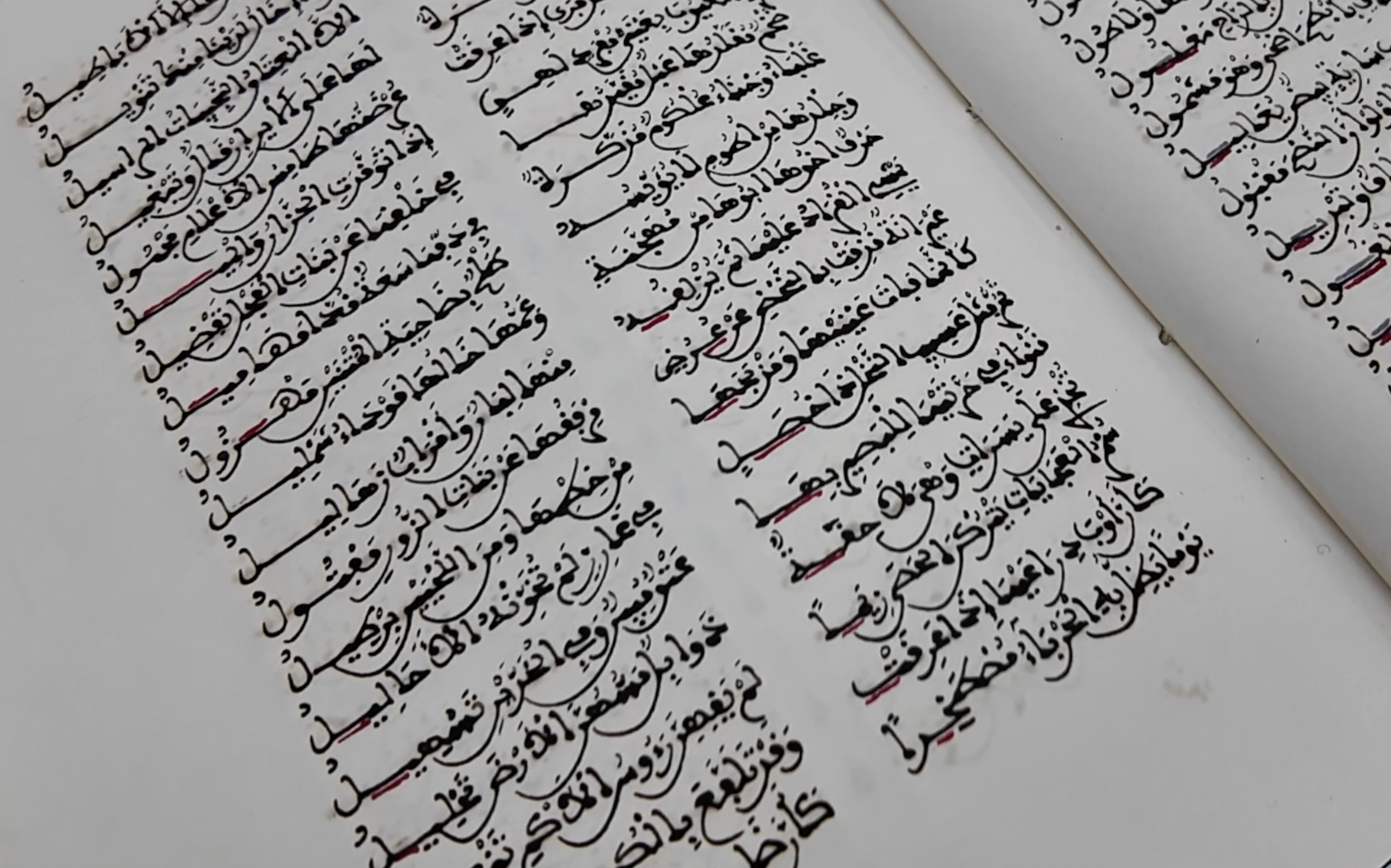
The library houses a significant collection of Qur’anic manuscripts in various scripts, many of them gilded and ornamented. It also holds more than 7,000 manuscripts showcasing the diversity and beauty of Arabic scripts in different sizes, forming a rich artistic heritage. Additionally, the library possesses Andalusian manuscripts and documents that reflect the unique calligraphic styles of Al-Andalus, and has published a book on the evolution of writing and script styles titled "The Civilization of Writing."
Spaces of letters:
The library has organized an exhibition of rare Qur’anic manuscripts written in various Arabic scripts, displaying selections from its collection of over 350 Qur’ans. These include gilded and decorated copies produced over the centuries, where scribes and artists demonstrated the values of Arabic calligraphy and Islamic decorative arts. The exhibition also showcased artistic techniques such as genealogical diagrams and marginal miniatures, as well as a variety of gilded and Islamic motifs used in copying Qur’anic chapters in styles like Naskh, Kufic, Thuluth, Timbuktu, Sudanese, and scripts from the Levant, Iraq, Egypt, and Yemen. These works represent the enduring legacy of Arabic writing and a vibrant facet of Islamic art, inspired by the verses of the Qur’an.
Other exhibitions included displays related to Hajj, featuring calligraphic artworks and manuscripts in various Arabic scripts, highlighting the decorative and artistic aspects of Arabic letters. A poetry exhibition presented manuscripts and illustrations of Arabic poetry verses adorned with diverse scripts such as Ruq’ah, Naskh, and Diwani. The library also hosted an exhibition of Arab and Islamic coins from different eras, showcasing the decorative use of Arabic calligraphy on currency.
King Abdulaziz Public Library owns 6,475 books as sources and references on Arabic calligraphy and its arts, available in its reading rooms for researchers and those interested in studying the history and aesthetics of Arabic script.