

First striped hyena birth recorded in NEOM reserve after reintroduction
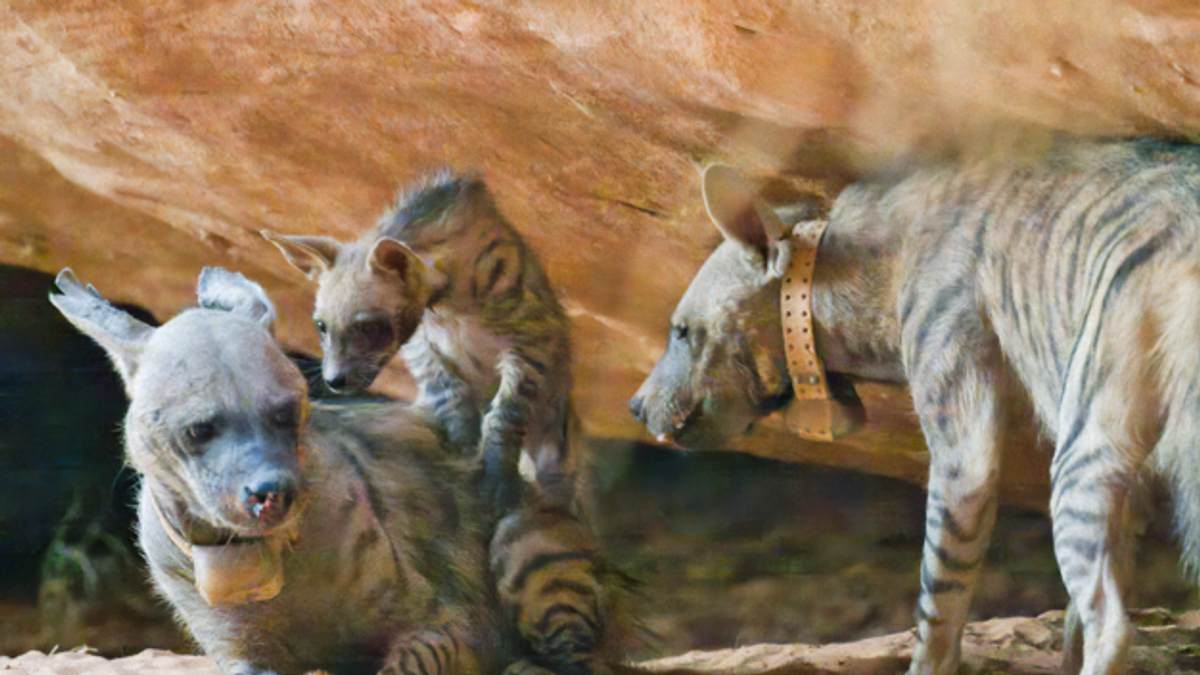
The National Center for Wildlife and NEOM have documented the first birth of a striped hyena in NEOM Nature Reserve, marking a milestone for the species’ reintroduction.
Key Takeaways
AIThe National Center for Wildlife, in collaboration with NEOM, has documented the first birth of a striped hyena following the reintroduction of four individuals into the NEOM Nature Reserve. This milestone indicates the animals’ successful adaptation to the reserve’s environment and their ability to breed in the wild. The initiative is part of the center’s broader programs to breed and reintroduce native species, including predators, and to restore their ecological roles.
Prior to release, a pair of striped hyenas was selected and underwent a rehabilitation and care program at the center’s shelter, which included veterinary checks, health monitoring, and preparation for transition to the wild. A specialized team from the center also conducted a field assessment of the reintroduction site to ensure its readiness and environmental suitability for the hyenas.
In November 2025, the hyenas were transferred to the NEOM Nature Reserve under the supervision of the center’s veterinary teams and released into designated areas within the reserve. Their progress has been monitored using tracking collars, field cameras, and on-site observation, alongside a carefully planned feeding program coordinated between the center and NEOM to encourage natural foraging behavior and support their adaptation after release.
Ongoing monitoring efforts recorded, for the first time in August 2026, a female hyena emerging from her den accompanied by her cub. The mother displayed normal nurturing and protective behaviors, while the cub was reported to be in good health. Specialist teams continue to monitor the cub’s condition and development.
Mohammed Ali Qurban, CEO of the National Center for Wildlife, stated that recording the first birth of a striped hyena after its reintroduction marks a significant milestone in the center’s breeding and reintroduction programs. He emphasized that this achievement reflects the comprehensive scientific approach, which begins with breeding and rehabilitation, extends to habitat assessment and site selection, and continues with post-release monitoring. Qurban noted that the collaboration with NEOM serves as a model for integrating major projects with species conservation, breeding, and reintroduction based on scientific principles.
He added that the center has achieved notable results in breeding striped hyenas under human care, with several cubs born at its breeding centers. He stressed that returning species to their natural habitats is a crucial step toward establishing stable, self-sustaining populations in the wild and restoring their ecological roles.
The striped hyena plays a vital ecological role by feeding on carrion and animal remains. However, its numbers have declined in some areas due to threats such as hunting and poisoning. The center continues to implement breeding and reintroduction programs for native species, following scientific methodologies that include rehabilitation, veterinary care, habitat assessment, and post-release monitoring. These efforts, carried out in partnership with environmental stakeholders and major projects, contribute to the recovery of native species and the sustainability of biodiversity in the Kingdom.