

Imam Turki Reserve reports hatching of seven red-necked ostrich chicks
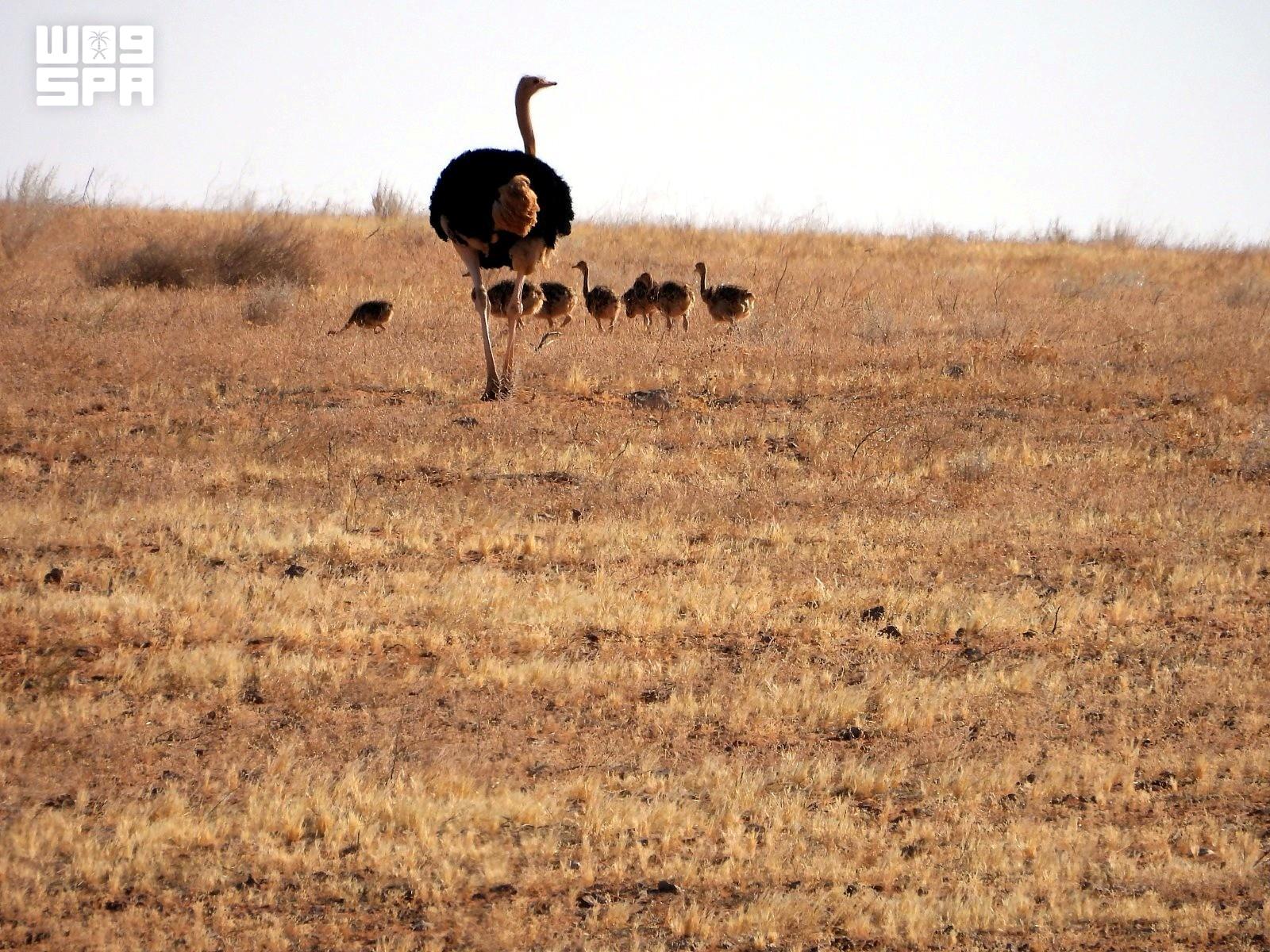
Seven red-necked ostrich chicks hatched in Imam Turki bin Abdullah Royal Reserve in Q2 2026, marking progress in species reintroduction efforts.
Key Takeaways
AIThe Imam Turki bin Abdullah Royal Reserve Development Authority has reported the hatching of seven red-necked ostrich chicks during the second quarter of 2026, highlighting the success of its reintroduction program and the species’ ability to adapt and breed in its natural habitat.
The authority stated that this achievement marks progress in efforts to restore a native species that historically inhabited the reserve, helping to increase its population and support the stability and reproduction of its groups in the wild.
Signs of successful reintroduction
Program officials explained that the natural breeding of the red-necked ostrich is a key indicator of the reintroduction program’s advancement, as the species has moved from the release and adaptation phase to forming groups capable of completing their life cycle and reproducing in the wild.
This development reflects the suitability of the reserve’s natural habitats and the effectiveness of protection and field monitoring efforts, which support population growth, wider distribution, and a stronger presence of the ostrich within the local ecosystem.
An integrated approach to species reintroduction
The authority follows a comprehensive approach to reintroducing native species, including habitat assessment, preparation and protection, selection of suitable release sites, and ongoing field monitoring. This also involves tracking the species’ movement, adaptation, breeding, and spread.
This approach aims to provide scientific and field-based indicators to measure and improve the success of reintroduction programs, helping to establish stable, self-sustaining populations in their natural habitats in line with sustainable principles.
Supporting biodiversity and sustainability
The return and breeding of the red-necked ostrich is one of several initiatives by the authority to restore wildlife by reintroducing species to their original ranges, growing their populations, and preparing supportive environments. These efforts enhance biodiversity, restore natural balance, and stabilize ecosystems.
In this context, the authority continues to implement programs to protect wildlife, reintroduce species, and conserve habitats as part of an integrated system aimed at sustaining natural resources and improving management efficiency, in line with Saudi Vision 2030 and national environmental sustainability goals.