
Cabinet approves General Authority for Roads, issues 11 new decisions
King Salman praises Saudi, Turkish, and Pakistani leaders after the Makkah Summit and highlights the importance of defense partnership and regional cooperation.
Key Takeaways
AI
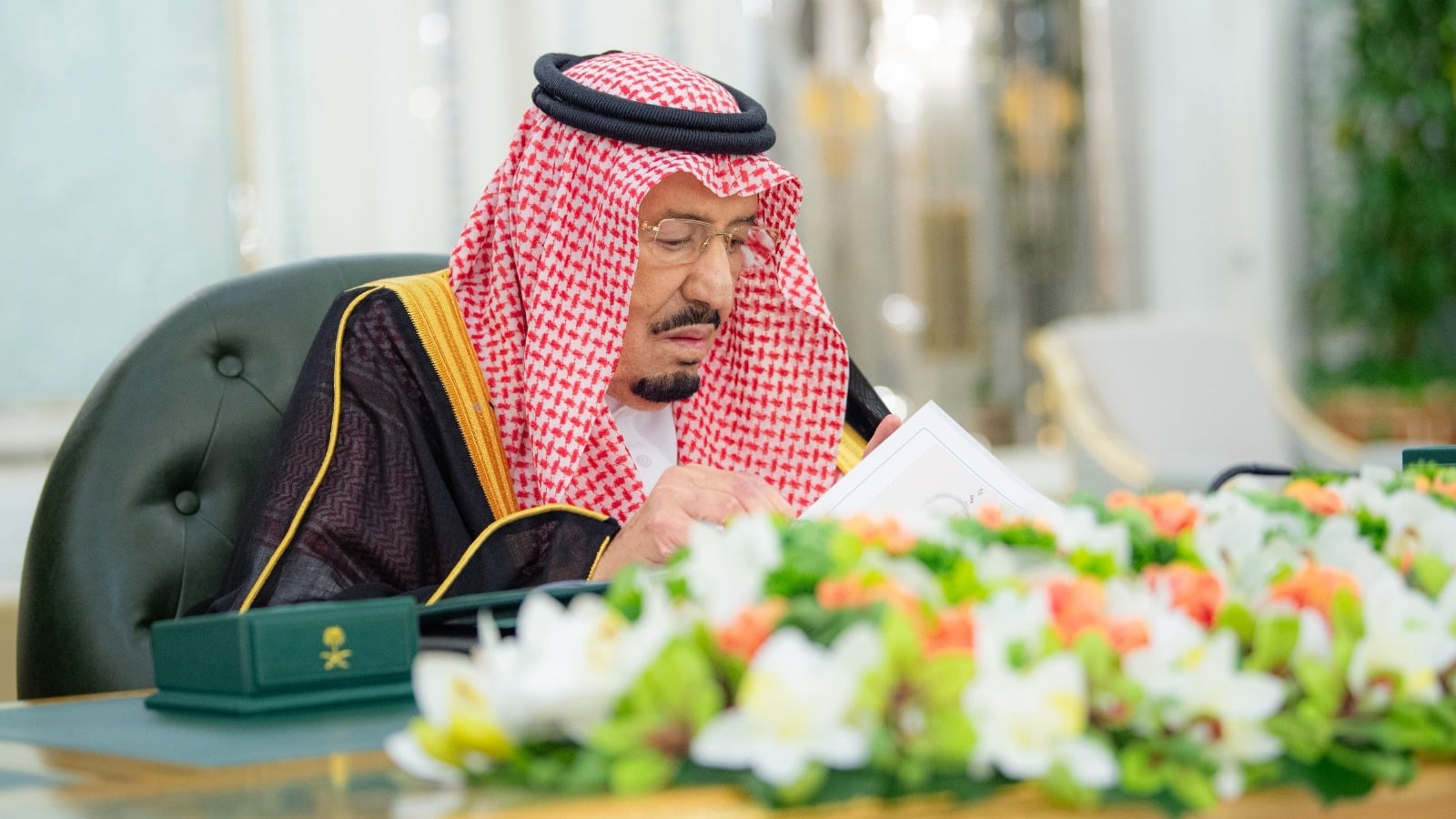
King Salman bin Abdulaziz chaired the Cabinet session held today in Jeddah.
At the start of the meeting, King Salman expressed his gratitude to Crown Prince Mohammed bin Salman, Turkish President Recep Tayyip Erdogan, and Pakistani Prime Minister Muhammad Shehbaz Sharif for their efforts at the 'Makkah Joint Defense Summit.' He emphasized the deep-rooted historical ties among the three nations, their ongoing commitment to strengthening Islamic solidarity, and advancing shared strategic interests.
King Salman praised the summit's outcomes, which established a long-term defense partnership framework expected to enhance cooperation, coordination, and integration between Saudi Arabia, Turkey, and Pakistan. He highlighted the continued efforts to address regional challenges and safeguard international security and stability, supporting the aspirations of people in the region and worldwide for a more prosperous future.
The Cabinet reviewed a message received by King Salman from Zimbabwean President Emmerson Mnangagwa, as well as phone calls between Crown Prince Mohammed bin Salman and French President Emmanuel Macron and Ukrainian President Volodymyr Zelensky.
Acting Minister of Media and Minister of Education Yousef bin Abdullah Al-Benyan stated to the Saudi Press Agency that the Cabinet discussed regional and international developments and Saudi Arabia's efforts to promote calm, diplomatic solutions, respect for sovereignty, and the security of key waterways, including the Strait of Hormuz and Bab Al-Mandab, as vital to global economic stability.
The Cabinet welcomed the UN Security Council statement condemning Houthi militia attacks and criminal acts threatening regional security and maritime navigation. The Cabinet reaffirmed Saudi Arabia's right to defend its security and resources, its steadfast support for Yemen's legitimate government, and backing for UN efforts to achieve peace and stability in Yemen.
The Cabinet highlighted steps taken at the ministerial meeting in Amman to support Jerusalem and its holy sites, reiterating its rejection of any attempts to alter the legal or historical status of Jerusalem or undermine its identity. The Cabinet called on the international community to halt Israeli violations in Gaza and the West Bank, protect holy sites, and support the resilience of the Palestinian people.
The Cabinet noted that Riyadh's hosting of the fourth UNESCO Global Forum on the Ethics of Artificial Intelligence in September reflects Saudi Arabia's leading role in global dialogue on emerging technologies and its commitment to the responsible and ethical use of AI for a more inclusive and sustainable digital future.
The Cabinet considered Saudi Arabia's successful hosting of the International Nuclear Science Olympiad and the top achievements of Saudi students as evidence of the Kingdom's global leadership in scientific events and its ongoing support for talented and creative youth, in line with Vision 2030 goals.
The Cabinet reviewed its agenda, including items studied jointly with the Shoura Council, and reports from the Political and Security Affairs Council, Economic and Development Affairs Council, the General Committee, and the Bureau of Experts. The Cabinet issued the following decisions:
First:
Approval of the United Nations Convention on the Use of Electronic Communications in International Contracts.
Second:
Authorizing the Minister of Health, or a delegate, to discuss and sign a draft memorandum of understanding with Mozambique's Ministry of Health for cooperation in health fields.
Third:
Authorizing the President of the General Auditing Bureau, or a delegate, to discuss and sign a draft memorandum of understanding with Uzbekistan's Accounts Chamber for cooperation in auditing and professional work.
Fourth:
Approval of a memorandum of understanding for cooperation in logistics services between the Saudi Ministry of Transport and Logistics Services and Morocco's Ministry of Transport and Logistics.
Fifth:
Approval of a cooperation memorandum between the Saudi Space Agency and Japan's Cabinet Office, Ministry of Education, Culture, Sports, Science and Technology, and Ministry of Economy, Trade and Industry for the peaceful use of outer space.
Sixth:
Approval of a memorandum of understanding between the Saudi Food and Drug Authority and Thailand's Central Islamic Council for cooperation in halal fields.
Seventh:
Approval of the organizational structure for the General Authority for Roads.
Eighth:
Authorizing the Saudi Central Board for Accreditation of Healthcare Institutions to provide accreditation services to healthcare facilities outside the Kingdom, in accordance with regulations set by the Saudi Health Council.
Ninth:
Abolishing the Jazan Mountain Region Development Authority and transferring its responsibilities to the Strategic Office for Jazan Region Development and the Ministry of Environment, Water and Agriculture.
Tenth:
Approval of the final accounts for the development authorities of Makkah and Madinah, the General Authority for Media Regulation, and the Education and Training Evaluation Commission for a previous fiscal year.
Eleventh:
Issuing necessary directives regarding several items on the Cabinet agenda, including annual reports from Jeddah and Hafar Al-Batin universities and the Financial Academy.