

GCC chief highlights regional cooperation as key to growth
Jasem Albudaiwi says regional collaboration can turn strategic advantages into investment opportunities for shared prosperity.
Key Takeaways
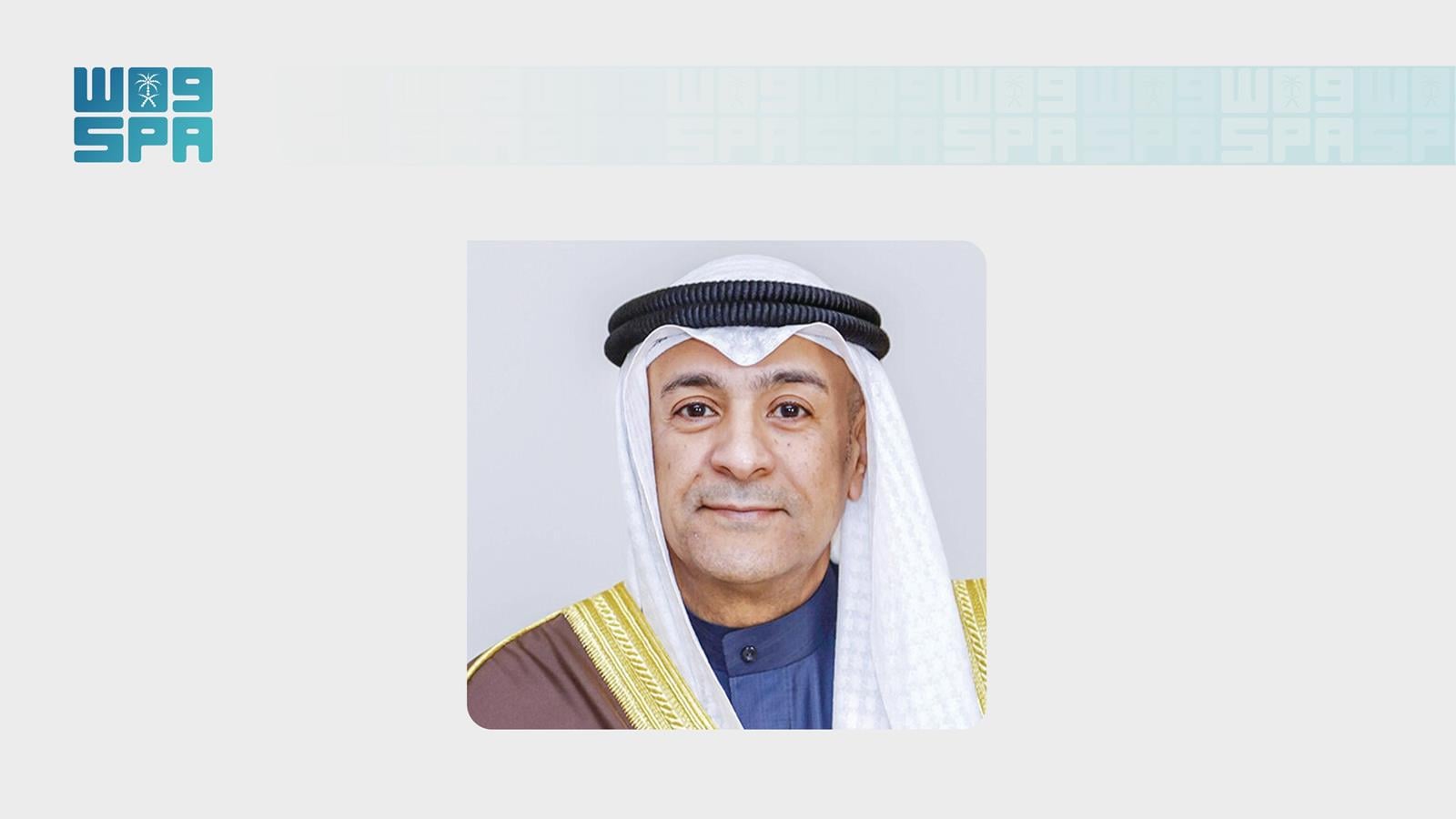
AIJasem Mohammed Albudaiwi, Secretary-General of the Gulf Cooperation Council, emphasized that strengthening regional integration in energy, trade, transport, and the digital economy is vital for supporting growth, boosting economic resilience, and opening new investment horizons—contributing to shared prosperity for the region’s people and future generations.
Albudaiwi made these remarks during his participation in the seminar "Regional Convergence for Energy, Trade, and Connectivity," organized by the GCC Secretariat in cooperation with the United Nations Development Programme (UNDP) on the sidelines of the 81st session of the UN General Assembly in New York.
He explained that rapid changes in trade routes, energy systems, and technology are reshaping economic interconnections, noting that investments are increasingly flowing to regions offering greater opportunity, flexibility, and stability. He added that these shifts present both challenges and opportunities for GCC states.
Albudaiwi pointed out that the Gulf region sits at a major crossroads for global trade, energy, and investment flows, but geographic location alone is not enough to ensure prosperity. He stressed that linking markets, infrastructure, and capabilities, alongside enhanced regional cooperation, can transform strategic advantages into tangible opportunities that benefit the people.
Practical models and priorities for the next phase
The Secretary-General highlighted successful GCC initiatives, such as the Gulf electricity interconnection project, which has demonstrated the ability of regional cooperation to enhance resilience and deliver clear economic and strategic benefits. He underlined that regional initiatives should be based on national priorities and the interests of participating countries.
Albudaiwi stated that the next phase requires focus on three main tracks: developing a structured process for a clear roadmap based on national priorities; identifying areas, corridors, and investment opportunities in energy, trade, transport, and digital connectivity; and expanding the network of partners to include governments, financial institutions, sovereign investors, and the private sector, while leveraging the UNDP’s role in supporting these partnerships.
He stressed the importance of ensuring these efforts are grounded in national ownership, voluntary participation, and mutual benefit, making use of existing initiatives, avoiding duplication, and focusing on areas capable of delivering measurable, tangible results.
Albudaiwi concluded by affirming that the true value of the initiative lies in achieving stronger economic integration across the region, new investment opportunities, and projects that support growth and resilience. He noted that the region’s resources, strategic location, institutions, and ambition position it to advance toward sustainable growth and shared prosperity for future generations.