
Gulf education bureau and OECD discuss ways to boost learning outcomes in Riyadh
A high-level regional dialogue in Riyadh explored strategies to improve student learning outcomes in the Gulf and MENA, drawing on PISA 2025 findings.
Key Takeaways
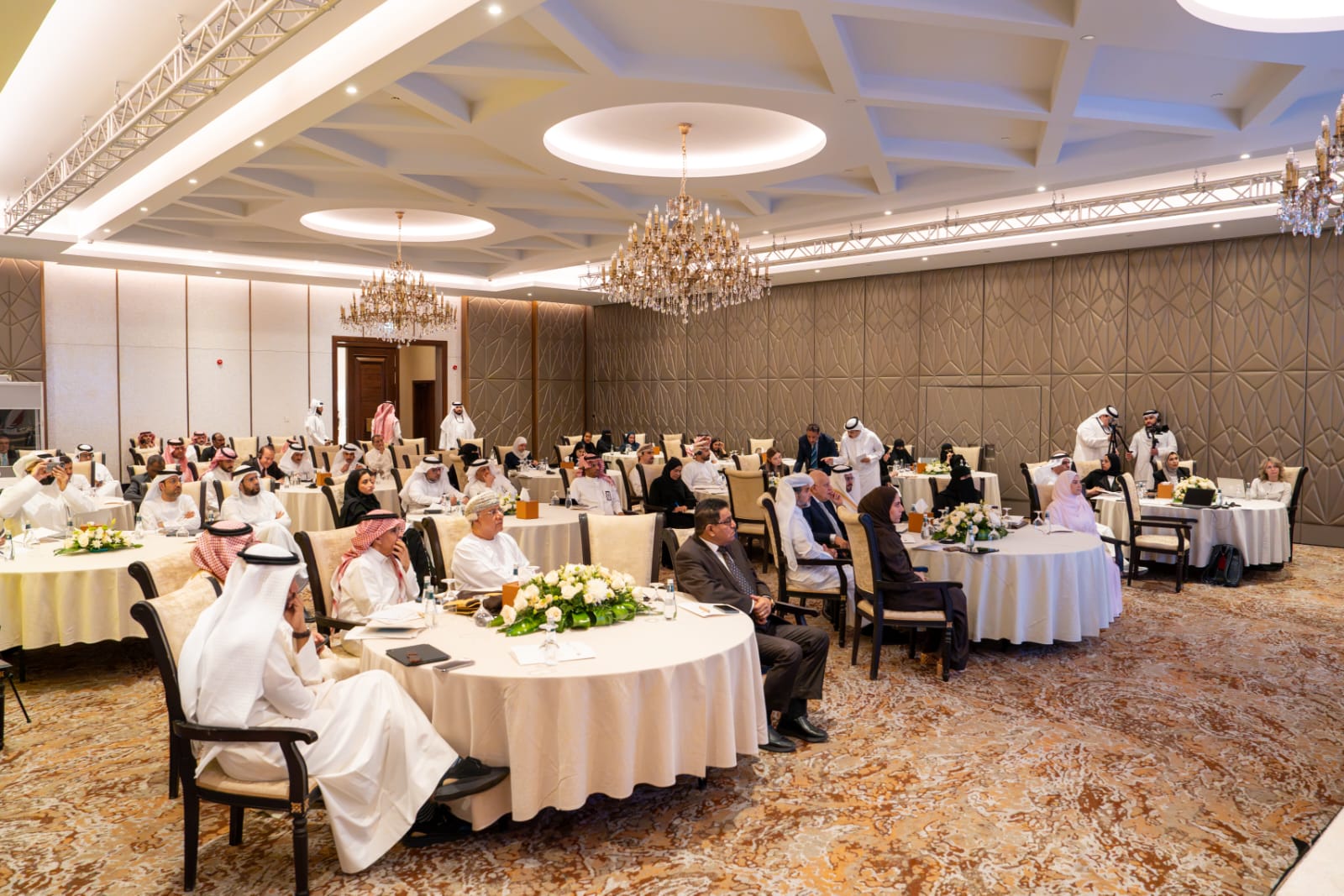
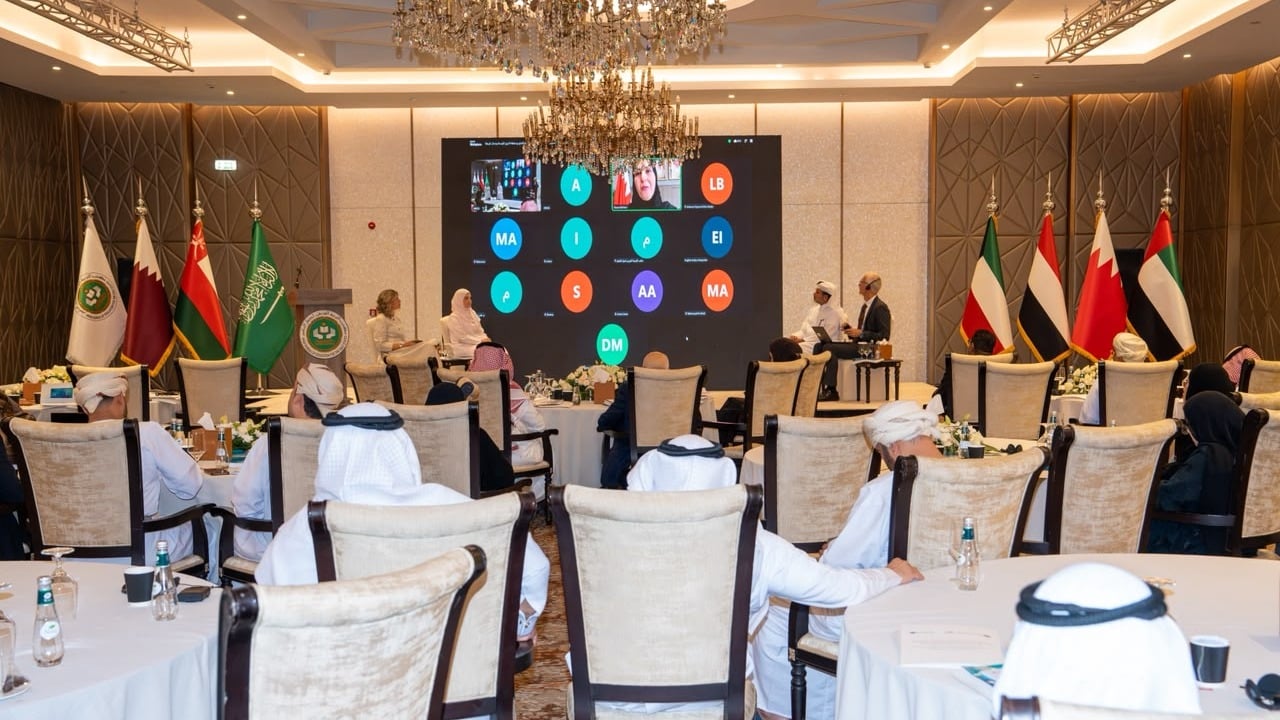
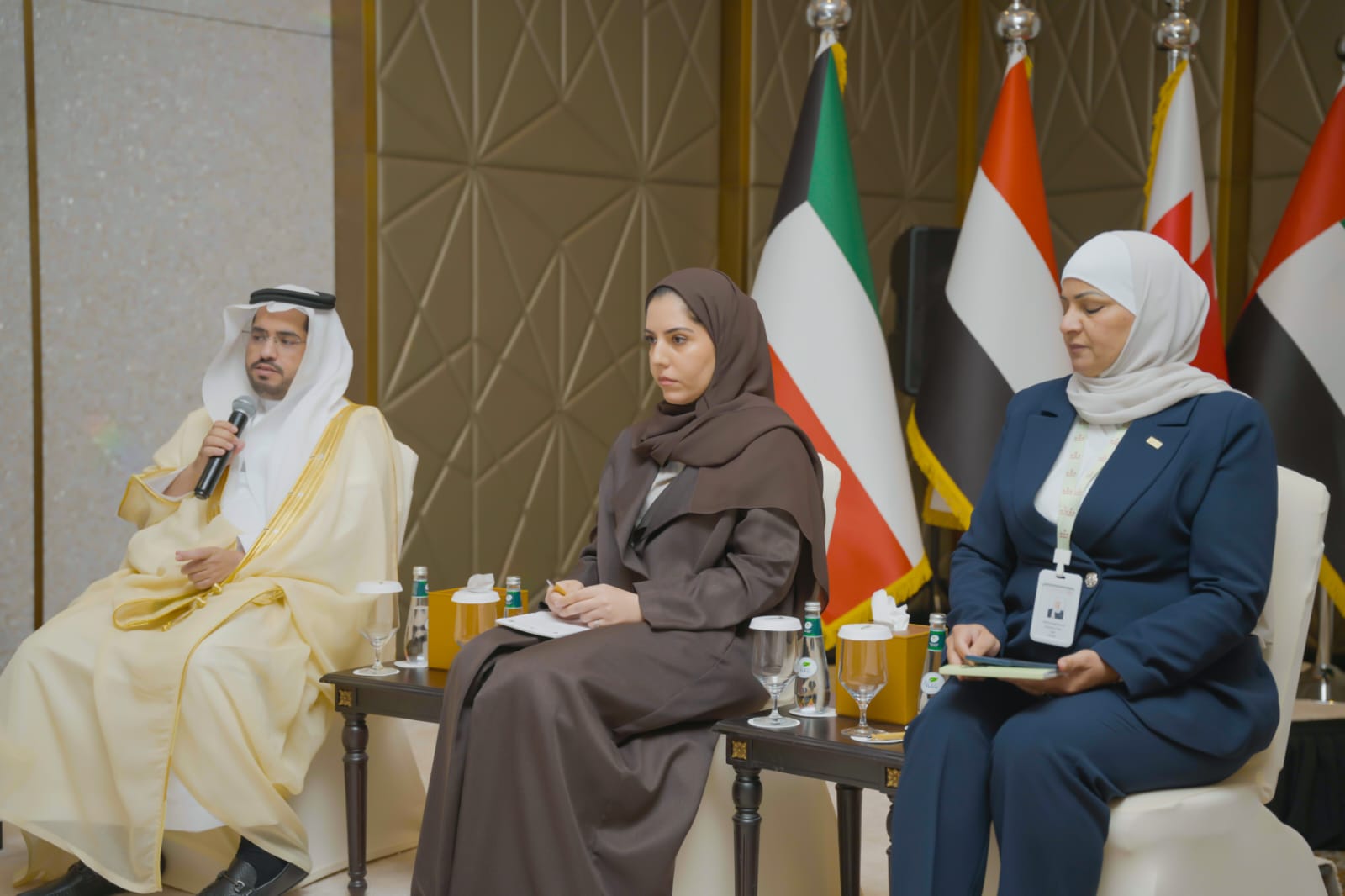
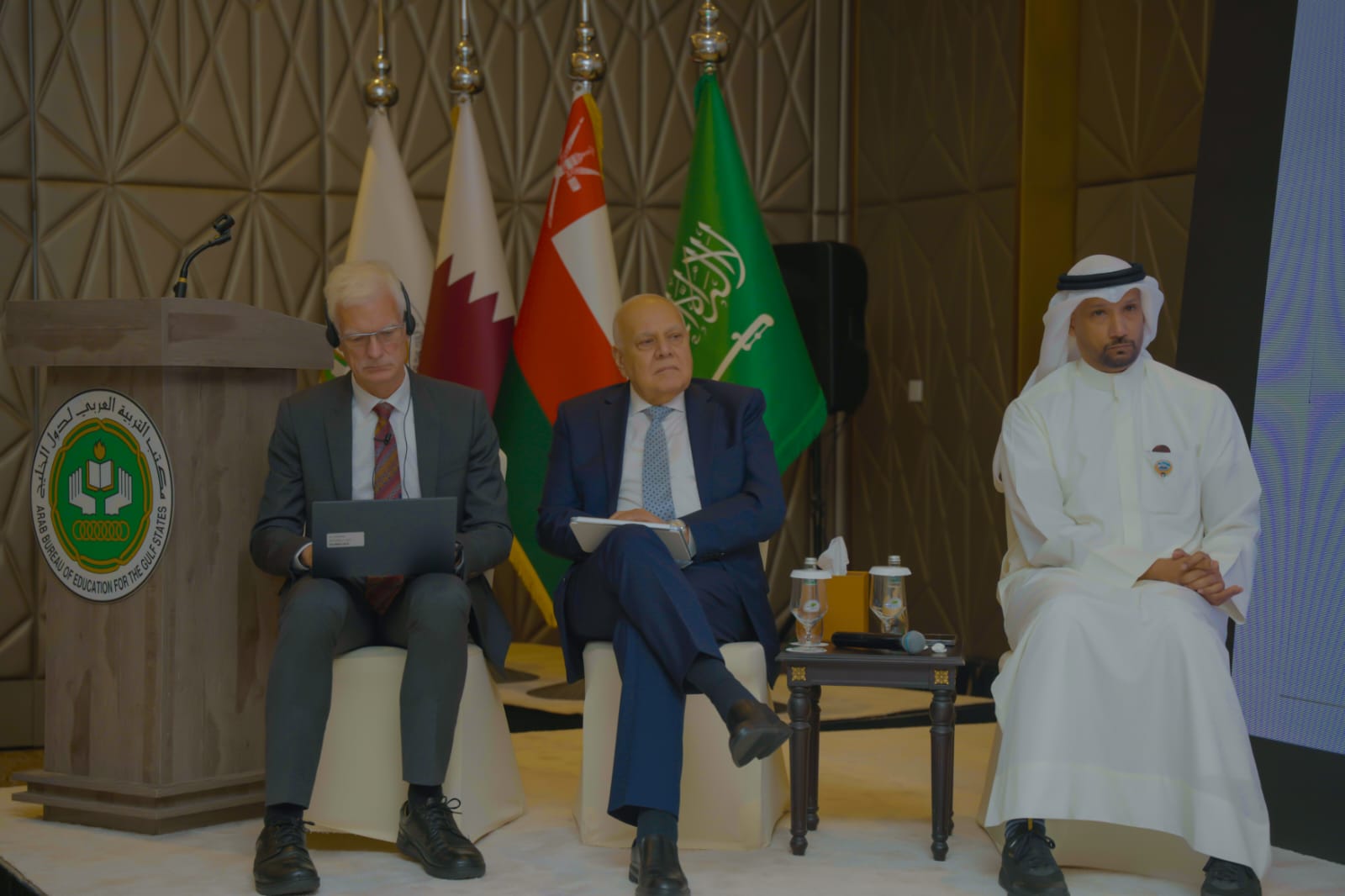
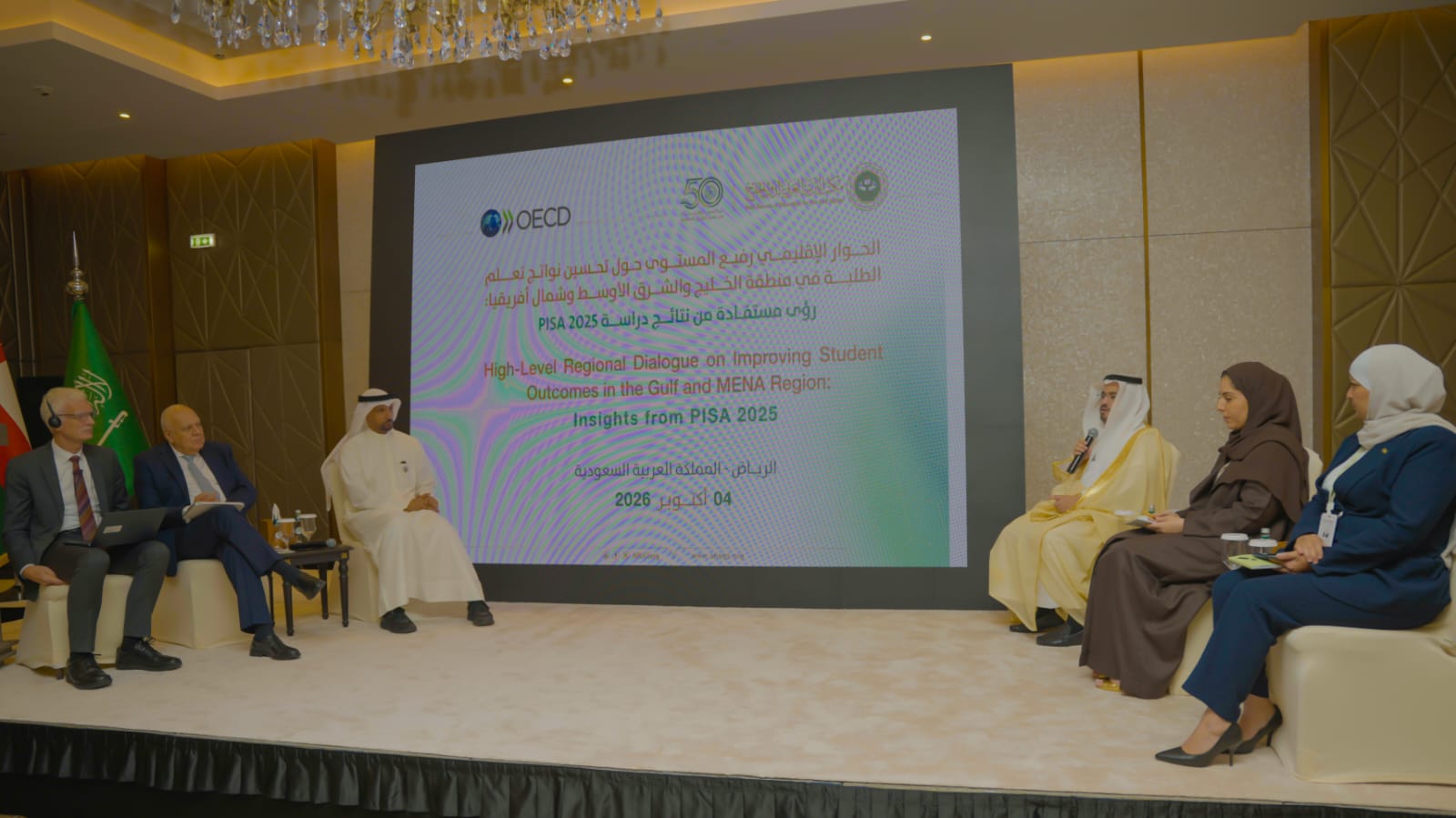
AIThe Arab Bureau of Education for the Gulf States, in collaboration with the Organisation for Economic Co-operation and Development (OECD), held a high-level regional dialogue in Riyadh on Sunday, October 4, 2026. The event focused on improving student learning outcomes in the Gulf, Middle East, and North Africa, drawing on insights from the PISA 2025 study. The dialogue brought together education leaders, policymakers, academics, experts, and representatives from regional and international organizations.
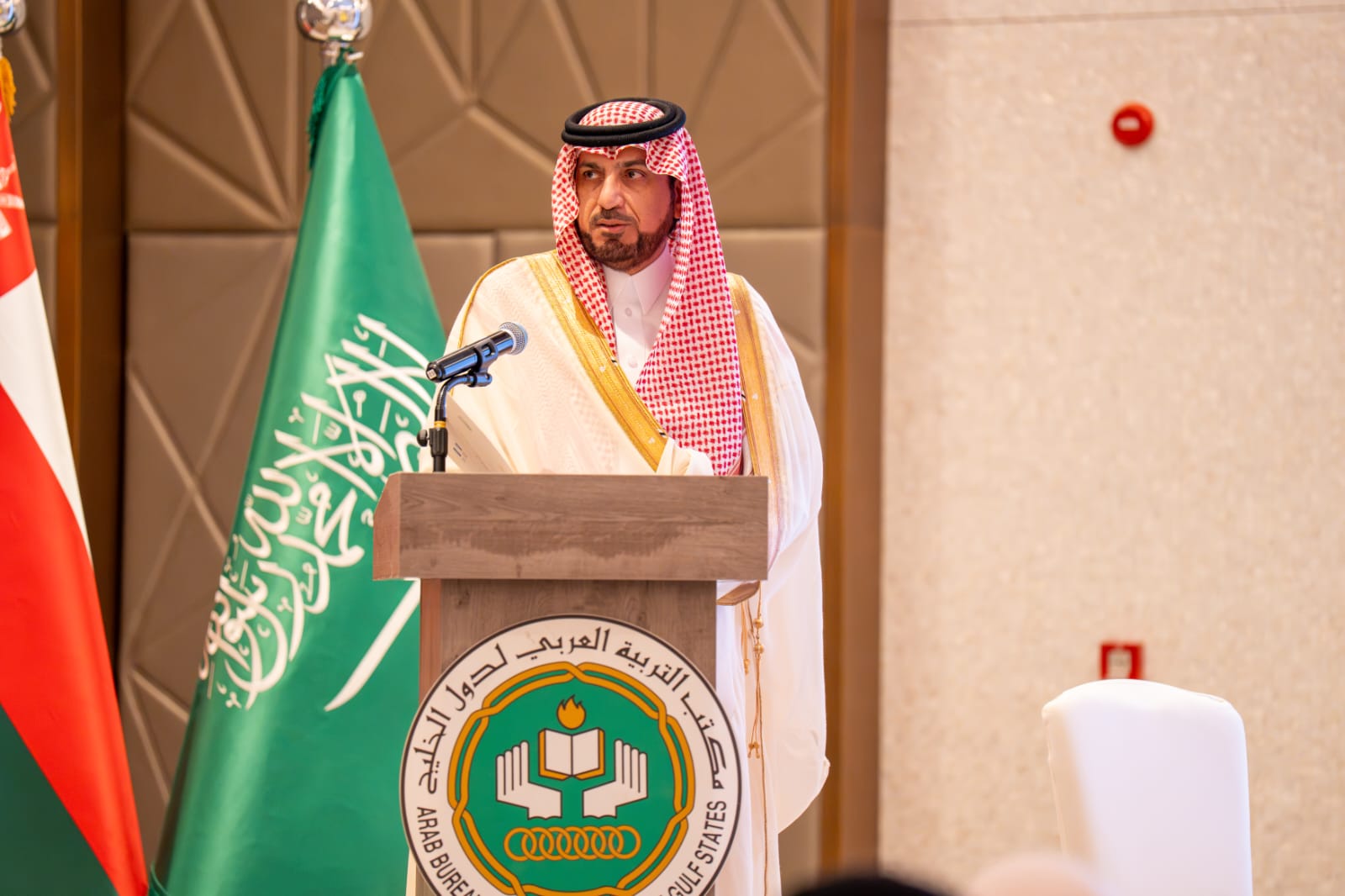
Mohammed bin Saud Al-Muqbil, Director General of the Arab Bureau of Education for the Gulf States, opened the event by highlighting the importance of international studies and assessments as knowledge tools that help understand the current state of education and identify areas for development. He stressed that the true value of such studies lies not only in their data and indicators, but in how their results are used to improve educational policies and practices, enhance learning quality, develop schools and teachers, and support students in realizing their potential. Al-Muqbil added that improving learning outcomes is not a response to a single result or indicator, but rather a continuous process involving integrated policies, curricula, the roles of teachers and school leaders, assessment methods, learning environments, families, and communities.
Al-Muqbil also emphasized the importance of coordinated efforts among education ministries, evaluation and assessment bodies, educational institutions, universities, research centers, experts, and practitioners. He underlined that advancing learning outcomes is a shared responsibility, based on ongoing dialogue, evidence-based approaches, and translating knowledge into actionable, measurable, and improvable policies and practices. He noted that regional cooperation, knowledge exchange, and strengthened partnerships with regional and international organizations are key to supporting member states' efforts to improve education and learning.
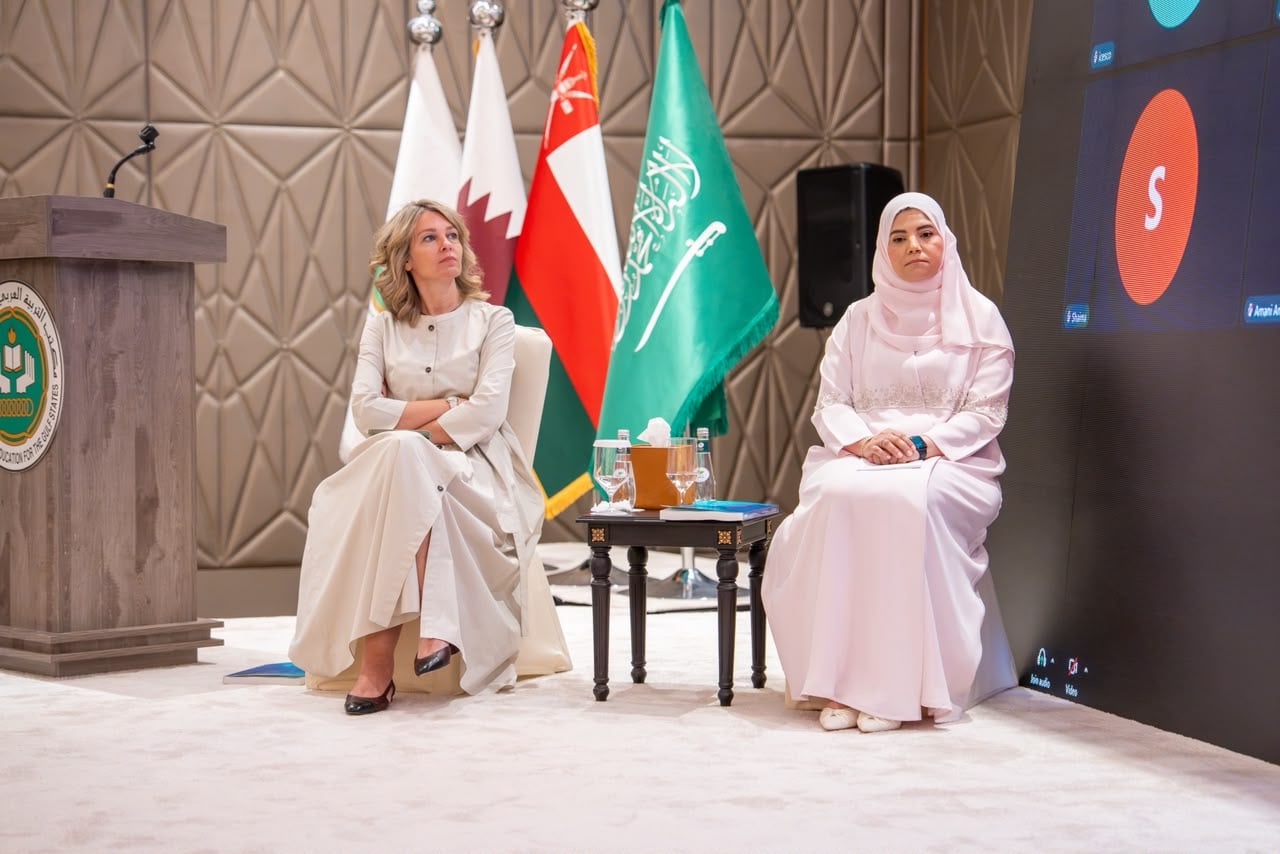
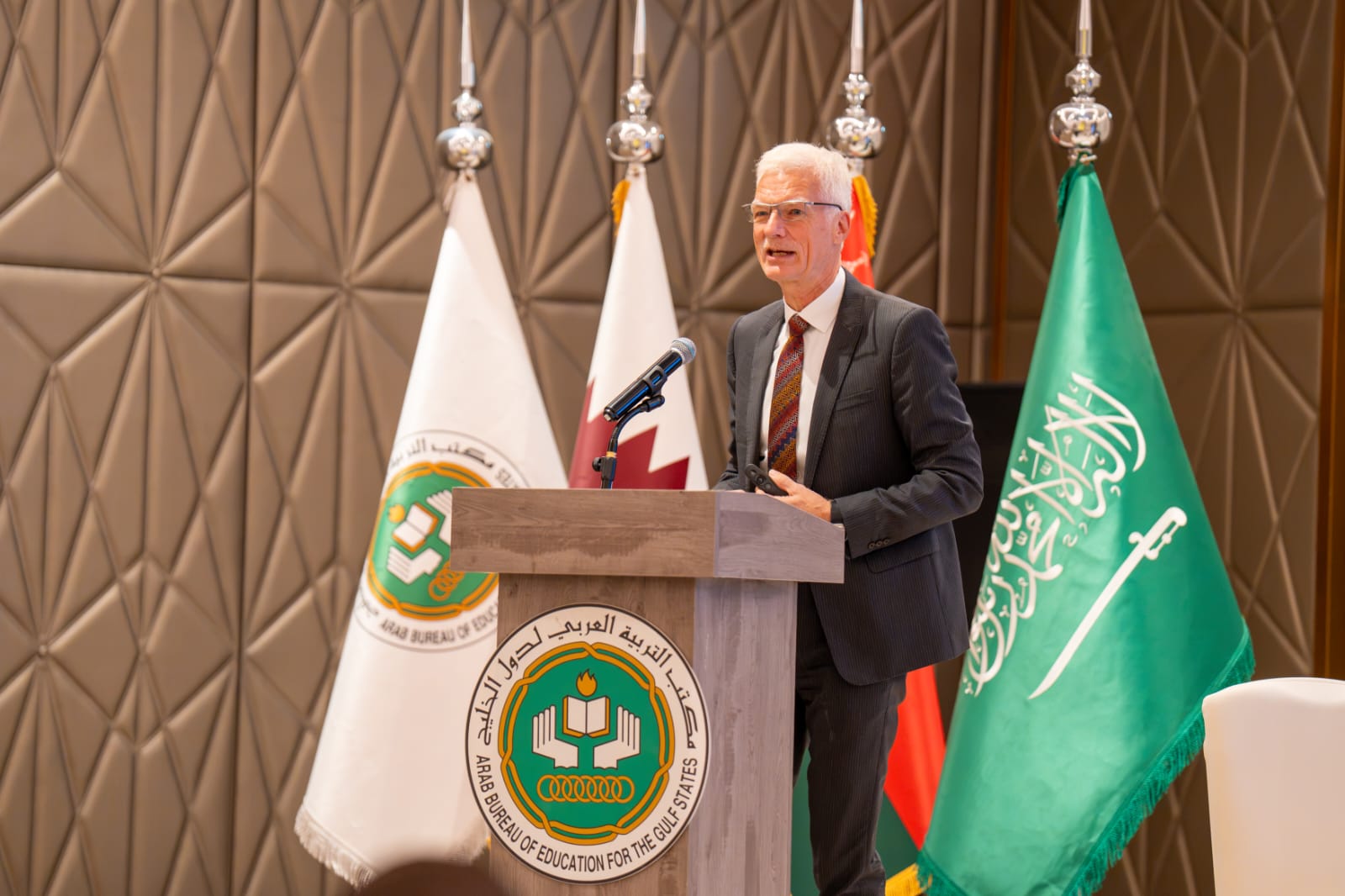
The dialogue featured Andreas Schleicher, Director for Education and Skills at the OECD, who presented key findings from the PISA 2025 study and discussed how its indicators and insights can inform the development of educational policies and practices. The program included a review of the study's main results in the Gulf, Middle East, and North Africa, and examined their implications for student learning and future readiness.
Participants discussed scientific thinking and science education, examining what PISA 2025 results reveal about student performance and attitudes in this area, and their impact on curricula and teaching methods. The sessions also addressed digital learning and artificial intelligence, including students' use of digital technologies, their relationship to academic performance and learning outcomes, and the policies and practices governing their use in educational environments.
The program also saw the launch of the Arabic edition of the OECD report "Digital Education Outlook 2026," aimed at making international knowledge and expertise more accessible in Arabic and supporting policymakers, leaders, and researchers in keeping pace with rapid changes in digital education and artificial intelligence.
The dialogue concluded with several key recommendations, including making greater use of PISA 2025 results and international evidence to support the development of educational policies and practices; placing more emphasis on advancing science education and scientific thinking to prepare students for future demands; promoting the effective and responsible use of digital technologies and artificial intelligence in education; and expanding knowledge exchange, mutual learning, and regional cooperation to support efforts to improve learning outcomes across the region.