

Makkah Joint Defense Pact: Saudi Arabia reshapes regional security
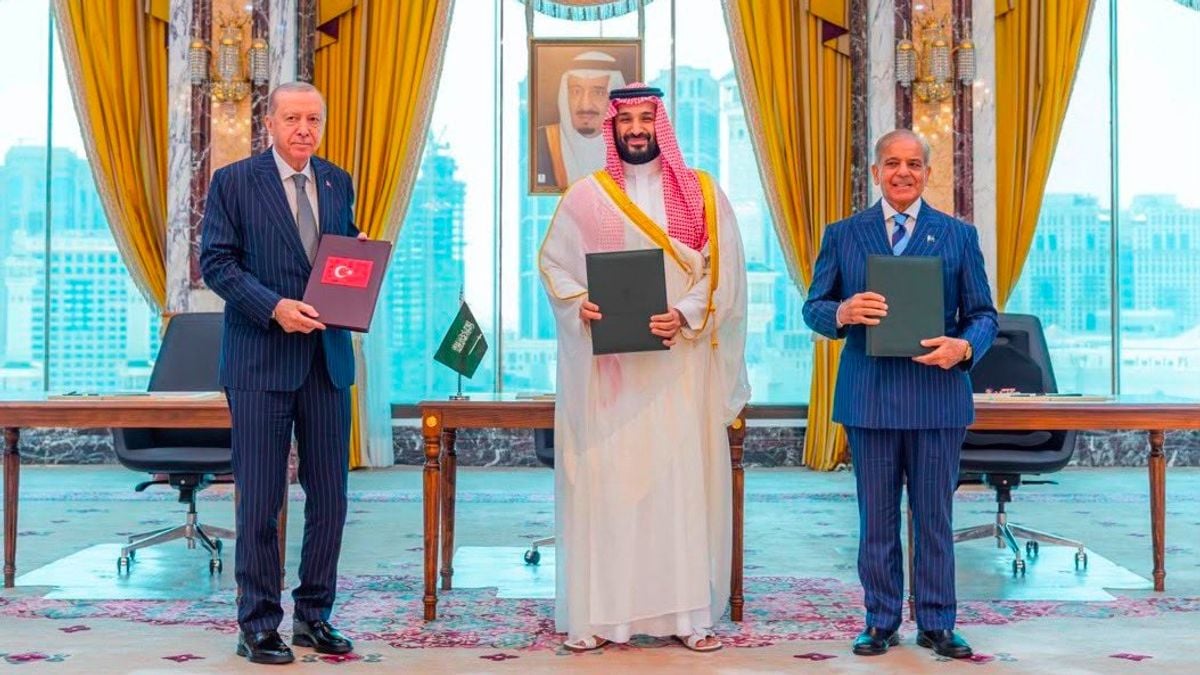
Saudi Arabia cements its pivotal role in regional security with the Makkah Joint Defense Agreement alongside Pakistan and Turkey.
Key Takeaways
AIAt a critical regional moment marked by rapid change and shifting security and alliance calculations, Saudi Arabia continues to assert itself as a pivotal state—one that not only responds to developments, but actively shapes new pathways to safeguard security and stability. The Makkah Joint Defense Agreement is a continuation of this approach, representing a step with political and security implications that extend beyond its signatories.
The agreement, which brings together Saudi Arabia, the Islamic Republic of Pakistan, and the Republic of Turkey, ushers in a new era of defense cooperation among three countries with significant political, military, and economic weight. It comes at a time when the region faces accelerating challenges, making it essential to strengthen partnerships and build deterrence systems capable of protecting nations and their interests.
Makkah: A message beyond the signing location
Naming the agreement after Makkah carries special significance. As the custodian of the Two Holy Mosques, Saudi Arabia exercises its political role from a position of responsibility and influence in the Arab and Islamic worlds, working to build relationships and partnerships that contribute to security and stability.
This move cannot be separated from Saudi Arabia’s growing presence in international and regional affairs. In recent years, Riyadh has demonstrated its ability to balance ambitious domestic development with an active foreign policy, forging balanced relations with global powers while maintaining independence and protecting national interests.
Leadership driving transformation
These initiatives come under the leadership of King Salman bin Abdulaziz Al Saud and the guidance of Crown Prince and Prime Minister Mohammed bin Salman. Saudi Arabia has become a major player in the fields of economy, energy, investment, politics, security, and defense.
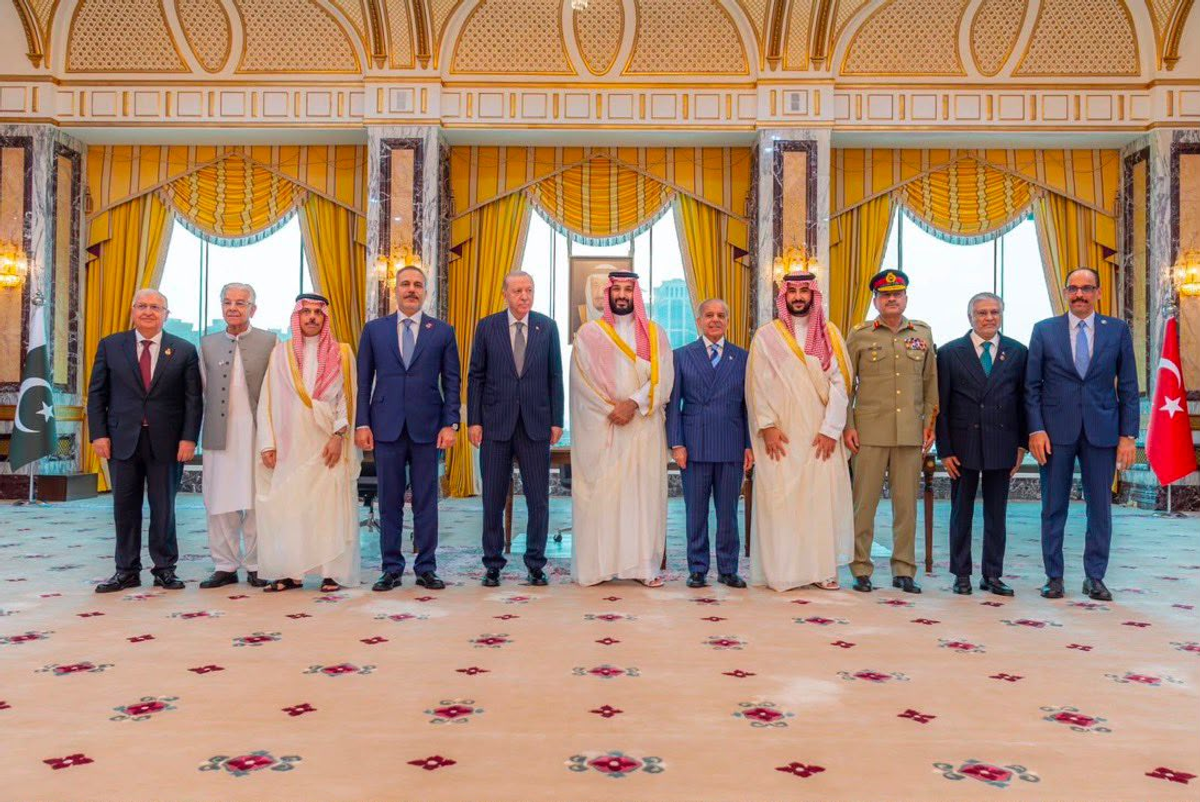
The vision of the Crown Prince, architect of Saudi Vision 2030, is evident in this context. He has expanded the concept of Saudi strength, advancing economic development alongside building national capabilities. Saudi diplomacy is active, forging diverse strategic partnerships, and Riyadh has become a key hub for regional and international issues.
From the Riyadh Agreement to the Makkah Pact
This step builds on previous efforts. In September 2025, Saudi Arabia and Pakistan signed the Joint Strategic Defense Agreement, rooted in a longstanding partnership between the two countries. The agreement aimed to enhance defense cooperation and joint deterrence, stipulating that any attack on one country would be considered an attack on both.
Now, expanding defense cooperation to include a regional power like Turkey broadens the scope. Saudi Arabia, Pakistan, and Turkey each possess unique strengths, and their combined capabilities within a defense framework increase the agreement’s significance and impact on regional calculations.
Saudi Arabia: Building strength and partnerships
Saudi Arabia’s current trajectory shows that Vision 2030 is not merely an economic and development project, but a comprehensive path that has strengthened national power and the Kingdom’s ability to build partnerships aligned with its interests.
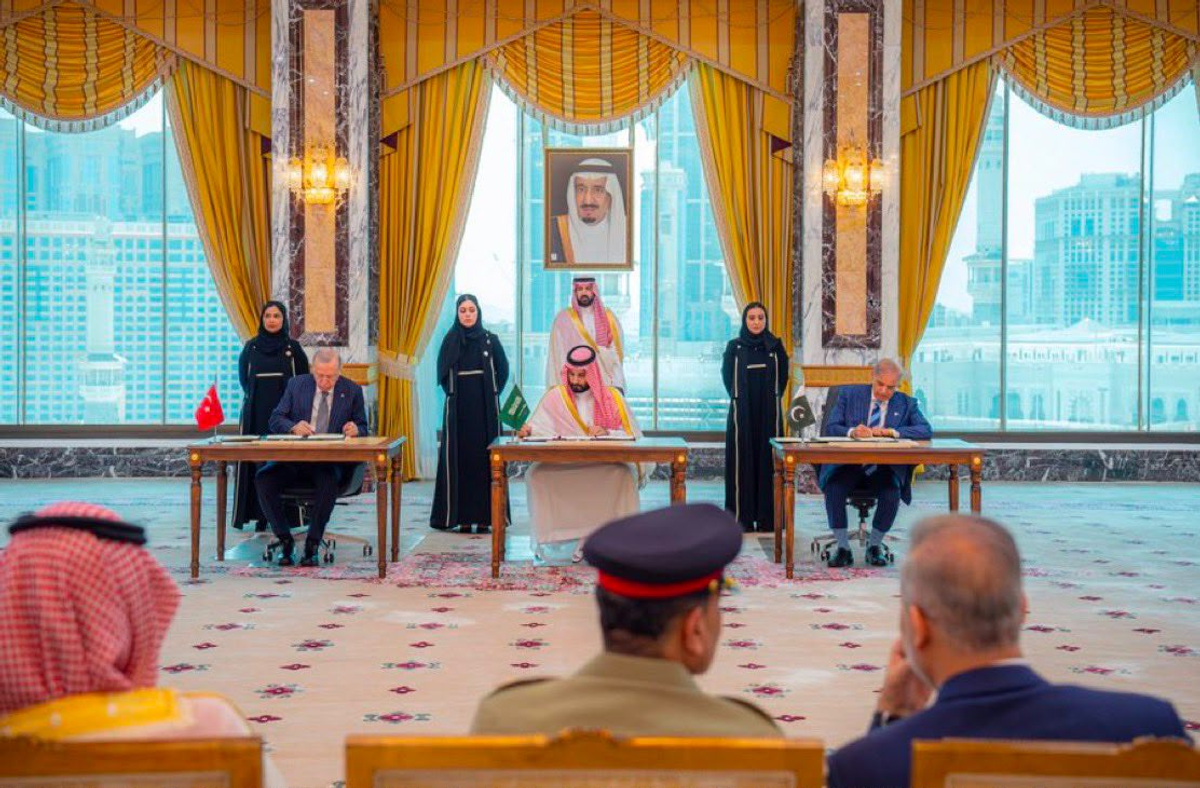
From the economy, investment, energy, technology, and tourism to politics, defense, and international engagement, Saudi Arabia is advancing steadily. The Kingdom’s ambitions go beyond domestic achievements, aiming to secure a global position that reflects its weight and capabilities.
The Makkah Joint Defense Agreement adds a new chapter to this growing role, signaling that under the leadership of the King and Crown Prince, Saudi Arabia is moving forward with a clear vision toward greater strength and influence. The Kingdom is an international partner that initiates, builds alliances, and places its security, stability, and interests at the forefront of its priorities.