

GCC secretary-general: Gulf-India ties gaining momentum
GCC Secretary-General Jasem Albudaiwi says relations with India are strengthening, driven by mutual commitment to cooperation and regional stability.
Key Takeaways
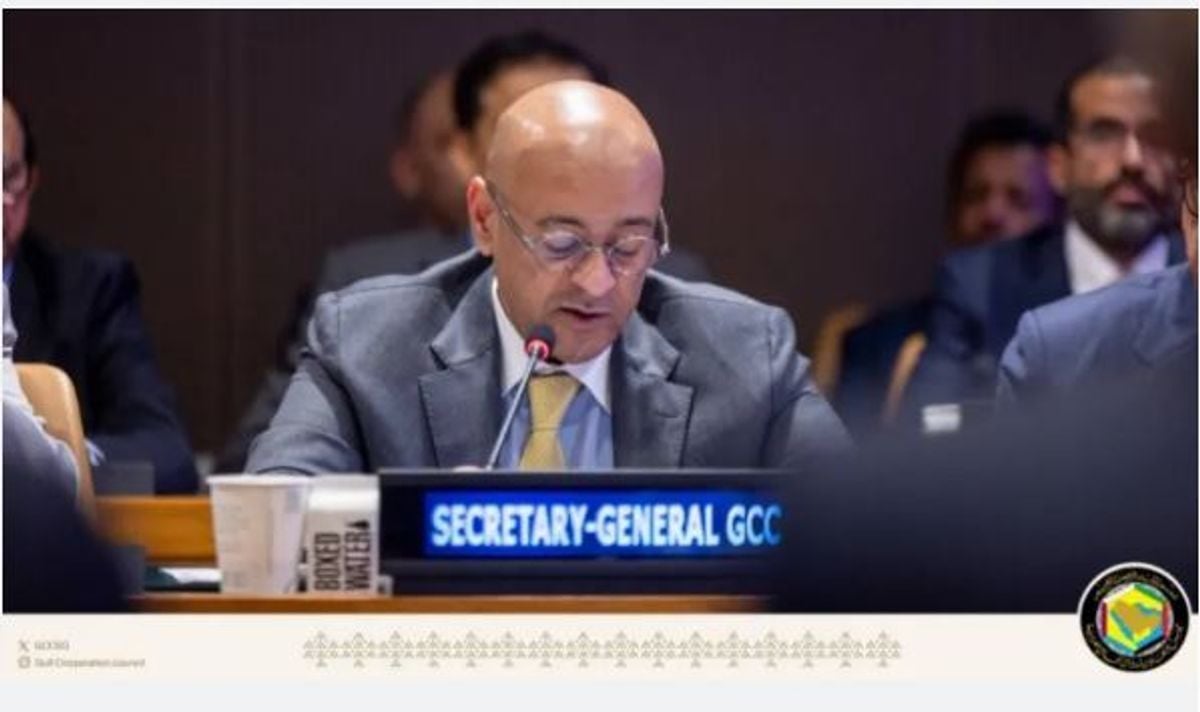
AIJasem Mohammed Albudaiwi, Secretary-General of the Gulf Cooperation Council, said that relations between GCC member states and India are gaining significant momentum, fueled by a shared commitment to enhancing cooperation and partnership in ways that serve mutual interests and contribute to security, stability, and prosperity in the region.
Albudaiwi made his remarks during the second joint ministerial meeting between the GCC and India, co-chaired by Bahrain’s Minister of Foreign Affairs, Dr. Abdullatif bin Rashid Al Zayani, who currently presides over the GCC session, and India’s Minister of External Affairs, Dr. Subrahmanyam Jaishankar. The meeting, attended by GCC foreign ministers, was held on the sidelines of the 81st session of the United Nations General Assembly in New York, USA.
The secretary-general noted that both sides are committed to continuing the implementation of the joint action plan adopted in 2024, building on the outcomes of technical meetings held in various fields, and translating agreements into practical and tangible programs and initiatives.
He pointed out that the launch of free trade agreement negotiations between the GCC and India marks an important step toward expanding economic and investment cooperation. He stressed the importance of strengthening collaboration in energy, technology, innovation, digital transformation, industry, agriculture, and services, as well as providing more opportunities for the private sector, encouraging mutual investments, and boosting engagement between business communities on both sides.
Albudaiwi also emphasized the need to continue Gulf-India coordination in combating terrorism and extremism, addressing conflicts and humanitarian crises, exchanging expertise and information, and aligning positions in international forums to support global peace and security and promote political and diplomatic solutions. He also highlighted the importance of developing cooperation in culture, academia, scientific research, technology, and innovation.
On regional issues, the secretary-general referred to Iranian attacks on GCC states since February 28, 2026, despite the GCC not being a party to the conflict. He said the disruption of navigation in the Strait of Hormuz demonstrated the direct link between the security of regional maritime routes and global energy and supply chain security. He called for Iran’s full compliance with UN Security Council Resolution 2817 and for navigation in the Strait of Hormuz and Bab Al-Mandab to return to pre-February 28, 2026 conditions.
Albudaiwi praised India’s stance in rejecting Iranian attacks on GCC states and its support for international efforts to ensure maritime security and reopen the Strait of Hormuz. He stressed the importance of continued consultation between the two sides on energy and maritime security.
In closing, the secretary-general expressed hope that the meeting would further strengthen strategic dialogue between the GCC and India, build on past achievements, and explore new areas for cooperation, commending India’s commitment to advancing relations with the GCC.