

Endangered hawksbill turtles nest on Four Sisters Islands in Red Sea
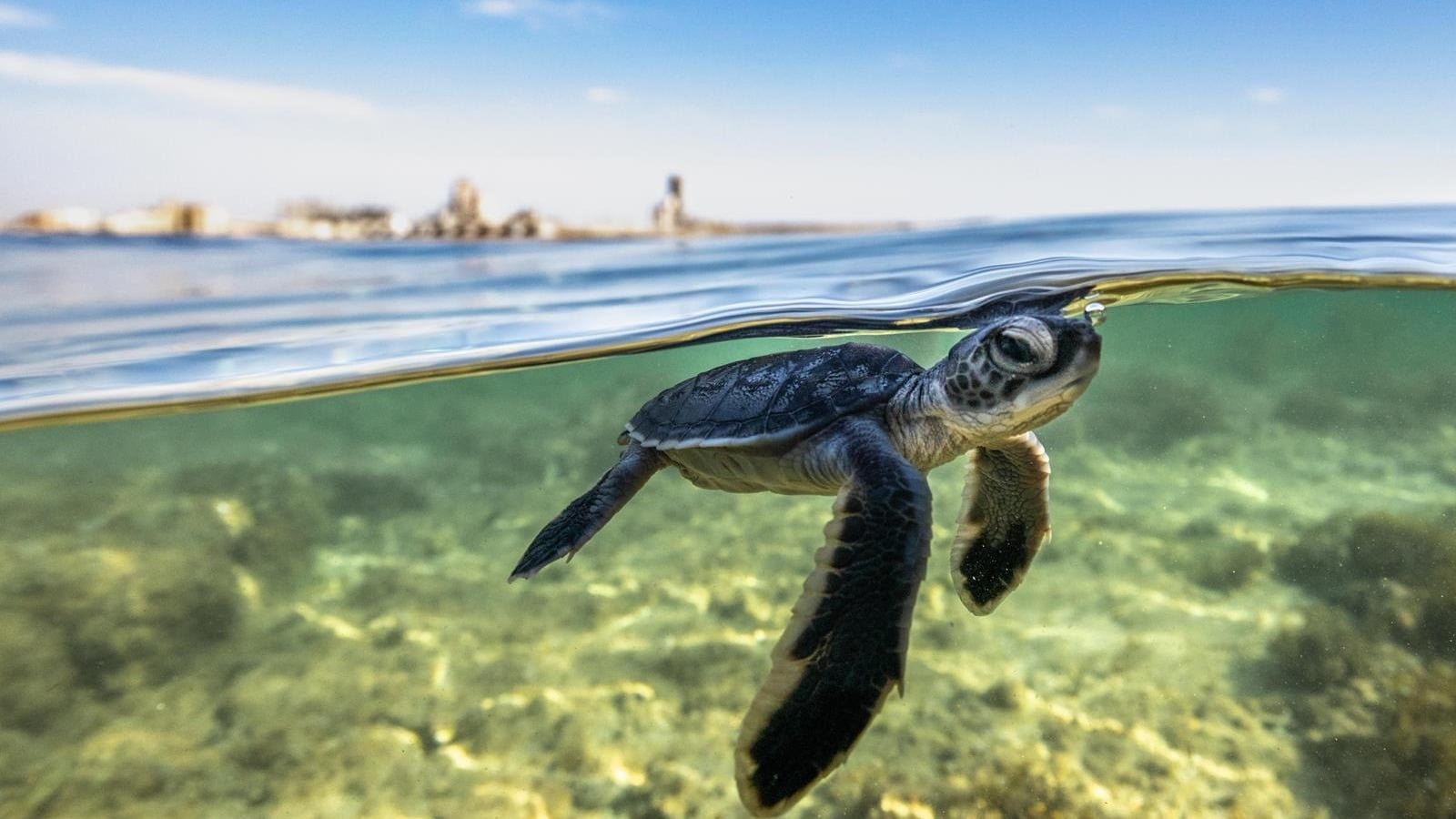
Endangered hawksbill turtles have made the Four Sisters Islands in Al Lith a key nesting and breeding site, thanks to the islands’ unique environment.
Key Takeaways
AIEndangered hawksbill turtles have chosen the Four Sisters Islands in Al Lith governorate—including Marmar, Dahreb, Melato, and Jadeer—as a primary habitat for feeding, breeding, and nesting. These islands offer a unique natural environment, combining coral reefs, seagrass meadows, mangrove trees, and calm sandy beaches, making them an ideal location for turtles to dig nests and lay eggs before returning to the sea.
According to the Red Sea Corals and Turtles Conservation Authority (Shams), the Four Sisters Islands are the largest recorded nesting site for sea turtles in Saudi Red Sea waters, with more than 2,500 turtle nests documented. The site is especially important for the hawksbill turtle, scientifically known as Eretmochelys imbricata, which is listed as endangered on the International Union for Conservation of Nature’s Red List.
Hawksbill turtle characteristics and habitat
Hawksbill turtles are distinguished by their narrow, pointed beak resembling that of a hawk, overlapping shell plates, and naturally patterned shells. Their strong front flippers help them move and maneuver efficiently in the marine environment.
In the Red Sea islands, these turtles have found rich biodiversity and natural resources that support their nesting and allow them to continue their journey across the world’s oceans, as they have for millions of years. Hatchlings begin their journey to the sea immediately after emerging from their eggs, underscoring the importance of preserving these natural habitats.