

China’s Singles’ Day sales climb 4.8% to $267bn amid AI boom
Singles’ Day sales in China rose 4.8% to $267 billion, driven by e-commerce platforms expanding AI and chatbot use, despite slower growth than last year.
Key Takeaways
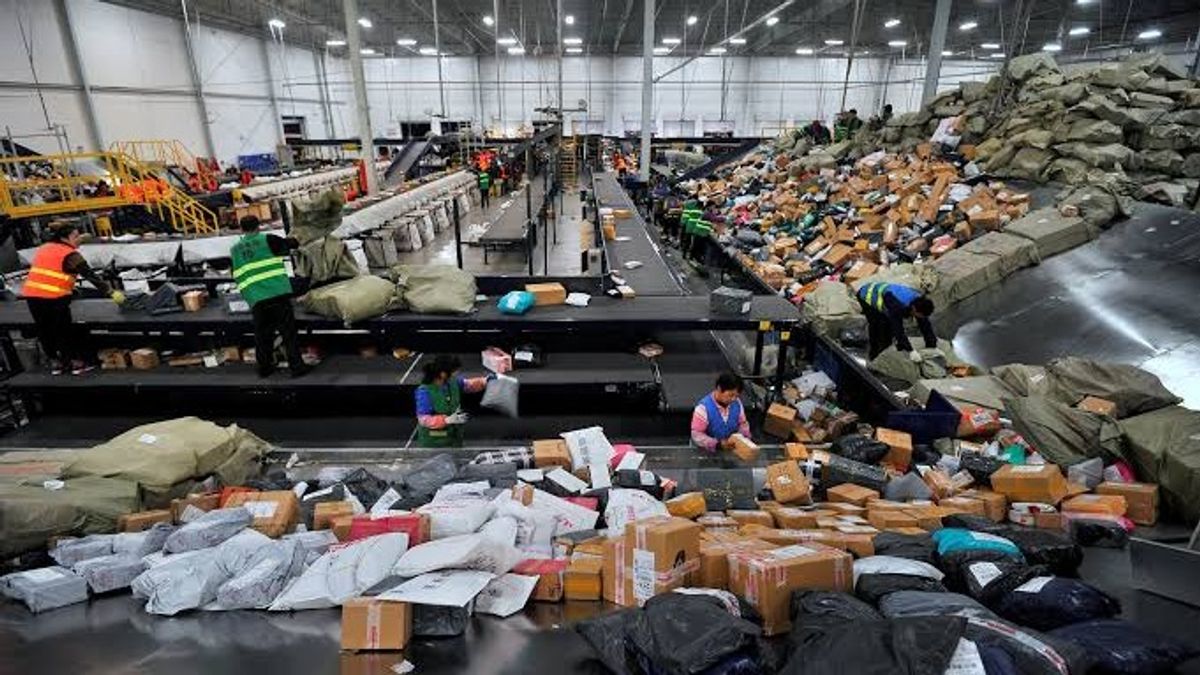
AISales during China’s annual Singles’ Day shopping festival rose by 4.8% year-on-year to 1.78 trillion yuan ($267 billion) between October 7 and November 11, driven by e-commerce platforms expanding their use of artificial intelligence tools and chatbots to boost sales and promote tech-related products, according to market research firm Syntun.
The data showed that sales growth was much slower than last year’s 14.2% increase, as weak consumer confidence, a continued slump in the property market, lower income expectations, and job security concerns weighed on spending in the world’s second-largest economy.
This year’s campaign saw a wider adoption of AI technologies. JD.com reported selling over 50 million AI-related products and processing more than 300 million service orders during the promotional period.
The company added that transaction values for AI-powered computers, workstations, cameras, smart glasses, and recording devices more than doubled compared to last year. Searches for the term “token” surged over 13 times from pre-campaign levels, while sales of token packages used in large language AI models jumped more than tenfold.
Alibaba Group, meanwhile, highlighted the strong performance of new brands linked to emerging tech and consumer trends, noting that 333 brands less than three years old led sales in niche categories from October 15 to 27. These included Fuzuzu, a maker of AI-powered companion robots, and US-based Eight Sleep, which specializes in smart sleep technology.
Singles’ Day, held annually on November 11, is one of the world’s largest online shopping events. It began as a social celebration for singles in China before Alibaba transformed it in 2009 into a major sales festival, which has since expanded from a single day to several weeks and become a key indicator of consumer and e-commerce trends in China.