

Plastic tea bags release thousands of microplastics into drinks, study finds
A study warns that plastic tea bags can release thousands of microplastic particles and chemicals into hot drinks, urging use of loose tea instead.
Key Takeaways
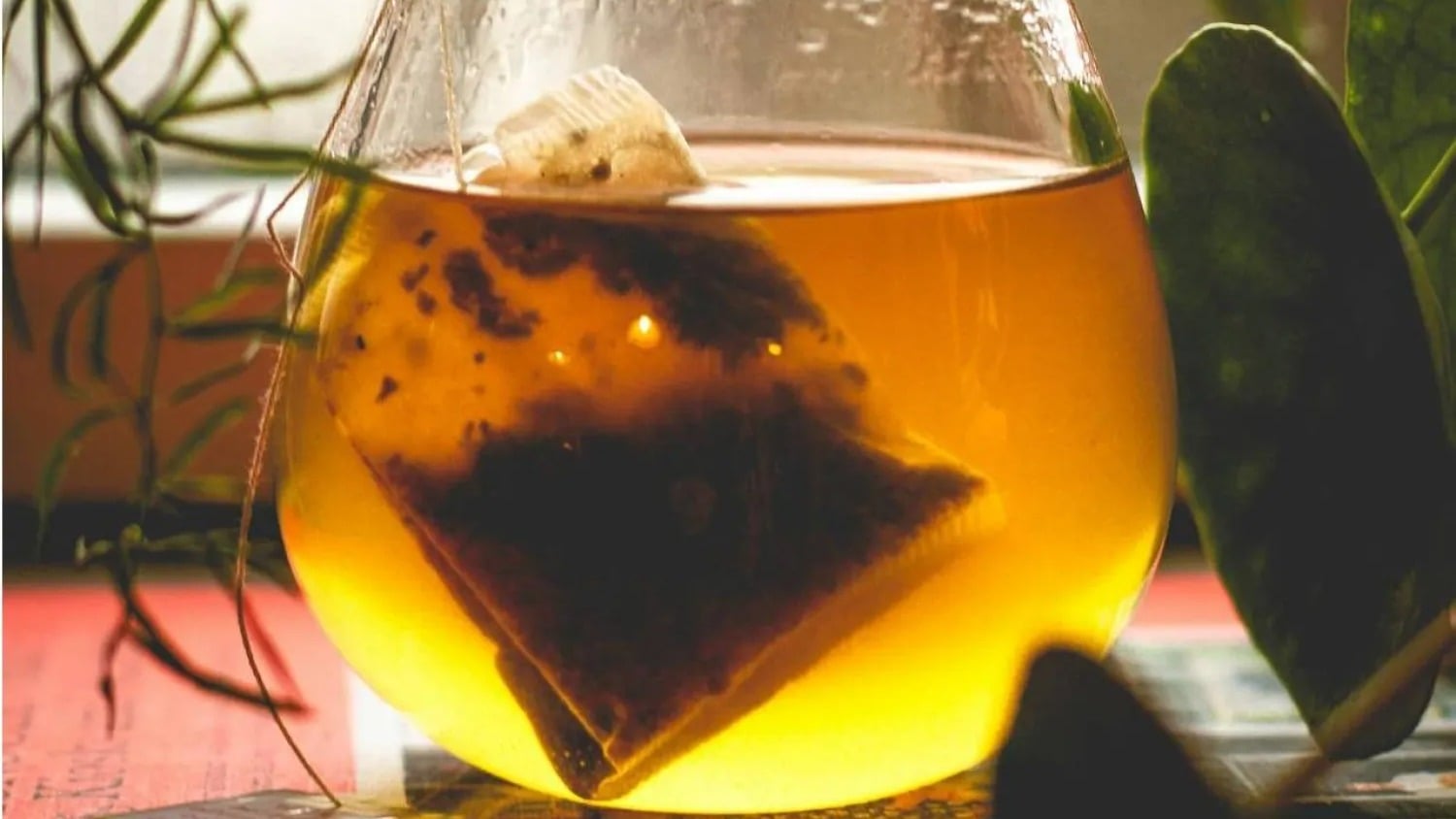
AIA study published in the journal npj Science of Food has found that plastic tea bags can release thousands of microplastic particles and certain chemicals into drinks when steeped in hot water.
The research showed that tea bags from four brands released between 555 and 2,498 microplastic particles per cup on average when steeped for three minutes in water at 95 degrees Celsius.
Researchers also detected bisphenol A (BPA) and plasticizer compounds in all samples of tea prepared with plastic tea bags.
The amount of BPA ranged from 4.55% to 21.70% of the tolerable daily intake, according to the European Food Safety Authority (EFSA).
Loose leaf tea contained between 146 and 1,178 microplastic particles per kilogram, equivalent to about 0.3 to 2.4 particles per two-gram serving.
The study noted that the comparison between tea bags and loose leaves is not direct, as loose tea was not prepared in the same way as the bags.
The study did not directly measure health effects, but researchers noted that BPA can affect hormonal balance and that exposure from tea may add to other sources in the body.
They stressed that actual health risks still require further research.
Researchers recommend using loose leaf tea instead of plastic tea bags and preparing it in ceramic or metal containers. They also suggest rinsing the leaves with cold water before brewing to reduce some potential contaminants.
The study emphasized the need for additional research to accurately determine exposure levels, detect smaller particles, and measure chemicals in loose tea after typical preparation.
The study clarified that the results do not prove direct health harm from plastic tea bags but indicate the possibility of microplastics and chemicals transferring into drinks.