

US lab monkey prices soar 570% amid supply shortage
Prices for lab monkeys in the US have surged from $3,000 to $20,000, as investors move to breed thousands locally to address a persistent supply crunch.
Key Takeaways
AIPrices for monkeys used in laboratories in the US have soared from $3,000 to $20,000—an increase of about 570 percent in recent years—as a co-founder of Palantir seeks to capitalize on the investment opportunity by breeding 30,000 monkeys domestically.
According to US platform Moneywise, Palantir co-founder Joe Lonsdale is backing a startup aiming to breed tens of thousands of monkeys for laboratory research in the United States. The move comes amid a years-long shortage that has driven prices sharply higher and forced medical researchers to rely heavily on foreign suppliers.
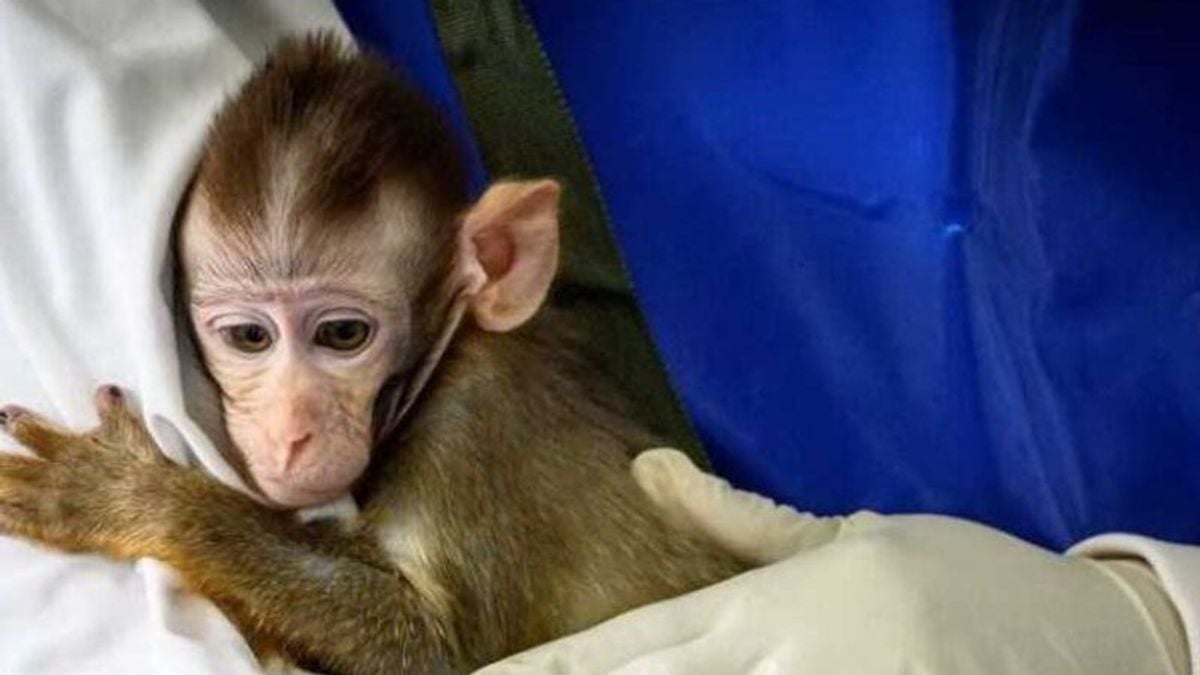
The issue of lab monkeys has drawn significant attention in US media. Forbes magazine reported that the startup, called Humane Medicine, has raised $28 million since its founding in 2023 and plans to build a breeding facility in Bainbridge, Georgia, which could eventually house up to 30,000 long-tailed macaques—a species widely used in pharmaceutical research due to its biological similarity to humans.
Forbes noted that this shortage has also caused a dramatic spike in research monkey prices. Journalist Oli Lehmann highlighted on X that prices have jumped from about $3,000 per monkey in 2019 to over $20,000 today.
Historical price data underscores the sharp rise in costs. According to estimates from Evercore cited by The Washington Post, the price of monkeys supplied by Charles River Laboratories—a major provider of animals for clinical trials—rose from around $2,500 in 2019 to $22,000 in 2022.
Lehmann attributed the shortage of macaques to the COVID-19 pandemic, when China—a key supplier of research monkeys to the US—imposed export restrictions, forcing American labs to seek alternative sources.
While expanding domestic breeding could help reduce US dependence on imports, this will not happen overnight, as female macaques reach sexual maturity at around age four and typically give birth to just one offspring per year.
Meanwhile, the US Food and Drug Administration (FDA) is encouraging the use of artificial intelligence and other technologies to reduce animal testing, though this transition may take years.
Media reports last year indicated that animal testing remains a standard part of drug development. For example, safety studies for lab-produced monoclonal antibodies can take up to six months and typically involve about 144 non-human primates, at a cost of $50,000 per animal. However, some industry executives believe AI could eventually eliminate the need for animal studies altogether.