

Traditional saqiyas in Qassim reflect agricultural heritage
In Qassim, traditional saqiyas once vital for water extraction remain a symbol of the region’s agricultural heritage and the ingenuity of past generations.
Key Takeaways
AISaqiyas, or traditional water-lifting systems, were once among the most important agricultural professions in the Qassim region. Before the advent of pumps and modern irrigation, local residents relied on these systems to draw water from deep wells for irrigating crops, watering livestock, and meeting daily needs.
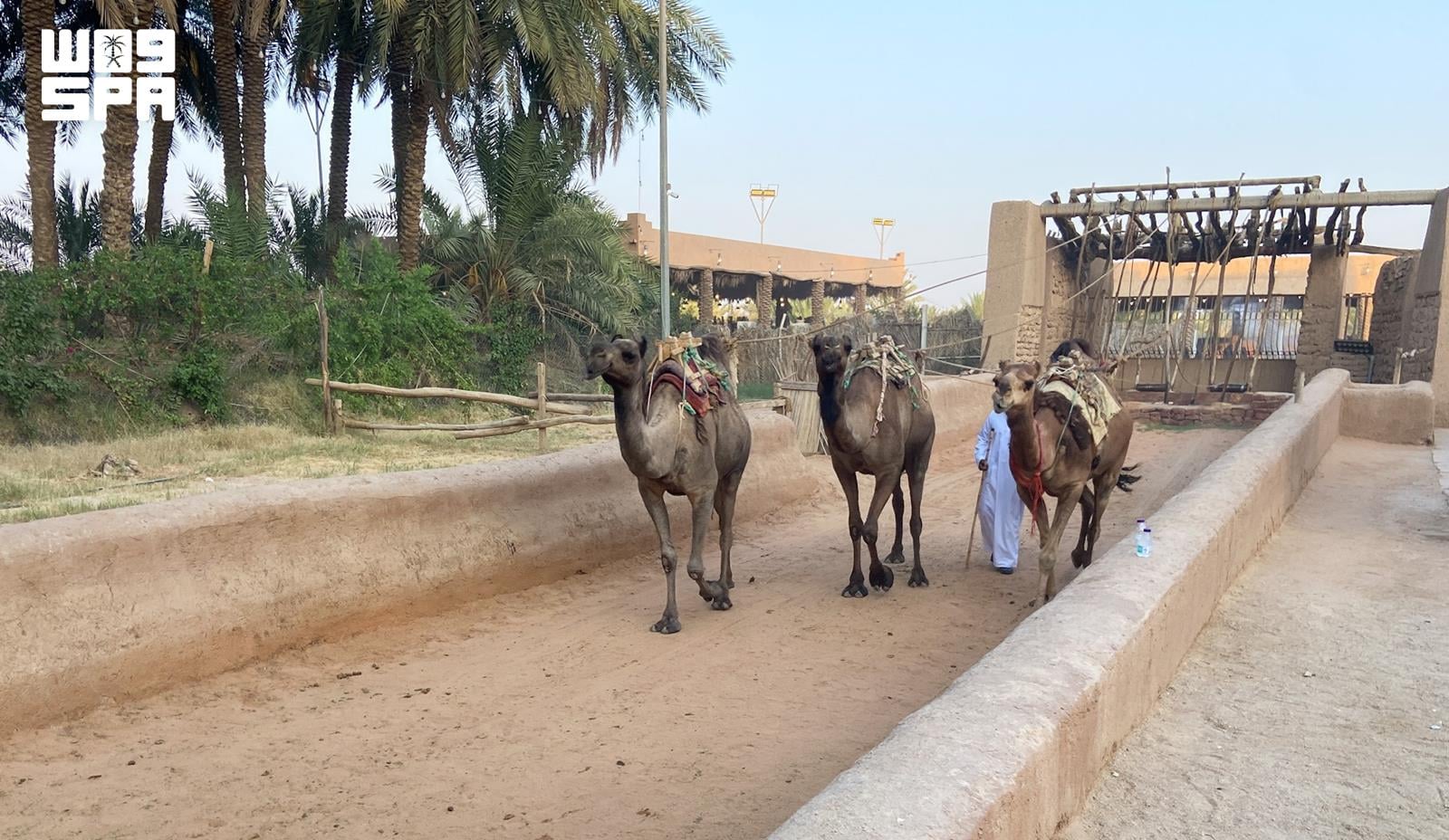
This profession reflects the nature of life in Qassim, where farmers depended on their skills and specially trained animals—primarily camels—to operate a set of traditional tools. Camels would walk along a designated path known as the "manha," pulling water using implements such as the "gharab" (a leather bucket), "rasha" (rope), as well as the "sarih," "mahala," "qub," "mihwar," "darraja," "zaranig," and "lazza." These tools were crafted by artisans from local materials, especially wood from tamarisk trees.
Tools and skills associated with saqiyas
Farmer Saleh Al-Hamad told the Saudi Press Agency (SPA) that saqiyas were an essential part of rural life, with camels used to draw water by lowering the gharab into the well, attaching it to the rope, and moving the animal to lift and empty the water into a designated area. He explained that the process required expertise in handling both the animals and the equipment, and was repeated many times daily as needed.
Al-Hamad noted that camels were most commonly used for saqiyas and required special training. The owner would chant traditional songs and calls during the work to encourage the animals—these chants have become part of the region’s collective memory, especially among the elderly.
Saqiyas: past and present
Al-Hamad added that saqiyas supported a range of related crafts, including the making of wooden and leather tools and ropes. While the introduction of modern technology has reduced the need for saqiyas, they remain a cultural symbol, displayed in heritage villages and local festivals as a testament to the skills and adaptability of earlier generations.
These efforts contribute to preserving the cultural heritage of Qassim, a region rich in archaeological sites and traditional crafts, ensuring that the legacy of saqiyas endures in the collective memory of new generations.