
Peak work moments mirror play: clear goals, rules, and instant reward
Work and play are not opposites—research shows our most productive moments at work share the spirit of play, with clear goals and a sense of enjoyment.
Key Takeaways
AIA common belief holds that work and play are opposites, but this is a misconception. Our most productive and skillful moments at work often resemble play, and the most innovative teams are those that make room for experimentation, questioning, and even humor in their tasks.
Many assume that seriousness is the sole path to productivity and that enjoying work signals a lack of discipline. However, Hungarian-American psychologist Mihaly Csikszentmihalyi challenged this idea in a 1989 study with researcher Judith LeFevre. They tracked hundreds of workers, prompting them at random times during the day to record their activities and feelings.
The results were surprising: participants experienced deep immersion and focus at work—often losing track of time—more than when they were resting, where time seemed to drag. The researchers explained that work provides what idle time lacks: a clear goal, a challenge matched to one's skills, and a visible outcome upon completion. Ironically, these are the same elements that make games enjoyable.
Craftsmanship once felt like play
The link between work and enjoyment is not new. In his 2008 book "The Craftsman," American sociologist Richard Sennett documents how traditional artisans were driven by a desire for mastery rather than profit. Like players, they experimented, made mistakes, and tried again, passing down workshop secrets through imitation and practice, not rote instruction. The advent of the modern production line separated workers from the results of their labor, turning work into repetitive motions with little connection to the outcome—stripping away much of the playful spirit that had defined work for centuries.
Teams that experiment learn faster
Harvard Business School professor Amy Edmondson has explored this connection in modern teams. Since 1999, she has studied dozens of groups in hospitals, factories, and companies, measuring what she calls "psychological safety"—the confidence that asking questions won't invite ridicule and admitting mistakes won't lead to punishment.
She found that teams with this sense of safety learn faster and innovate more, as members feel free to experiment, ask questions, and spot errors early before they escalate. This mirrors the spirit of a sports team, where trying a new move is encouraged and mistakes are seen as part of the game, not a reason for exclusion.
Serious work creates play
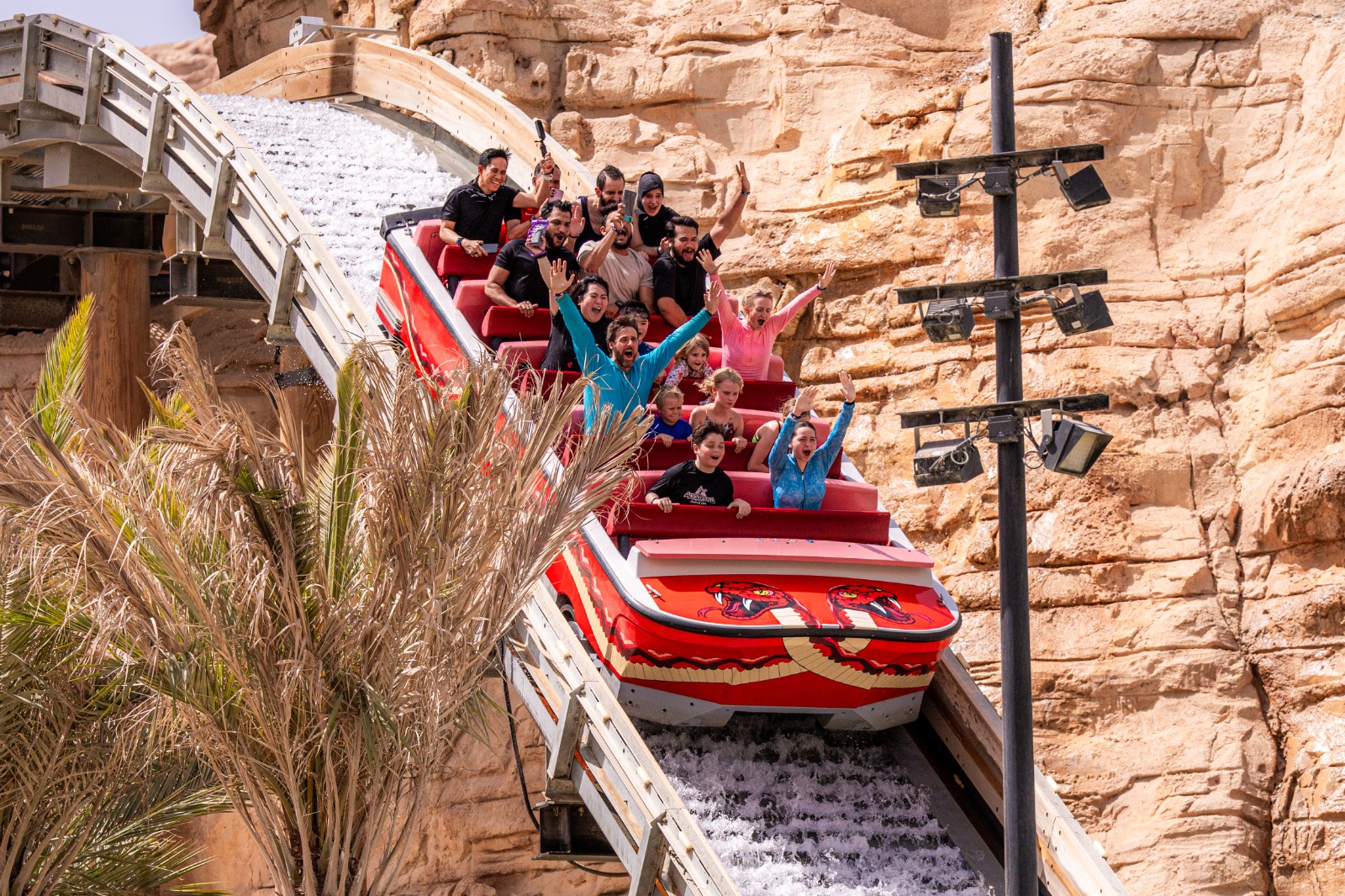
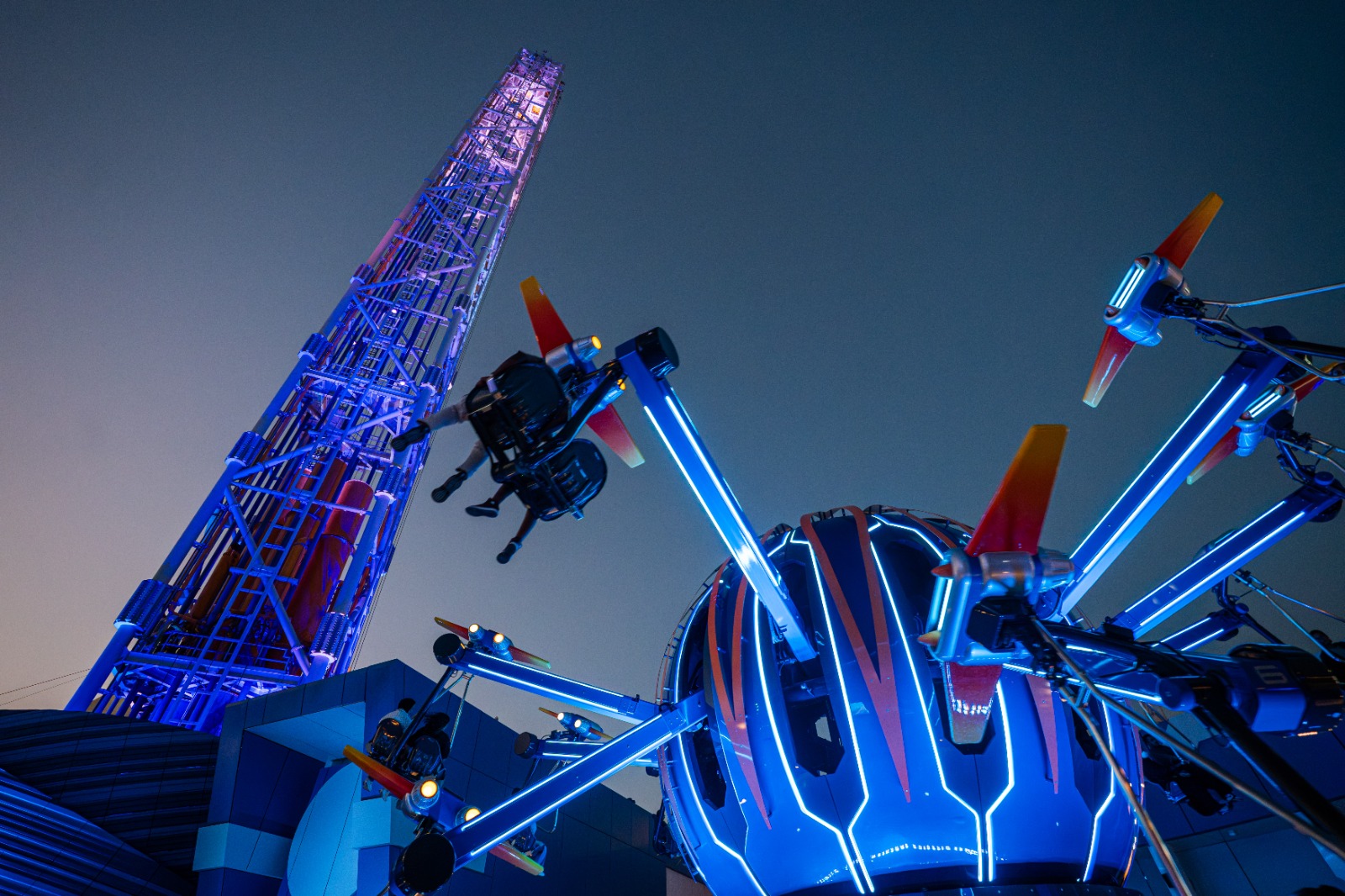
The entertainment industry offers the clearest proof that seriousness and play go hand in hand. Behind every attraction, thousands of engineers, artists, and operators work to the highest safety and quality standards, all dedicated to a single goal: ensuring visitors can play, laugh, and forget their worries in complete safety. Only serious work can create truly enjoyable play.
The numbers highlight this commitment. The international PlayNEXT report on the future of play-based destinations notes that new entertainment projects planned worldwide will exceed $80 billion by the mid-2030s. The sports tourism market alone is expected to surpass $600 billion in 2024, and McKinsey and Skift estimate the experience economy's potential at over $1 trillion. The report describes these experiences as infrastructure to be planned and engineered like roads and bridges—play has become an industry in which the world invests as seriously as any other sector.
These studies converge on a single idea: people are most productive not when they push themselves harshly, but when their work offers what play does—a visible goal, clear rules, and enjoyment that doesn't wait for the end of the month.