

Juniper trees and development projects boost appeal of Raghadan Park in Al-Baha
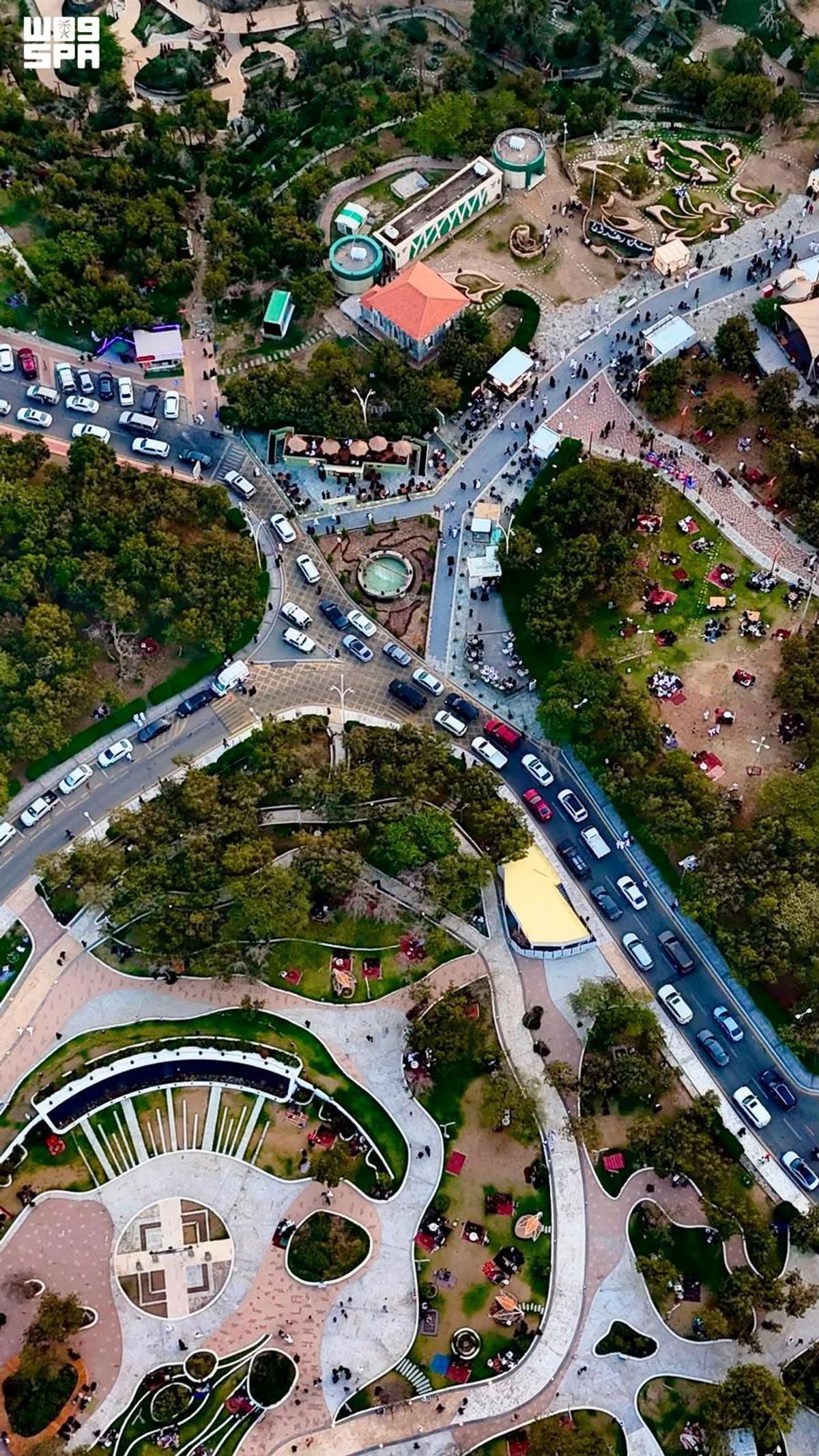
Raghadan Park in Al-Baha blends dense juniper trees with new development projects to attract tourists while preserving the natural environment.
Key Takeaways
AIRaghadan Park in Al-Baha region stands as a model for integrating tourism development with environmental preservation, attracting both residents and visitors with its dense juniper trees, natural vegetation, and a range of development and entertainment projects.
The park's trees provide natural shade and comfortable spaces for sitting and relaxing amid greenery and distinctive terrain, enhancing the visitor experience and making the park a unique destination in the region.
The Al-Baha Municipality stated that, during project implementation, it took into account the density, spread, and distribution of the trees to preserve the vegetation cover and ensure that pathways and facilities harmonize with the surrounding environment without affecting the natural features that distinguish Raghadan.
Development in harmony with nature
The flowing pathways among the juniper trees in "Bahjat Raghadan" and "Lavender Garden" exemplify environmental balance, with routes designed to respect the site's natural features and tree distribution. This allows visitors to move around and enjoy the park's facilities in an atmosphere that combines natural beauty with modern development.
Environmental care also extends to the valleys and flood channels, which have been preserved during planning and construction to maintain the site's characteristics and terrain, further integrating the park's facilities with the natural landscape.
Tree-planting initiatives and vegetation sustainability
The municipality continues its efforts to protect and enhance the park's vegetation by applying sustainable irrigation methods and launching tree-planting initiatives aimed at increasing green spaces and supporting the long-term sustainability of the park's plant life.
The dense juniper trees, with their intertwining branches along pathways and seating areas, attract photographers who capture scenes of visitors among the trees. These trees offer guests an experience closely connected to the natural setting, with seating areas spread beneath their shade, fulfilling both environmental and aesthetic roles.
Preserving the juniper trees and vegetation, respecting valleys and flood channels, constructing pathways in line with the terrain, and implementing sustainable irrigation and tree-planting initiatives all reflect a development approach that balances preparing the park for visitors with maintaining its environmental identity.