

Red lunula in fingernails may signal hidden heart or liver issues, study finds
A review in the American Journal of Medical Sciences links red lunula in nails to possible heart, liver, or autoimmune conditions, urging medical evaluation.
Key Takeaways
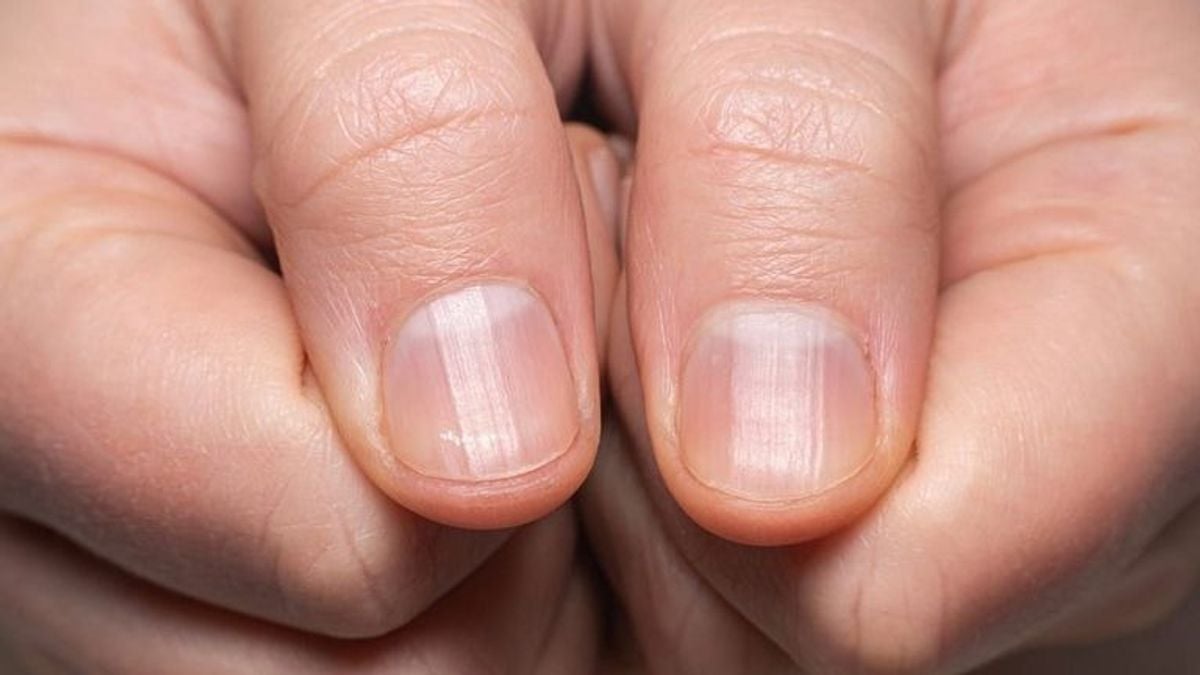
AIA clinical review published in the American Journal of Medical Sciences has indicated that a change in the color of the white crescent-shaped area at the base of the fingernail, known medically as the lunula, turning red may be associated with several underlying health conditions.
Researchers from Rutgers New Jersey Medical School noted that this phenomenon has been documented in medical literature since 1954 and has been observed in some patients with cardiovascular diseases, liver disorders, autoimmune conditions, and joint diseases.
The report clarified that red lunula does not necessarily indicate the presence of disease, nor do all patients with related conditions exhibit this sign. However, the appearance of redness in several nails may warrant a medical evaluation to rule out any underlying health issues.
Medical reports have linked this sign to cardiovascular and autoimmune diseases, joint disorders, certain liver, blood, and skin conditions, as well as cases of alopecia areata or carbon monoxide poisoning. Redness in only one nail may be due to a local issue such as infection, tumor, or bleeding.
The exact cause of the redness remains unknown, but one hypothesis suggests it may result from dilation of capillaries beneath the nail, leading to increased blood flow and a red appearance.
Doctors can assess the condition by applying pressure to the lunula; if the redness is due to blood flow, the area may turn white under pressure.
Researchers emphasized that red lunula is not a definitive diagnostic tool for any specific disease, but it is a clinical sign that deserves attention, especially when it appears in multiple nails or alongside other symptoms.
They also pointed out that the rarity of this phenomenon may lead to its medical significance being overlooked, stressing the importance of monitoring it to help identify potential systemic or dermatological diseases.