

Madinah welcomes summer visitors with rich religious and cultural offerings
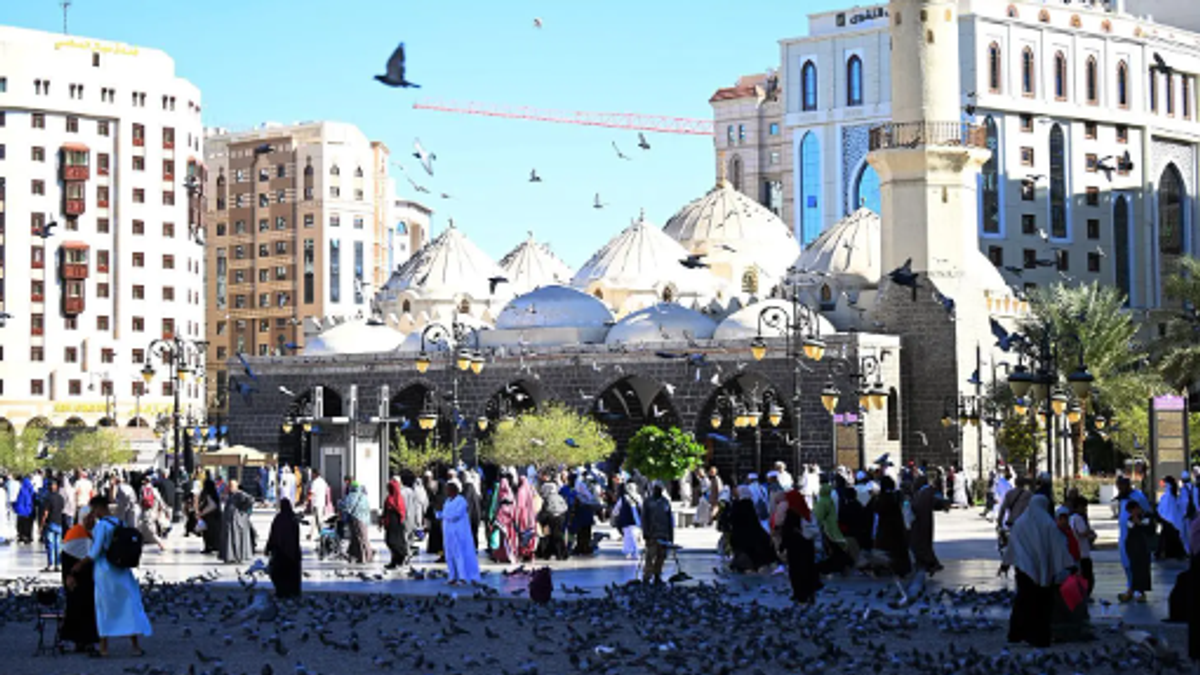
Madinah continues to attract visitors during the summer break, offering a blend of religious, cultural, and historical experiences.
Key Takeaways
AIMadinah continues to attract visitors during the summer holiday, thanks to its wealth of religious, cultural, and historical attractions. The city also offers entertainment destinations and unique experiences, providing guests with a comprehensive journey that combines worship, learning, and exploration of Madinah’s rich heritage.
The Prophet’s Mosque remains the main destination for visitors, with integrated services in its surrounding central area, which features accommodation, markets, and service facilities. Notable cultural sites include the Exhibition of the Architecture of the Prophet’s Mosque and the Exhibition of the Prophet’s Biography and Islamic Civilization, both offering educational content that documents the mosque’s history and the Prophet’s life through modern displays.
Visitors to Madinah can also explore several historical sites linked to the Prophet’s biography, most notably Quba Mosque, which is connected to the Prophet’s Mosque by Quba Avenue. This pedestrian-friendly route combines historical significance with commercial services, restaurants, and cafés, alongside markets and shops selling local products and souvenirs.
During the summer break, Madinah hosts a variety of events and experiences, including seasonal markets, cultural and entertainment venues, agritourism sites, and the Madinah Dates Season. These activities allow visitors to discover different types of dates and related products, strengthening their connection to the region’s agricultural and cultural heritage.
The Madinah Region Development Authority continues to implement projects to develop public squares, plazas, and destinations, enhancing quality of life and enriching the visitor experience. These initiatives connect guests with historical and cultural landmarks through cultural routes and squares that highlight the city’s religious and heritage identity, in line with Vision 2030’s goals to develop tourist destinations and improve the experience for pilgrims and visitors.