

Crystallization reveals quality of natural honey, expert says
Honey is highly susceptible to adulteration, with fake or processed varieties often mimicking the appearance of genuine natural honey.
Key Takeaways
AIHoney is among the most commonly adulterated products, with fake versions often imitating natural honey using sugar syrup, or with natural honey being processed to enhance its appearance and consumer appeal.
Dr. Lyudmila Satyukova, associate professor in the Department of Veterinary Expertise and Biological Safety, notes that crystallization is the main indicator of mature, natural honey.
She explained that the simplest way to increase honey volume is by adding sugar substitutes, such as beet or cane sugar, or starch syrup, then heating the mixture until it becomes uniform in texture.
Another method of adulteration is "reviving" last year's honey. Over time, mature natural honey becomes denser and crystallizes, but it can be reheated to return it to a liquid state and sold as fresh honey.
According to the expert, as reported by Russia Today, adulteration may also involve altering the density and weight of honey. Chalk powder can be used to mimic the natural granular texture, while starch or flour may be added to thicken overly liquid syrup.
The Russian expert said: "Mature honey becomes denser and more cohesive over time, which is one of the main characteristics of natural honey. To restore its liquid consistency and sell it as fresh honey, old honey is reheated."
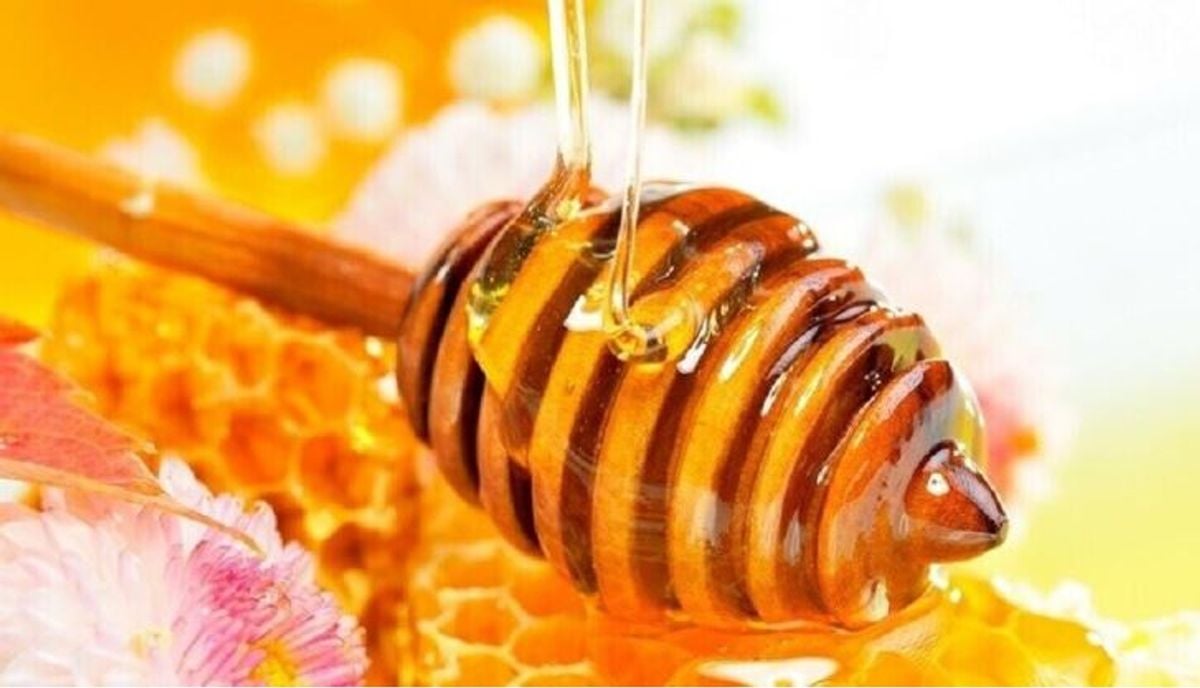
She added that it is nearly impossible to determine the authenticity of honey based on appearance alone, noting that smooth flow when stirred with a spoon or an attractive amber shine are not definitive indicators of quality.
She explained: "Diastase is an enzyme secreted by the pharyngeal glands of bees to help break down complex sugars in nectar. Its quantity depends on the strength of the bee colony, the maturity of the honey, and storage conditions. One of the key properties of diastase is that it is quickly destroyed when honey is heated."
The expert emphasized that thorough verification of honey quality can only be done in a laboratory, where specialists examine pollen composition, diastase enzyme levels, hydroxymethylfurfural concentration, and water content. These indicators help determine the product's origin, the extent of heating, and whether it has been diluted or is at risk of fermentation.