

Global heatwaves drive surge in air-conditioned clothing market
Rising temperatures worldwide are fueling rapid growth in wearable cooling technologies, with air-conditioned clothing becoming a common sight in cities like Tokyo.
Key Takeaways
AIRising global temperatures are reshaping the fashion industry, accelerating the development of wearable cooling technologies. Once considered experimental, air-conditioned jackets and clothing are now becoming part of daily life, especially as cooling-equipped garments have become a common sight on the streets of Tokyo. The global market for such clothing reached around $1.8 billion last year, with forecasts predicting it could rise to $4.6 billion by 2034.
According to the Financial Times, designer Rick Owens unveiled a collection of air-conditioned jackets and track pants in partnership with Adidas in June, during Paris Men's Fashion Week, which coincided with a record heatwave reaching 40°C. Many attendees, drenched in sweat, reportedly wished they could wear these cooling devices immediately.
The British newspaper noted that Owens explained during the show that the striking inflatable garments featured built-in fans, used alongside Adidas's ClimaCool technology and cooling vests to create a personal air-conditioning system designed to cool runners' torsos as much as possible before races.
Owens also addressed the project's environmental goals, stating, "I've always said the path to tackling the environmental crisis is long, but we can all start somewhere and aim higher."
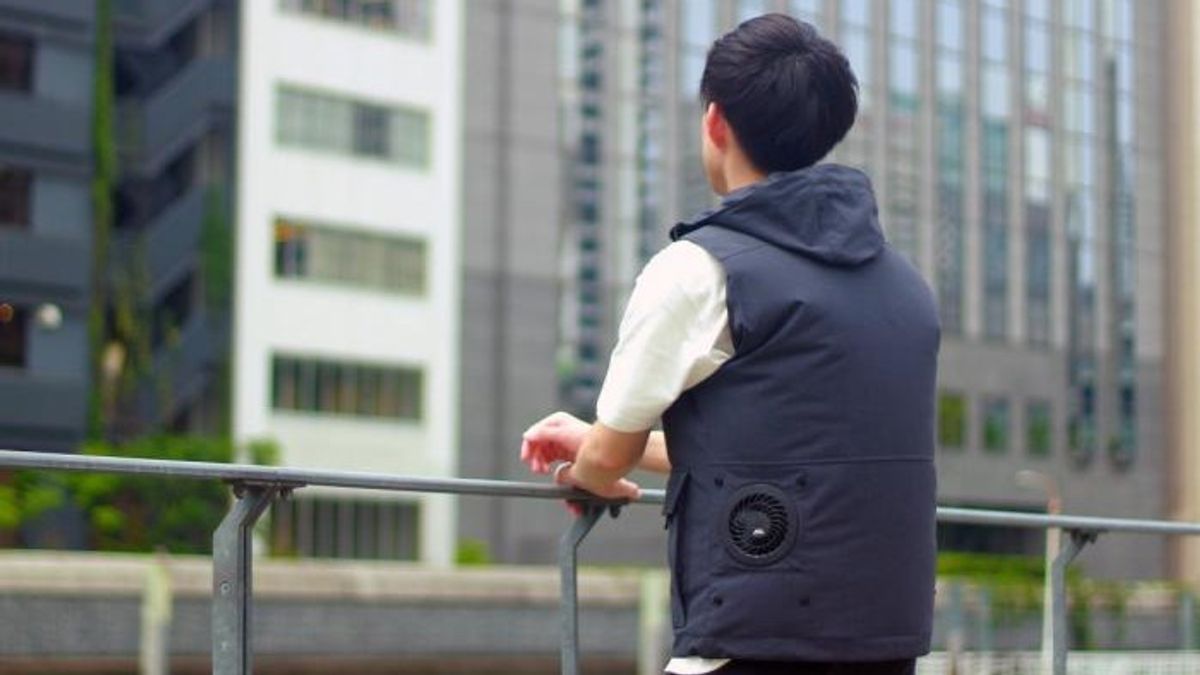
The newspaper questioned how effective air-conditioned clothing can be in helping wearers cope with extreme heat. It noted that fan-equipped jackets are a relatively new phenomenon, first invented by former Sony engineer Hiroshi Ichigaya in the early 2000s. Concerned about the environmental impact of installing air conditioning in every skyscraper being built in Southeast Asia at the time, Ichigaya instead introduced his invention—a jacket with fans on either side of the back—as a portable, energy-saving alternative.
The Financial Times recalls that in 2004, Ichigaya launched his product in the Japanese market through his company Kuchofuku, which literally means "air-conditioned clothing" in Japanese, starting with just one design. Demand grew as temperatures rose: during a severe heatwave in 2011, Ichigaya told ABC News that "sales increased tenfold." Today, fan-equipped jackets are a familiar sight in Japan during the summer, worn by construction workers, delivery drivers, and postal workers alike. Prices for Kuchofuku models start at around 20,000 yen (about £90), with other popular brands including Burtle and Makita.
Fan-equipped jackets work by circulating air around the body, which helps sweat evaporate more quickly, explains Dahua Xiao, associate professor of advanced textile technologies at Hong Kong Polytechnic University. "Evaporation is the body's natural way of shedding heat, so extra airflow boosts our cooling system," he said.
Regarding technical specifications, Xiao notes that current models on the market are battery-powered and last between four and twelve hours before needing to be recharged. He adds that air-conditioned clothing keeps the body cooler for longer compared to other cooling options, such as PCM (phase change material) vests, which are filled with pre-frozen packs before being worn.