

Catheter-based clot removal boosts recovery after major stroke, study finds
A new study shows catheter-based clot removal may improve recovery chances for patients with large ischemic strokes compared to medical therapy alone.
Key Takeaways
AIA follow-up of a randomized clinical trial has found that catheter-based clot removal may improve recovery and long-term functional independence for patients with large ischemic strokes, compared to medical therapy alone, without a significant increase in long-term mortality.
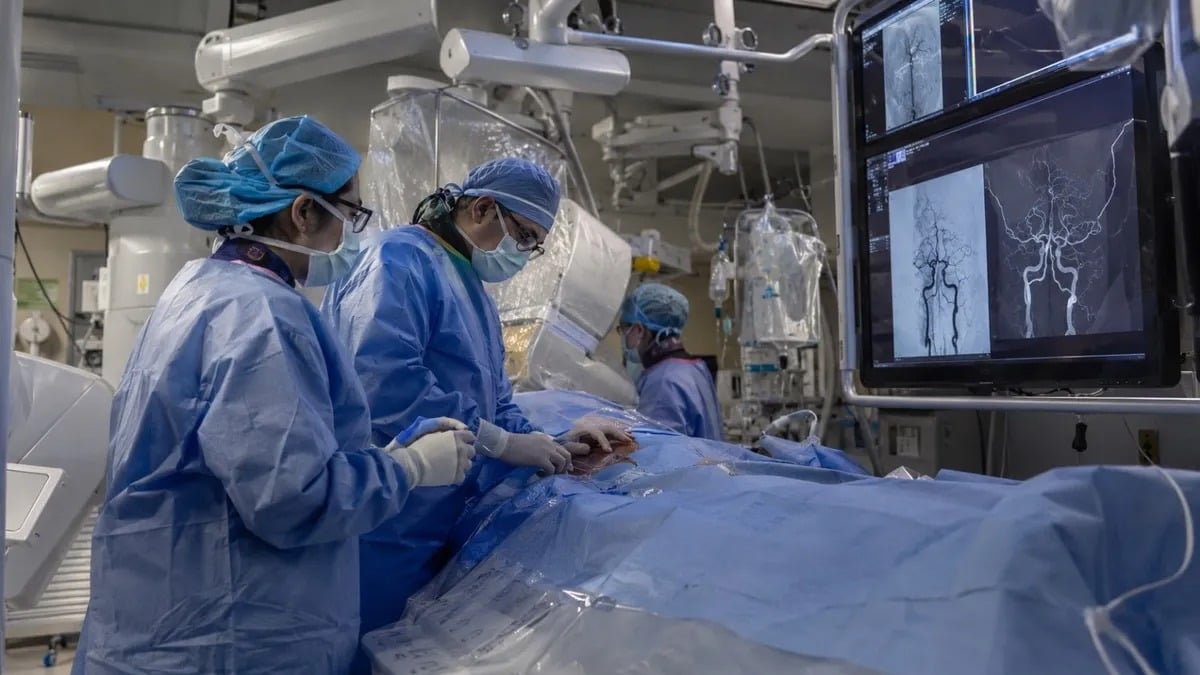
The study, published in JAMA, reported extended results from the TESLA trial, which examined the effectiveness of endovascular thrombectomy in patients traditionally excluded from such procedures due to the large size of their brain infarcts and the presumed limited benefit of reopening the artery.
Study details and treatment methods
The trial included patients who had blockages in either the intracranial internal carotid artery or the main segment of the middle cerebral artery—major vessels whose obstruction typically leads to severe strokes. All participants began treatment within 24 hours of symptom onset or from the last time they were known to be well.
Researchers used standard non-contrast CT scans to estimate the extent of brain damage, rather than advanced imaging techniques such as CT perfusion or MRI, making the findings more applicable to a wide range of medical centers.
Positive results after one year
Initial results showed a numerical improvement in patients who underwent thrombectomy, though the difference did not reach the pre-specified statistical threshold for superiority. However, the gap between the two groups widened over time, with those who had the procedure demonstrating better functional independence after one year, including some patients able to walk unaided despite needing help with daily activities.
In assessments of health-related quality of life, the thrombectomy group also reported better outcomes than those who received medical therapy alone.
Recommendations and future outlook
The researchers noted that the widening difference in outcomes between three months and one year suggests patients with large strokes may continue to recover for longer than previously believed, and that evaluating treatment at 90 days may not capture all benefits.
They added that patients with extensive brain injury may require more intensive and prolonged rehabilitation programs, beyond the typical three or six months of standard recovery protocols.
The study also raised the possibility that restoring blood flow, even after a large infarct, could help preserve neural networks surrounding the damaged area, potentially giving the brain greater capacity to reorganize and adapt in the months following a stroke. However, the researchers stressed that the hypothesis of enhanced "neuroplasticity" requires further investigation.
Study limitations and need for further research
The researchers emphasized that the findings support broader consideration of thrombectomy for some patients with large strokes, especially using standard CT scans available in most hospitals. However, they cautioned that the one-year results are not definitive, as the primary hypothesis was not pre-specified for this analysis and statistical adjustments for multiple comparisons were not made.
They also highlighted the need for larger studies to better identify which patients benefit most, and to clarify the impact of age, infarct size, blockage location, and speed of blood flow restoration on long-term outcomes.