

Gulf Cup fans explore Jeddah’s historic markets and cultural heritage
Visitors attending the 27th Arabian Gulf Cup have flocked to Jeddah’s historic markets, discovering the city’s rich commercial and cultural legacy.
Key Takeaways
AIJeddah’s historic markets have attracted crowds attending the 27th Arabian Gulf Cup, who have found in the city’s alleys and commercial passageways an opportunity to explore its economic and cultural heritage. These markets have long been intertwined with Jeddah’s history as a hub for trade, pilgrims, and travelers arriving via the Red Sea.
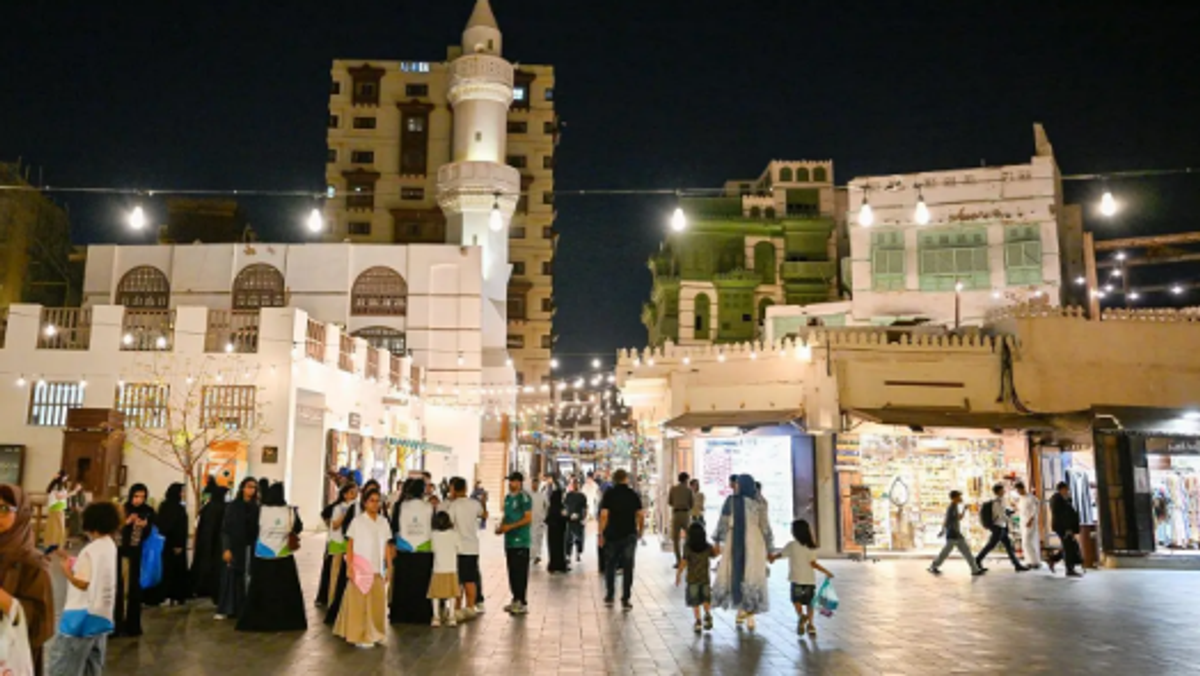
During the tournament, the markets saw a notable influx of Gulf fans, who wandered through the old passageways and shops. They were drawn to displays of perfumes, oud, incense, spices, fabrics, gifts, and traditional products, adding a cultural and social dimension to their sporting journey in the city.
Jeddah’s commercial prominence historically stems from its location on the Red Sea coast and its port’s connection to trade and pilgrimage routes. Over the centuries, the city has welcomed merchants, pilgrims, travelers, and goods from many regions, giving rise to markets that became economic lifelines and places for exchange and cultural interaction within its urban fabric.
Today, the area retains several markets and passageways that are part of Jeddah’s collective memory, including Al-Alawi Market, Bab Makkah Market, Al-Jami’ Market, Al-Badu Market, and Qabel Street, among others. These form a commercial network interwoven with historic homes, mosques, squares, and buildings with traditional wooden latticework, reflecting the city’s old character and diverse commercial activity.
During the Gulf Cup, these markets welcomed a new kind of visitor: football fans supporting their national teams, who between matches took the chance to stroll through the alleys, purchase local products, and learn about the markets that have shaped Jeddah’s identity. Their experience extended beyond the stadiums into a broader cultural and historical setting.
The presence of Gulf fans has revitalized activity in the markets, shops, restaurants, and cafés, showing the tournament’s impact beyond the football fields. The scene brings together merchants continuing their trade in historic markets and fans carrying their national flags through ancient passageways, highlighting Jeddah’s enduring role as a meeting point for newcomers and a place for exchange and connection.
As the 27th Arabian Gulf Cup reaches its final day, Jeddah’s historic markets offer another perspective on the tournament’s influence in the city. The same places that have welcomed merchants, pilgrims, and travelers from diverse cultures throughout history now host Gulf football fans. Visitors leave not only with memories of the tournament but also with a piece of Jeddah’s living heritage and the enduring story of its vibrant markets.