

Imam Turki bin Abdullah Royal Reserve to witness 14 celestial events in September 2026
The Imam Turki bin Abdullah Royal Reserve will host 14 astronomical phenomena in September 2026, including planetary conjunctions and the autumn equinox.
Key Takeaways
AIThe skies above the Imam Turki bin Abdullah Royal Reserve will showcase 14 diverse astronomical phenomena throughout September 2026, including conjunctions between the Moon, planets, and stars, lunar phases, the autumn equinox, and Neptune at opposition. This sequence of celestial events further establishes the reserve as a prime destination for astronomical observation and photography, especially at the 'dark sky' site in the Nafud Al-Kabir desert.
The month’s events begin with the conjunction of Venus and the star Spica on September 1, followed by the Moon’s conjunction with the Pleiades on September 3. The last quarter Moon occurs on September 4, and the Moon aligns with Mars on September 7.
The phenomena continue with the Moon’s conjunction with Jupiter on September 9, the new moon on September 11, the Moon’s conjunction with Venus on September 14, and the Moon’s alignment with the star Antares on September 17, followed by the first quarter Moon on September 18.
In the latter half of the month, the reserve will witness the autumn equinox on September 23, Neptune at opposition on September 26, and on September 27, the Moon’s conjunction with Saturn coinciding with the full moon. The month concludes with another conjunction of the Moon and the Pleiades on September 30.
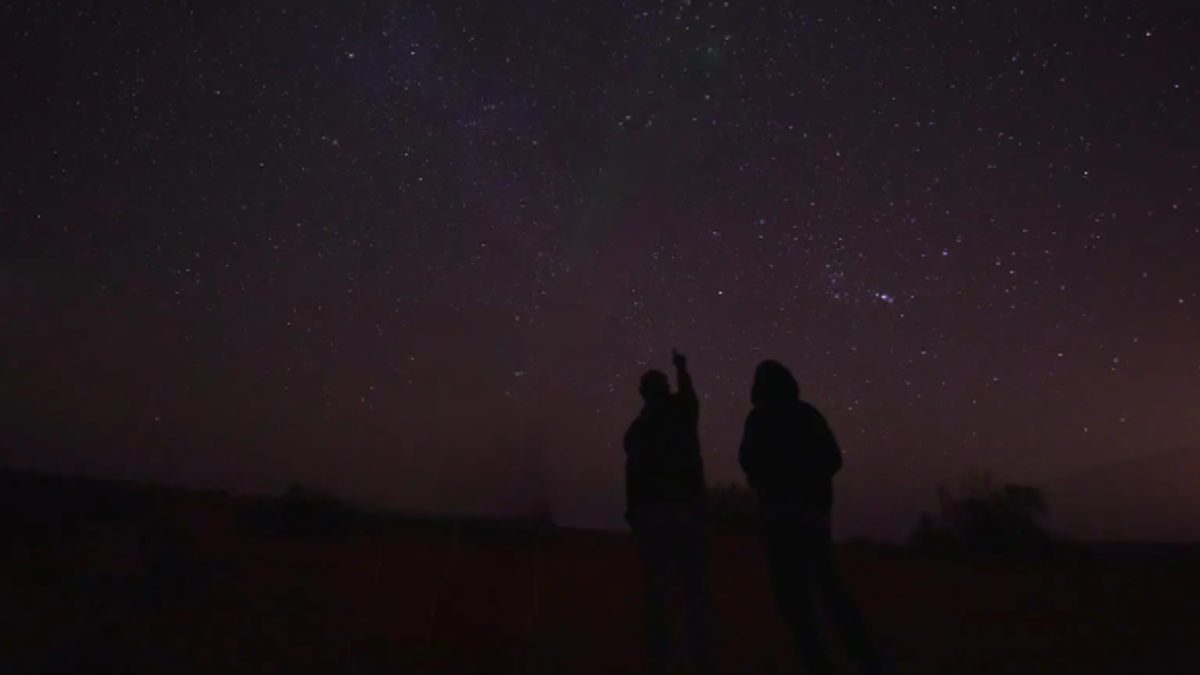
The Imam Turki bin Abdullah Royal Reserve offers an ideal environment for astronomical observation, benefiting from its vast area and low levels of light pollution in several locations. This allows for clearer views of celestial bodies and phenomena, supporting astrophotography and activities related to space sciences.
These features, along with the reserve’s natural diversity, enhance its status as a destination for eco-tourism and astro-tourism, raising awareness of the importance of dark skies and preserving natural environments that enable observation of astronomical events away from artificial light sources.