

Oman’s nature reserves boost environmental protection, sustainable development
Oman is expanding its network of nature reserves to safeguard biodiversity and support national and global sustainable development goals.
Key Takeaways
AIOman is home to 32 nature reserves covering nearly 17,839.6 square kilometers—about 5.76 percent of the country’s total area—making them a cornerstone of the Sultanate’s strategy to protect the environment and preserve biodiversity.
The country is continuously developing its network of nature reserves to support national efforts and meet international biodiversity targets. These reserves form an integrated system for safeguarding terrestrial, marine, and wetland ecosystems, as well as protecting plant and animal species and their natural habitats.
Zahra bint Khalaf Al-Shuraiki, head of the Nature Reserves Management Department at the Environment Authority, said the role of reserves extends beyond protection to include supporting scientific research, enhancing environmental monitoring, promoting sustainable resource use, raising environmental awareness, and developing responsible ecotourism.
Ongoing development plans and international achievements
Al-Shuraiki noted that the Environment Authority continues to expand the reserve network by studying new sites, updating management plans, completing regulatory frameworks, broadening scientific research programs, and increasing community involvement in natural resource management.
She explained that the next phase will focus on improving field management efficiency, upgrading reserve infrastructure, promoting sustainable ecotourism, and expanding cooperation with international organizations—strengthening Oman’s position as a regional model for nature conservation and sustainable development.
Al-Shuraiki also highlighted recent legislative developments, including new regulations for several reserves and the inclusion of Jabal Akhdar and Al-Sareen reserves in UNESCO’s World Network of Biosphere Reserves. Oman has also announced six new reserves over the past five years, including the marine buffer zone around the Hallaniyat Islands.
Conservation programs and environmental challenges
Al-Shuraiki stressed that protecting wildlife in reserves depends on conserving natural habitats. The authority implements integrated environmental monitoring programs using modern technologies, establishing national databases, monitoring threats, and regulating activities within reserves.
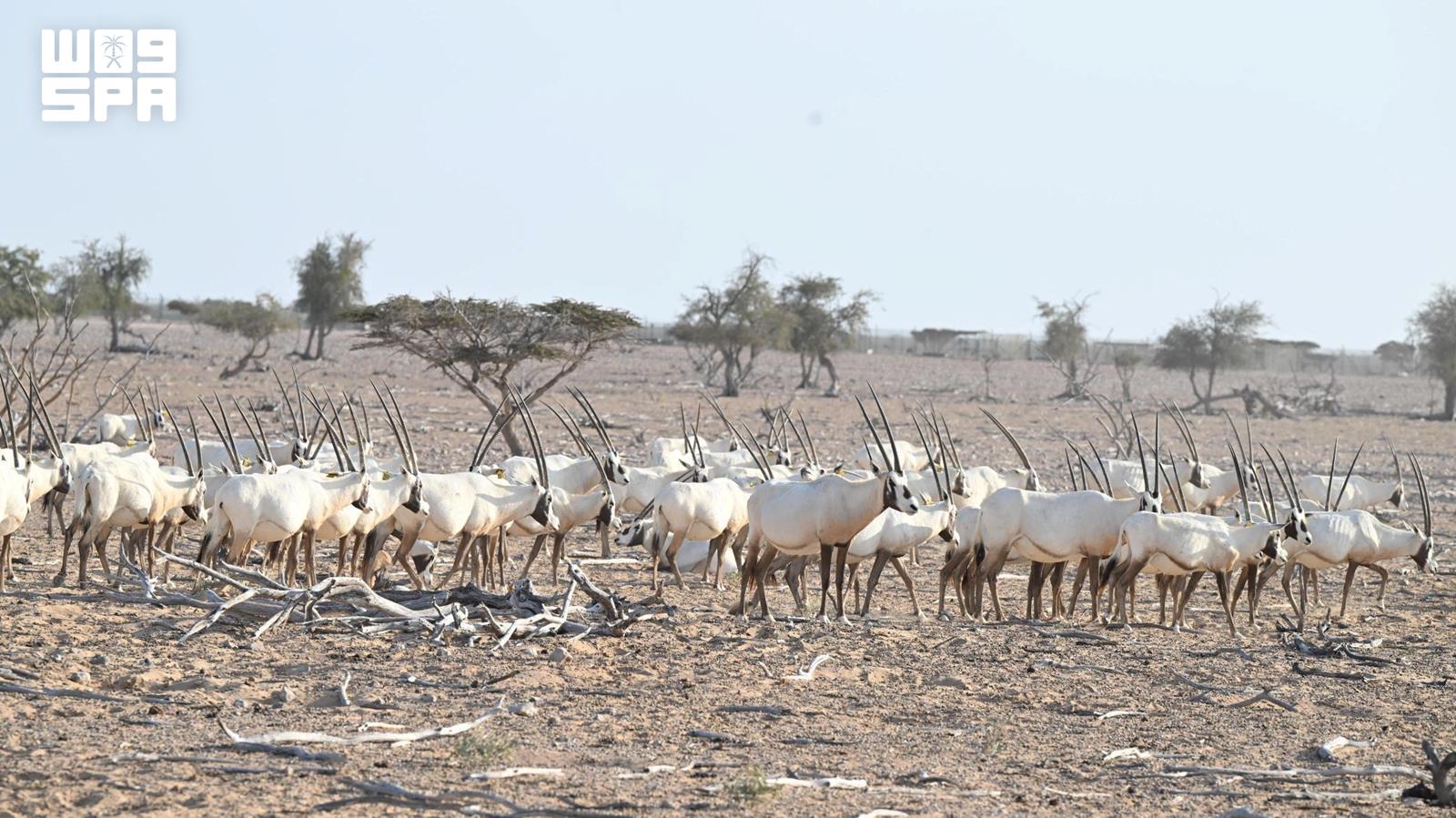
She pointed to the authority’s focus on nationally and globally significant species—such as the Arabian leopard, Arabian oryx, Arabian gazelle, and marine turtles—according to International Union for Conservation of Nature (IUCN) classifications, to enhance conservation efforts.
Al-Shuraiki added that reserves face several challenges, most notably illegal hunting and the growing impacts of climate change. The authority addresses these through environmental legislation, impact assessments, enhanced field monitoring, and coordination with government agencies and local communities.
The role of reserves in achieving sustainable development
Al-Shuraiki noted that climate change is affecting the distribution of some species and the decline of certain habitats. The authority is working to integrate climate considerations into reserve management plans, restore degraded habitats, expand mangrove planting, and use modern technologies to monitor environmental changes.
She emphasized that nature reserves are key to achieving sustainable development goals by protecting biodiversity and natural resources, supporting food and water security, mitigating climate change impacts, advancing scientific research and environmental education, strengthening international partnerships, and implementing relevant global agreements.
Promoting the green economy and community participation
Al-Shuraiki explained that reserves contribute to the green economy by developing ecotourism and creating job opportunities for local communities in environmental guiding, tourism services, and traditional crafts. Visits to reserves are regulated by strict environmental guidelines to ensure ecosystem protection.
She concluded by highlighting the importance of reserves in raising environmental awareness, preserving natural and cultural heritage, and fostering a sense of community responsibility—making local communities key partners in the successful management and sustainability of reserves.