

Art installations in Riyadh Al-Khubara celebrate local heritage
Riyadh Al-Khubara’s public art installations have become a defining feature, enhancing the cityscape and preserving the memory of place for residents and visitors.
Key Takeaways
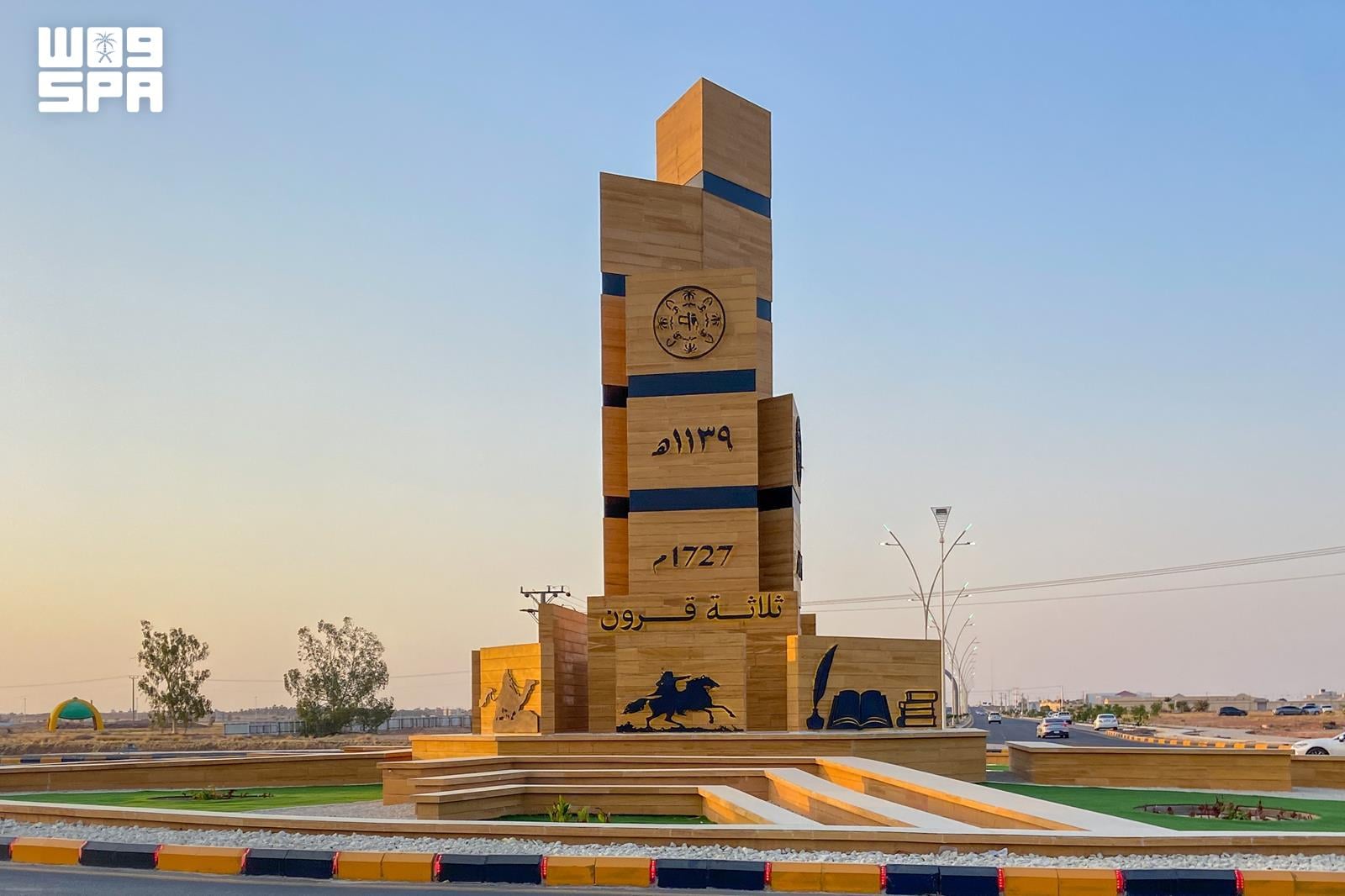
AIArt installations are spread throughout the squares and streets of Riyadh Al-Khubara, creating a distinctive visual landscape that has become a hallmark of the governorate over time. The roads themselves have turned into open-air galleries, with some sculptures now woven into the collective memory and identity of the area, often featured in residents’ and visitors’ photos and stories.
Riyadh Al-Khubara is considered a pioneer among governorates in integrating art into public spaces. The sculptures do more than beautify squares—they serve as visual landmarks that help visitors navigate, give the streets a unique character, and connect daily life with contemporary art.
Iconic sculptures and a renewed identity
Among the most notable works is the "Zabeel" sculpture on King Abdullah bin Abdulaziz Street, symbolizing dates and palm trees, and standing over 15 meters tall. This piece has been a testament to the presence of art in the urban landscape for about two decades.
Another prominent piece is "The Mill," designed more than twenty years ago with artistic elements reflecting the generosity and hospitality of the community. It is one of the most recognized visual landmarks in the governorate. Other sculptures range from works by local artists to pieces inspired by nature and national symbols, gradually becoming part of Riyadh Al-Khubara’s visual identity.
Art and daily life
In recent years, visual development in the governorate has expanded beyond sculptures to include murals, visual arts, and the design of public spaces, as part of an approach that integrates art with architecture and urban planning. This has provided residents and visitors with an artistic experience in streets, parks, and public facilities.
Observers note that art in Riyadh Al-Khubara complements historic architecture, markets, and modern buildings, creating a visual blend that reflects the governorate’s transformation into a vibrant urban, tourist, and cultural center.
Enhancing the visual landscape and quality of life
Development projects continue to introduce new ideas by incorporating art into roads, walkways, and squares, enhancing quality of life, bringing art closer to the community, and elevating the governorate’s urban character.
Commentators affirm that Riyadh Al-Khubara’s art installations have become open pages of the city’s history. Some remain in their original locations, while others have changed or disappeared due to development, but their images live on in residents’ memories, highlighting the power of art to strengthen the bond between people and place.
Riyadh Al-Khubara remains a governorate whose story can be read through its diverse artworks, where sculptures from different eras stand side by side, narrating its evolving features and making art another language for telling the story of the place.