

Fragrant kadi plant a symbol of Al-Baha heritage in Dhi Ain village
The aromatic kadi plant, deeply rooted in Al-Baha’s traditions, thrives in Dhi Ain village, where its blossoms are used in hospitality and social gatherings.
Key Takeaways
AIThe kadi plant is one of the most prominent aromatic plants associated with the popular heritage of the Al-Baha region, prized for its fragrant blossoms and their use in hospitality customs and social occasions.
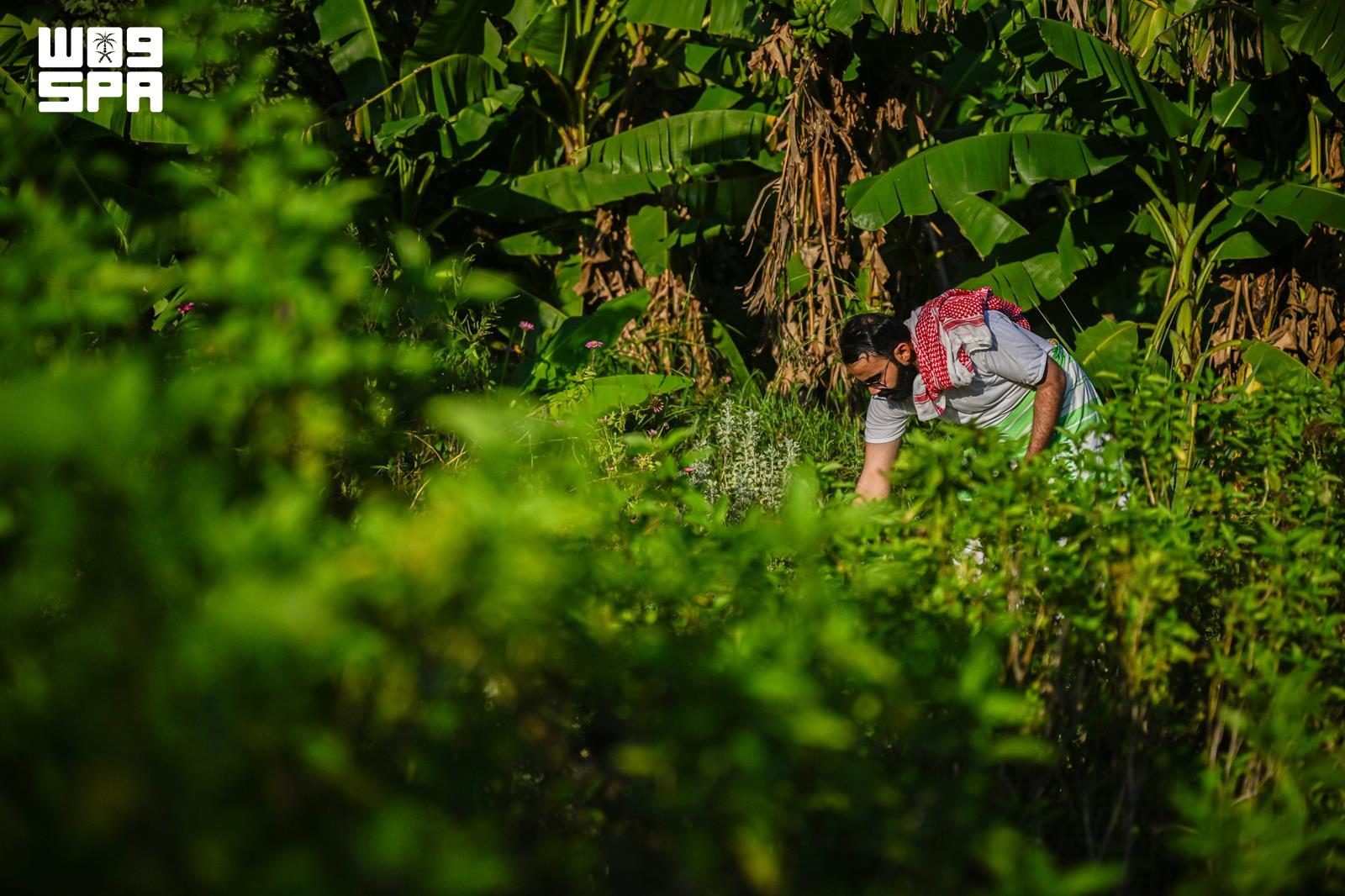
Kadi cultivation is especially notable in the heritage village of Dhi Ain in Al-Makhwah governorate, one of the region’s main centers for growing the plant. The village’s warm and relatively humid climate helps ensure successful cultivation and abundant blossoms.
Kadi trees can reach heights of about six meters. Male trees are distinguished by their fragrant white flowers, while female trees bear fruit resembling pineapples.
Yahya Aref, a member of the Dhi Ain Village Association, explained that the kadi trees found in the village and across the Kingdom are generally of the male variety, which produces aromatic white flowers. He noted that kadi belongs to the pineapple family, and its female trees yield flowers similar to the pineapple fruit.
Kadi blossoms are used to scent homes and guest rooms, and are offered to visitors during celebrations and weddings as a gesture of welcome and respect. Locals often arrange kadi with gardenia, jasmine, and basil leaves to create fragrant bouquets, a tradition closely tied to hospitality and social customs in the region.