

Gene therapy shows promise in halving bad cholesterol levels
A preliminary study has unveiled a new gene therapy strategy that could pave the way for innovative methods to cut bad cholesterol by about half.
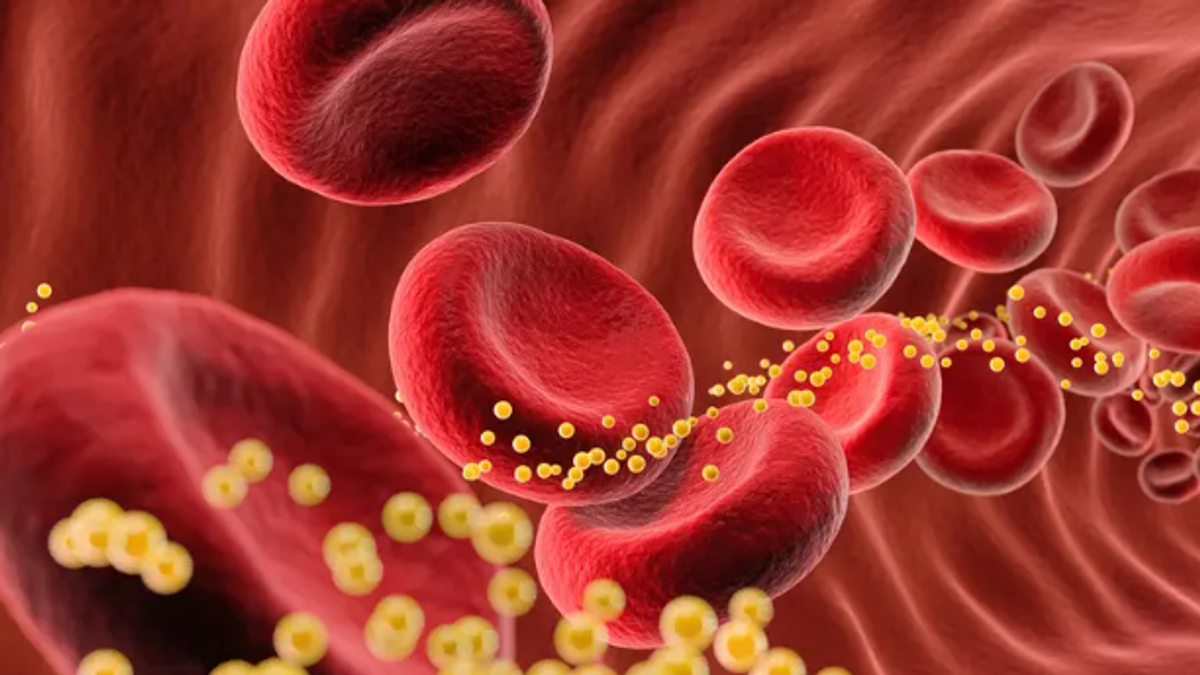
Key Takeaways
AIA preliminary study has revealed a new gene therapy strategy that could pave the way for innovative approaches to reduce bad cholesterol levels by around 50 percent.
The study also suggests a potential alternative to statin drugs, after researchers from the University of Barcelona and the University of Oregon developed this experimental approach by targeting a protein that plays a key role in regulating bad cholesterol, according to Sputnik, citing Science Daily.
This protein reduces the number of LDL receptors on the surface of cells. These receptors help capture bad cholesterol from the bloodstream, so when their numbers decrease, the amount of bad cholesterol remaining in circulation rises.
The results showed that this mechanism successfully lowered levels of RNA and protein associated with PCSK9, while increasing levels of LDLR receptors that help cells remove bad cholesterol from the blood.