

Imam Turki bin Abdullah Royal Reserve records three new Arabian gazelle births in Al-Taysiyah
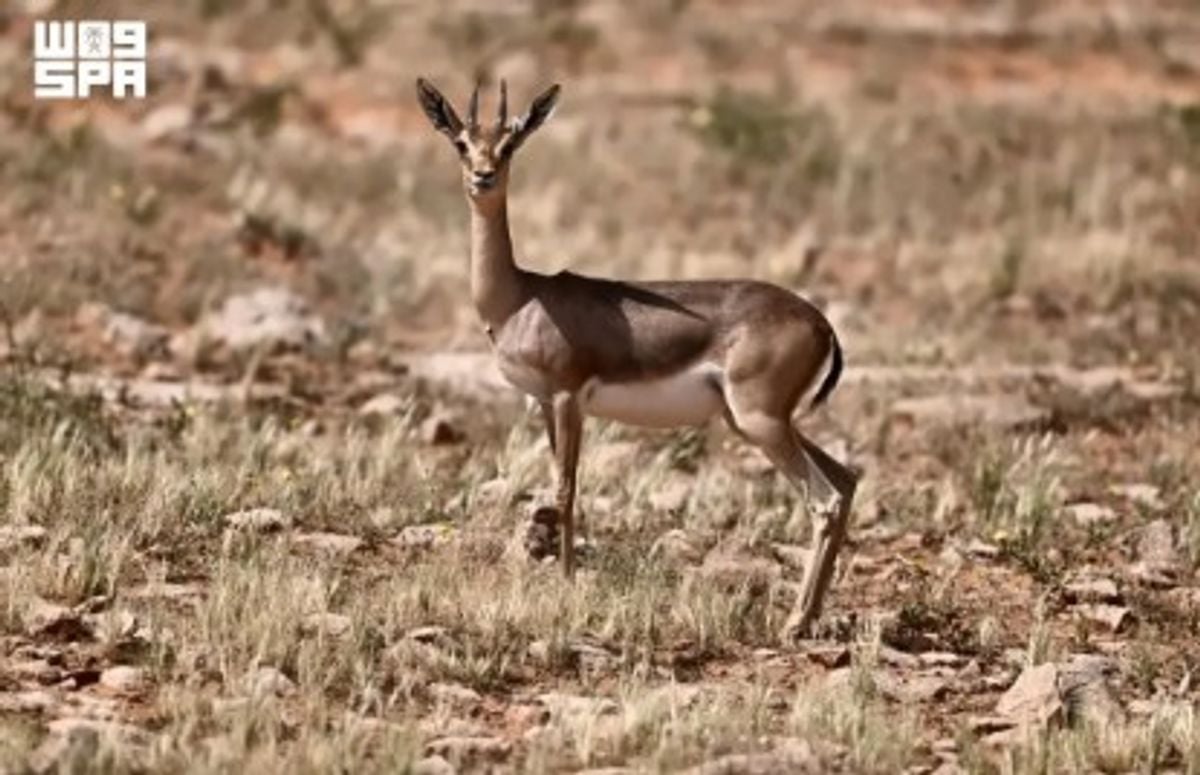
Three Arabian gazelle calves were born in Al-Taysiyah during Q2 2026, reflecting progress in endangered species conservation at the Imam Turki bin Abdullah Royal Reserve.
Key Takeaways
AIThe Imam Turki bin Abdullah Royal Reserve Development Authority has recorded the birth of three new Arabian gazelle calves in the Al-Taysiyah area during the second quarter of 2026. This development highlights the progress of conservation programs for endangered native species and the success of breeding efforts to increase the Arabian gazelle population, supporting the goal of reintroducing the species to its natural habitats and enhancing biodiversity sustainability within the reserve.
The births are part of an integrated approach adopted by the authority to restore native species, starting with breeding and population growth, and extending to habitat protection and preparation for reintroduction. This strategy aims to establish stable populations in their natural environments, transforming breeding programs from mere conservation efforts into a pathway for long-term species recovery and sustainability.
The breeding success of the Arabian gazelle in Al-Taysiyah is seen as an indicator of the advancement of breeding programs and their ability to achieve targeted population growth. It also reinforces Al-Taysiyah's role in the authority’s broader efforts to conserve wildlife, serving as a key area for breeding and developing native species populations in their natural habitats.
Breeding programs are vital tools for restoring native wildlife and preserving biodiversity. Their impact goes beyond increasing population numbers, as they also support the reestablishment and stability of species in their habitats, helping ecosystems maintain and sustain their diversity and restoring balance among their natural components.
The Imam Turki bin Abdullah Royal Reserve Development Authority continues to expand the impact of its wildlife conservation and ecosystem restoration programs. Its approach links species protection with habitat development and sustainability, strengthening the reserve’s contribution to national targets for biodiversity protection and ecosystem restoration, in line with the goals of Saudi Vision 2030 and the Saudi Green Initiative.