

Causes of tooth discoloration and safe ways to restore whiteness
Tooth discoloration is linked to age, enamel wear, and habits like smoking or coffee. A dentist stresses identifying the cause before cosmetic treatment.
Key Takeaways
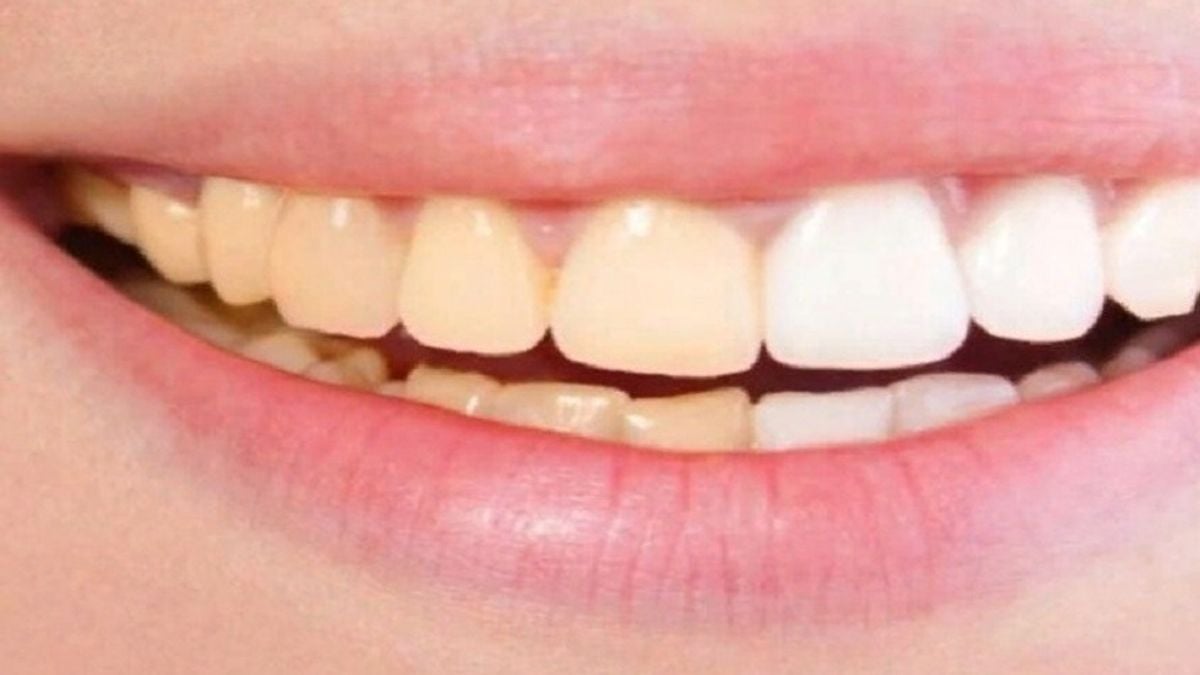
AITooth discoloration is a natural phenomenon that can occur with age, in addition to being influenced by several external factors, according to dentist Kristina Pishchanskaya.
According to gazeta.ru, Dr. Pishchanskaya explains that teeth may gradually lose some of their shine even with regular cleaning and care. This is mainly due to the thinning of tooth enamel, which forms the outer layer of the tooth and is semi-transparent. Beneath the enamel lies the yellowish dentin layer, and as the enamel wears down over the years, the dentin becomes more visible, leading to a change in the overall appearance of the teeth.
Discoloration is not limited to aging. Other factors can contribute, such as tartar buildup, excessive consumption of coffee, tea, or red wine, smoking, and the development of fine cracks in the enamel. Certain medications, dental injuries, and some diseases can also cause changes in tooth color. For this reason, Dr. Pishchanskaya emphasizes the importance of accurately identifying the cause of discoloration before choosing any cosmetic procedure.
Professional cleaning comes first
If the discoloration is caused by surface stains or plaque buildup, professional cleaning by a dentist is the first step to restoring the teeth's appearance.
During cleaning, tartar, biofilm, and surface stains are removed, making the teeth look brighter. However, this does not change the natural color of the teeth, but rather helps restore their original shade and reduces the risk of cavities, as well as preparing the teeth for whitening if needed.
If the tooth color remains unsatisfactory after cleaning, in-clinic whitening procedures can be considered. These use techniques that activate a bleaching agent with light.
This procedure is performed under the supervision of a dentist and after assessing the condition of the enamel. Modern techniques can lighten teeth by several shades without causing mechanical damage to the tissues.