

Khudair sorghum season boosts Jazan farms and markets
Jazan is witnessing vibrant agricultural and economic activity as the Khudair sorghum harvest fills fields and markets with fresh green stalks.
Key Takeaways
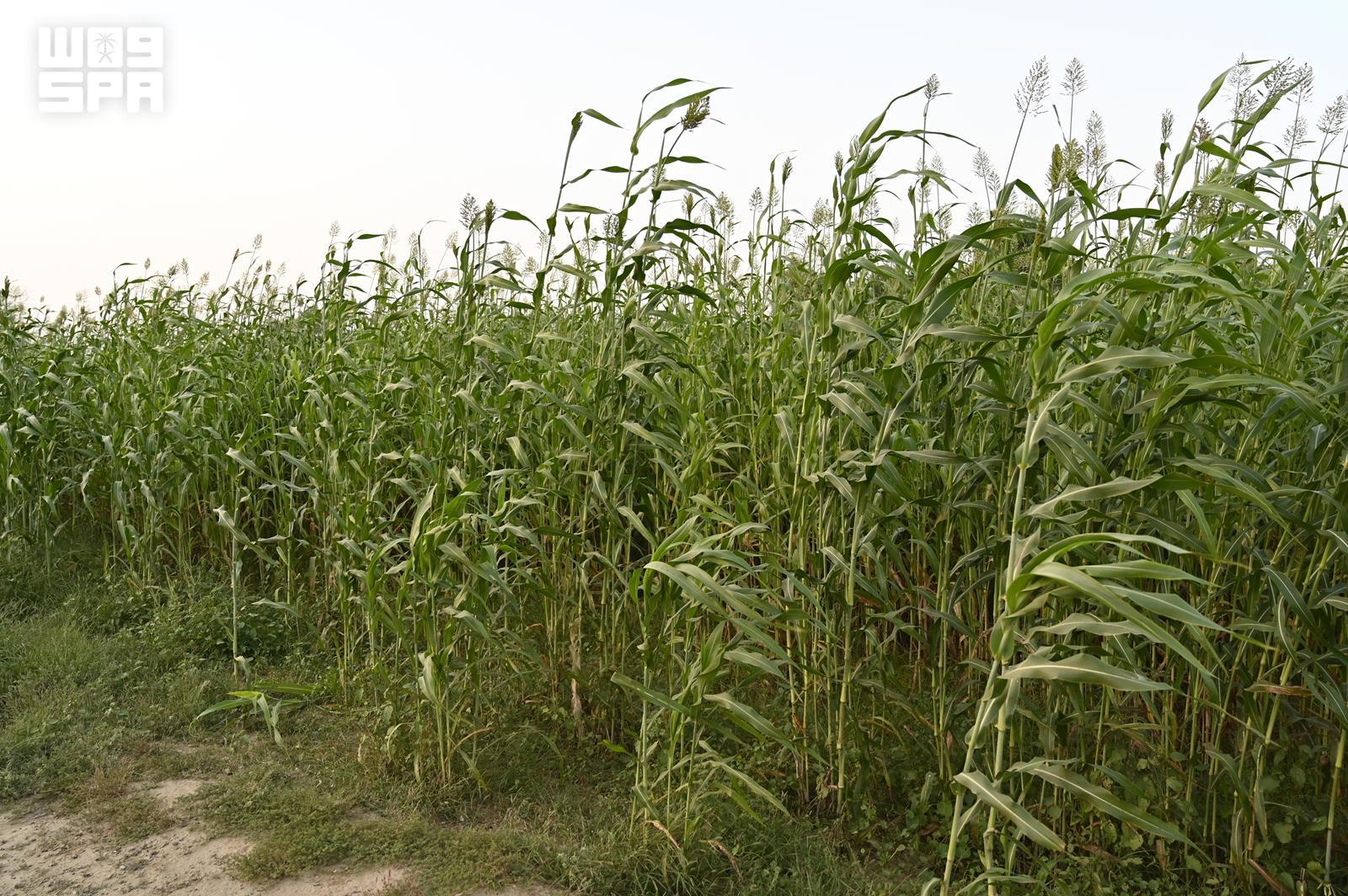
AISorghum farms across Jazan are experiencing renewed activity with the arrival of the Khudair season, a time that blends local culinary traditions with the region’s agricultural heritage. Both white and red varieties of sorghum are cultivated on more than 60,000 hectares, stretching from coastal plains to mountain villages, reflecting the crop’s deep-rooted social and economic significance for Jazan’s residents.
The fields take on shades of yellow-green as farmers begin harvesting the stalks before they fully ripen, a process that requires precise timing to preserve the quality and flavor of the grains. The name “Khudair” refers to the green color of the carefully selected stalks, which are gathered in preparation for transport to homes and markets, following skills passed down through generations.
In local markets, bundles of fresh sorghum stalks dominate seasonal displays, attracting many buyers from the community. The season offers farmers a chance to sell their harvest directly, with prices reflecting the size and quality of the stalks, highlighting the nutritional and economic value of sorghum among local products.
The traditional practice of “khabit,” in which grains are separated from the stalks by hand, remains a key skill. Women then clean, wash, and grind the grains, following meticulous steps inherited by the region’s inhabitants to make the most of their natural resources.
Khudair sorghum holds a special place in Jazan’s cuisine, with families passing down recipes for generations. Dishes include oven-baked bread served with milk or yogurt, “marsa” made from sorghum malt, ghee, and honey, “mafalat,” and boiled or roasted stalks known locally as “shuwait.”
Heritage festivals help showcase the Khudair season as a cultural and tourism event, introducing visitors to the stages of production and traditional preparation tools, and offering insights into the customs surrounding the harvest, reflecting rural life and the community’s bond with the land.