

Jurash archaeological site offers immersive journey into southern Saudi heritage
Visitors to the Jurash archaeological site in Asir are taken on a captivating exploration of a city that once thrived as a hub of trade and culture.
Key Takeaways
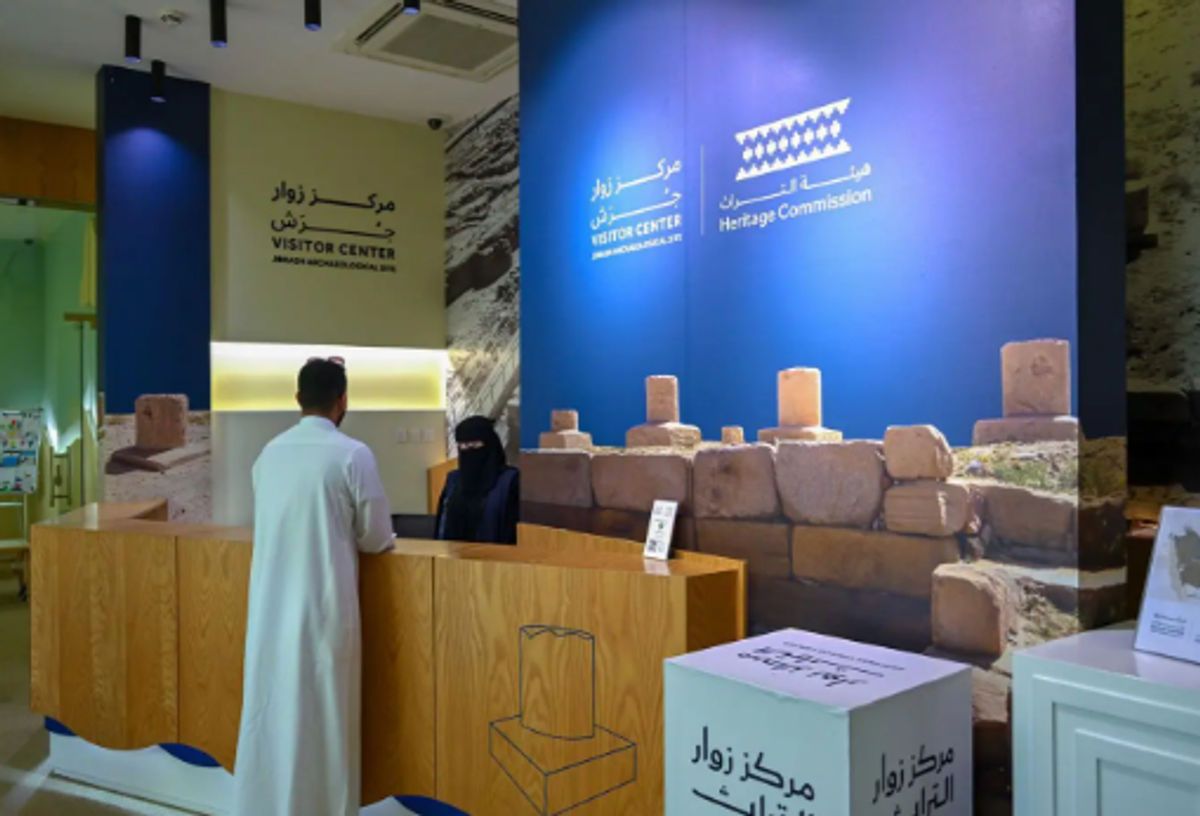
AIThe moment a visitor or tourist passes through the gates of the Jurash Archaeological Site’s visitor center in Ahad Rafidah, Asir, they are greeted with a sense of awe. Quiet walkways, informative displays, and visual presentations guide guests on a journey that begins in the present but quickly opens up to deep historical layers, telling the story of a city that was once a center for trade, pilgrimage, and cultural exchange in southern Arabia.
The visitor center welcomes guests with the help of qualified cultural guides who accompany visitors from the outset, offering a rich and engaging cultural experience. Exhibits range from graphic panels and short films to models and archaeological artifacts, complemented by the guides’ insights to answer questions and deepen visitors’ understanding of the site.
Visitors move through six consecutive stations, starting with an introduction to Ahad Rafidah and its geography, followed by the history of the Jurash site, which dates back to the first millennium BCE. This section highlights Jurash’s significant role, which continued into the early Islamic era.
The tour continues with a short film introducing the archaeological site and ancient city of Jurash, showcasing its history, civilization, key features, and archaeological discoveries.
Another visual presentation explains Jurash’s civilizational importance, situated on the Incense Route and the ancient trade road stretching from northern to southern Arabia, making it a point of contact between local residents and passing caravans.
At the artifacts station, visitors can view a collection of discoveries from the site, including metals, glass, pottery, and stone objects, some displayed in glass cases for close examination.
Information panels note that Jurash’s inhabitants made use of the region’s abundant stone, using it as the main material for building their city and crafting millstones, vessels, lamps, and household tools.
Excavations have uncovered glassware in various colors and notable advances in metalworking, including coins, jewelry, nails, and metal vessels.
The "Archaeological Discoveries in Jurash" station offers a panoramic 360-degree tour, highlighting key finds such as the fortress, water installations, two mosques, rock art, and ancient inscriptions.
More than three decades of ongoing excavations have revealed the foundations of two mosques from the early Islamic period, built atop the remains of a pre-Islamic fortress.
During the fifteenth excavation season in 2023, an ancient well constructed from stone and clay was uncovered, connected to stone channels used to distribute water to nearby residential units—evidence of the city’s advanced water management systems.
In April, the Heritage Commission concluded the seventeenth excavation season at Jurash. According to the commission, this season’s work uncovered residential units from two different periods, their walls built with large, shaped stones and clay mortar. These units, located east of the previously discovered mosque, included rooms with detailed architectural features such as small grain storage areas, clay ovens for cooking, basins, and supports reflecting the local building style of the era.
The commission also documented a stone stele inscribed on both sides in Kufic script, one side dated to Thursday, the 17th of Ramadan, 311 AH (923 CE), providing valuable historical context for the site.
Archaeological finds include stone tools such as pestle fragments, grinders, and a variety of millstones, as well as pieces of plain and glazed pottery, glassware, and vessels carved from steatite.
The visitor’s journey at Jurash extends beyond archaeological evidence to include the architectural heritage of Asir. A short film contrasts mountain and mudbrick architecture, showcases traditional villages, and highlights the unique Al-Qatt Al-Asiri art, recognized by UNESCO as intangible heritage.
At the end of the visit, guests learn about the traditional crafts of Jurash and Asir, including leatherwork known as "Adeem Jurashi," metalwork for weapons, vessels, and jewelry, and pottery that was essential to daily life.
Jurash represents the remnants of successive civilizations in southern Arabia, flourishing for centuries before fading away. Its ruins testify to ongoing historical transformations and highlight its status as a sophisticated, fortified city known for agriculture, industry, and skilled craftsmanship.
Today, the ruins of Jurash lie in the heart of Ahad Rafidah, about 30 kilometers east of Abha, flanked by Mount Hamoumah to the east and Mount Shakar to the west.
A prominent feature at the site is a rock carving in high relief depicting a lion attacking a bull, with an inscription in Musnad script beneath reading "Thawrun Naaman wa Asadun Malqa," dating to the first century CE—an enduring symbol of strength and fortification.
Jurash was also renowned for its diverse industries, including tanning, pottery, and military manufacturing such as catapults and ballistae, as documented in historical sources that detail the city’s significance and the work of its people.
The Jurash visitor center offers all content in both Arabic and English, along with support services such as shaded areas and wheelchairs to enhance and broaden the visitor experience.
Through the synergy of the archaeological site and the visitor center, Jurash is emerging as a promising cultural and tourist destination in Asir, where visitors encounter the enduring legacy of a civilization whose traces remain visible in the city’s ruins and artifacts—affirming that Jurash was not merely a stop along an ancient route, but a vibrant center that shaped the history of southern Arabia.