

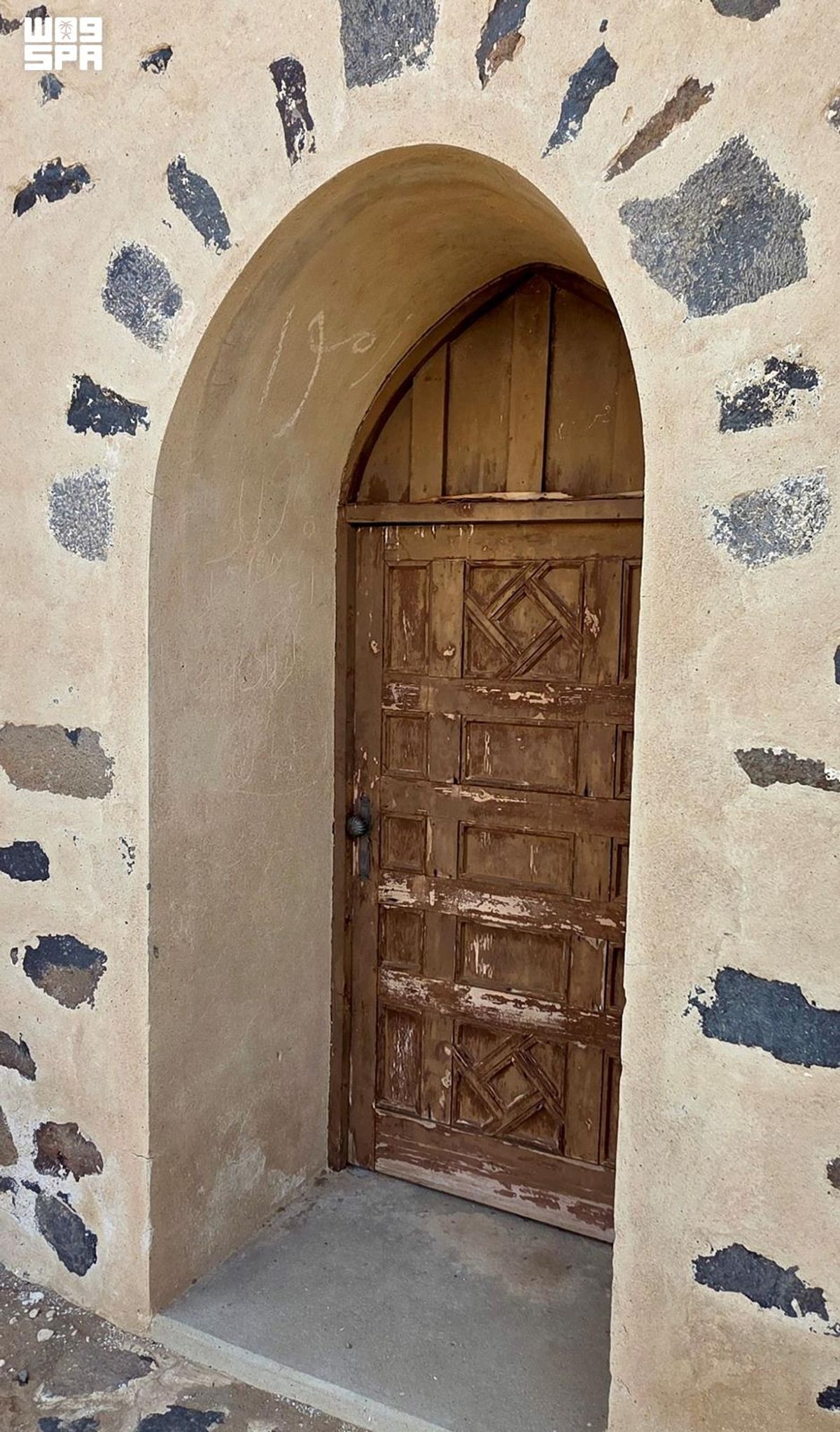
Historic wooden doors in Makkah reflect architectural heritage and craftsmanship
Makkah’s old wooden doors showcase intricate decoration and skilled craftsmanship, offering a glimpse into the city’s architectural and social history.
Key Takeaways
AIThe old wooden doors of Makkah embody a significant part of the city’s architectural and social history, featuring artistic carvings and decorations that highlight the skill of Makkah’s carpenters and the diverse architectural influences shaping the identity of traditional homes.
Makkah has long been renowned for its artisanal woodworking, with craftsmen producing doors, windows, and rawasheen, as well as crafting ornate wooden ceilings adorned with geometric patterns and inscriptions tailored to each building’s nature and the owner’s means. Historical records document the expertise of these artisans in both homes and palaces across the city.
Traditional Makkah doors are distinguished by their wooden construction and detailed craftsmanship, including the assembly of panels, reinforcement with beams, use of decorative inlays and strips, and incorporation of metal elements. Doors varied from single to double panels depending on the entrance size and function, with ornamentation ranging from simple to highly elaborate.
The making of these doors was influenced by the variety of woods available in Makkah and the city’s religious and commercial significance, which brought diverse artisanal skills. The choice and shaping of wood depended on the door’s intended use and size, resulting in a wide range of styles and details from one home to another.
The artistic value of these doors extended beyond woodwork to include their metal knockers and handles, which further showcased the craftsmen’s skill, even in the smallest components.
An archaeological study by researcher Dr. Nasser bin Ali Al-Harithi highlighted the diversity of metal elements used in Makkah’s doors, documenting seven artistic styles of door knockers made from copper and bronze. These included the circular ring, wavy ring, heart, vertical rosette, serrated leaf, rings ending in a palm fan, and the horizontal oval ring.
The study also recorded various local names for door knockers, such as shamsa, halqa, madq, madqa, sama’a, matq, matqa, and miqra’a, noting their role in seeking permission before entering homes and the variety of their shapes and designs.
Some historic sites still preserve examples of traditional doors and their details, such as the Kobar Palace and Al-Rawdah Mosque in Al-Jumum Governorate, which stand as testaments to the woodworking and decorative arts associated with Makkah’s architecture.
With the urban transformation of Makkah, the craft of traditional door-making has declined. However, the remaining examples in buildings and heritage collections continue to bear witness to an important era in the city’s architectural and artisanal history, underscoring the need to document and preserve this architectural legacy.
The old doors of Makkah exemplify the integration of craftsmanship in preparing, assembling, carving, and shaping wood and metal parts, remaining key architectural features that preserve the character of traditional homes and document aspects of Makkah’s history and the lives of its residents.