

Global road deaths fall 21% despite one billion more vehicles: WHO
WHO reports a 21% drop in global road traffic deaths from 2011 to 2025, even as over one billion vehicles were added worldwide during the same period.
Key Takeaways
AIThe World Health Organization has announced a 21 percent decrease in global road traffic deaths between 2011 and 2025, even as more than one billion vehicles were added to the world’s roads during this period. The announcement coincided with the UN General Assembly’s adoption of a new declaration on road safety progress.
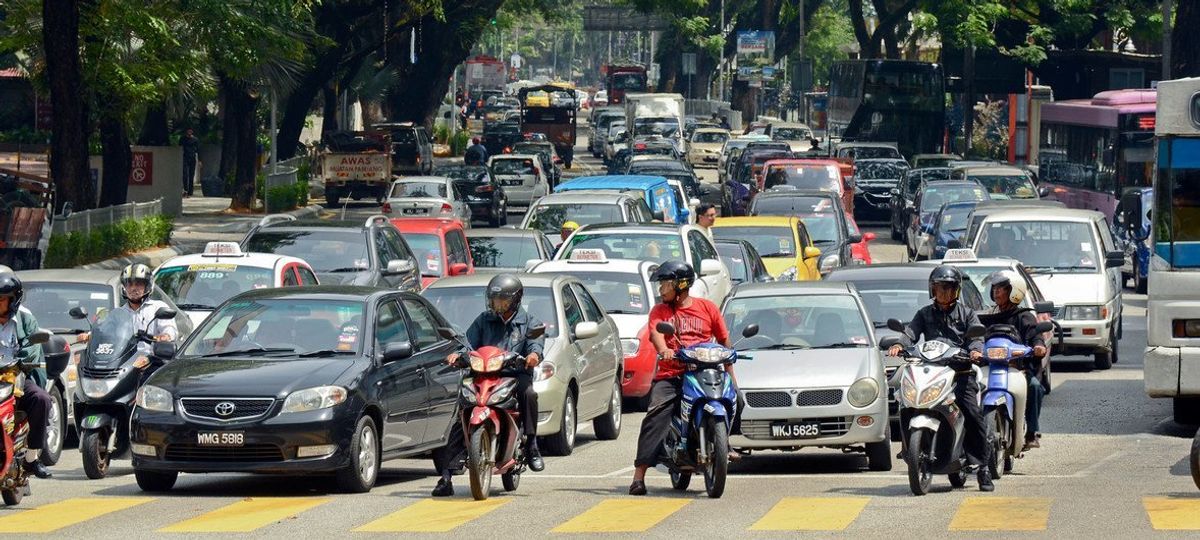
The UN agency noted that the world has seen major changes in mobility patterns over these years, including the emergence of new transport modes and a sharp rise in motorcycle use. Despite this progress, road crashes claimed around 1.16 million lives in 2025, and injuries from such incidents remain the leading cause of death among children and young people aged 5 to 29.
WHO Director-General Tedros Adhanom Ghebreyesus said this progress shows that change is possible when countries invest in safe road systems. “Over the past fifteen years, we have made real progress in reducing road traffic deaths, despite the significant increase in vehicles and major shifts in mobility patterns,” he said.
The WHO chief praised countries for adopting the ambitious political declaration, which aims to accelerate efforts to design roads that prioritize people over vehicles and make safety a top priority. He stressed that all road traffic deaths are preventable and that none should be considered acceptable.
The new UN declaration includes a comprehensive set of commitments by member states, such as developing national road safety strategies with clear targets, timelines, and budgets; establishing national bodies to lead road safety efforts; improving data collection and analysis; enacting and enforcing stricter legislation; and ensuring that roads, infrastructure, and vehicles meet basic safety standards.
The declaration also commits to implementing a “safe system” approach, which recognizes that people will continue to make mistakes on the roads. This approach aims to design safer roads, infrastructure, and vehicles, set appropriate speed limits, and enact laws that account for human error, ensuring that the consequences of crashes remain survivable.
Additionally, the declaration calls on governments to take a leading role and urges the private sector to prioritize road safety throughout supply chains. It also acknowledges the important roles played by civil society organizations, academia, youth, charities, and the United Nations in advancing progress.