

Old shops: closed doors, open memories in Saudi heritage
Once the heart of neighborhoods and villages, old shops in Saudi Arabia now stand silent, their stories and social legacy echoing through generations.
Key Takeaways
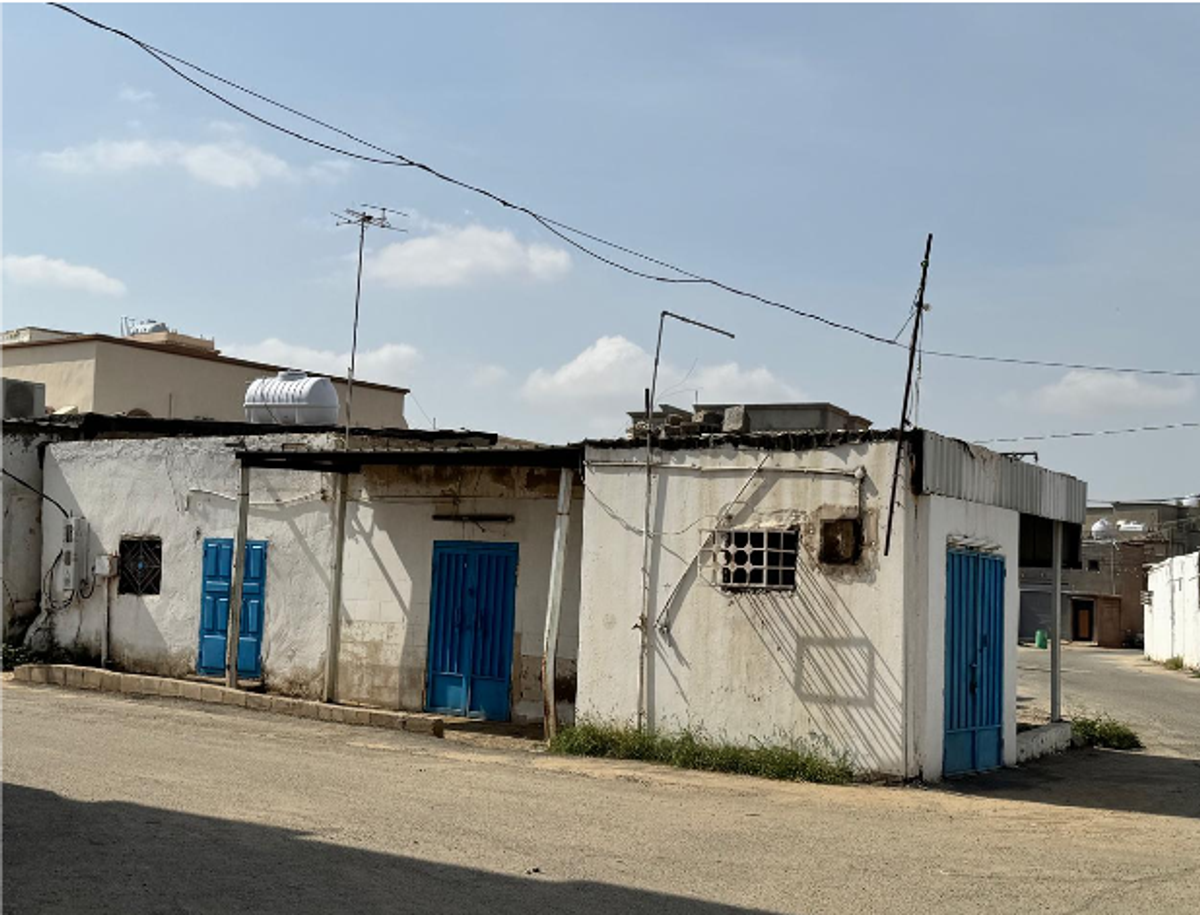
AIOld shops in Saudi neighborhoods and villages were never just small stores selling daily necessities. They were open stories of life, social memory banks preserving the details of a bygone era, when people lived simply, relationships were genuine, and gatherings needed no appointment.
Behind their wooden doors and modest shelves, elders spent years working and striving, opening for business at sunrise and greeting locals with familiar faces and sincere smiles. These shops became woven into daily life, a landmark etched in the memories of every resident.
But times changed. Years passed, markets expanded, and large supermarkets and modern malls appeared. The small shops faded, their lights dimmed, and many closed their doors, leaving behind silent buildings that, for those who pause to look, tell the story of a different chapter in the community’s life.
More than just buying and selling
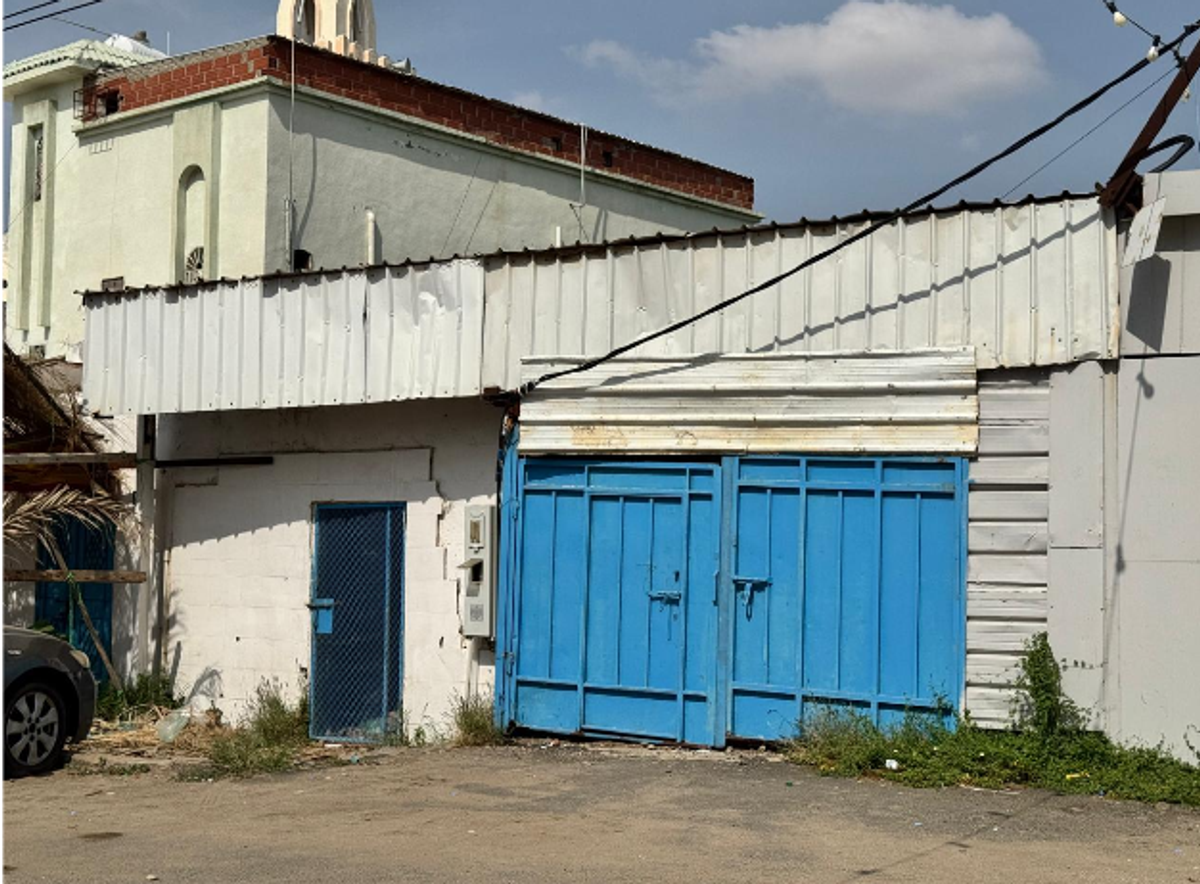
In the past, entering a shop was not always about buying something. These places were daily meeting points where locals exchanged news, shared stories, and contributed to the collective memory of villages and neighborhoods.
Elders would gather to reminisce and discuss community affairs, while passersby would stop to greet each other and ask after those absent.
With their simplicity, these shops served as open social salons, requiring no appointments or invitations—just a passerby finding a familiar face, a known voice, and a story worth hearing.
What remains most cherished in people’s memories is not the goods once sold, but the human connections, daily moments, and familiar faces that brought the community together before the distractions and changes of modern life.
Elders: stories of perseverance behind closed doors
The owners of these shops built their livelihoods through hard work, their names inseparable from their stores, making the shop an extension of their identity and social presence.
Everyone knew them, young and old. Locals relied on them for their needs, and a sense of trust and familiarity extended beyond mere transactions.
Modern commercial competition was not the norm back then. Personal relationships, good reputation, and longstanding bonds between seller and buyer defined daily dealings.
Often, the shopkeeper knew his customers’ needs, remembered their names, followed their news, and welcomed them as guests rather than just shoppers.
As years passed, some of these men passed away or retired after long journeys of hard work. Their shops remain as witnesses to lives lived, hands that toiled, livelihoods earned, and memories still alive for those who knew them.
From humble shelves to sprawling markets
The disappearance of old shops was not isolated from broader social changes. Consumption patterns shifted, towns and villages grew, and shoppers gained more choices as modern markets offered a wide variety of products under one roof.
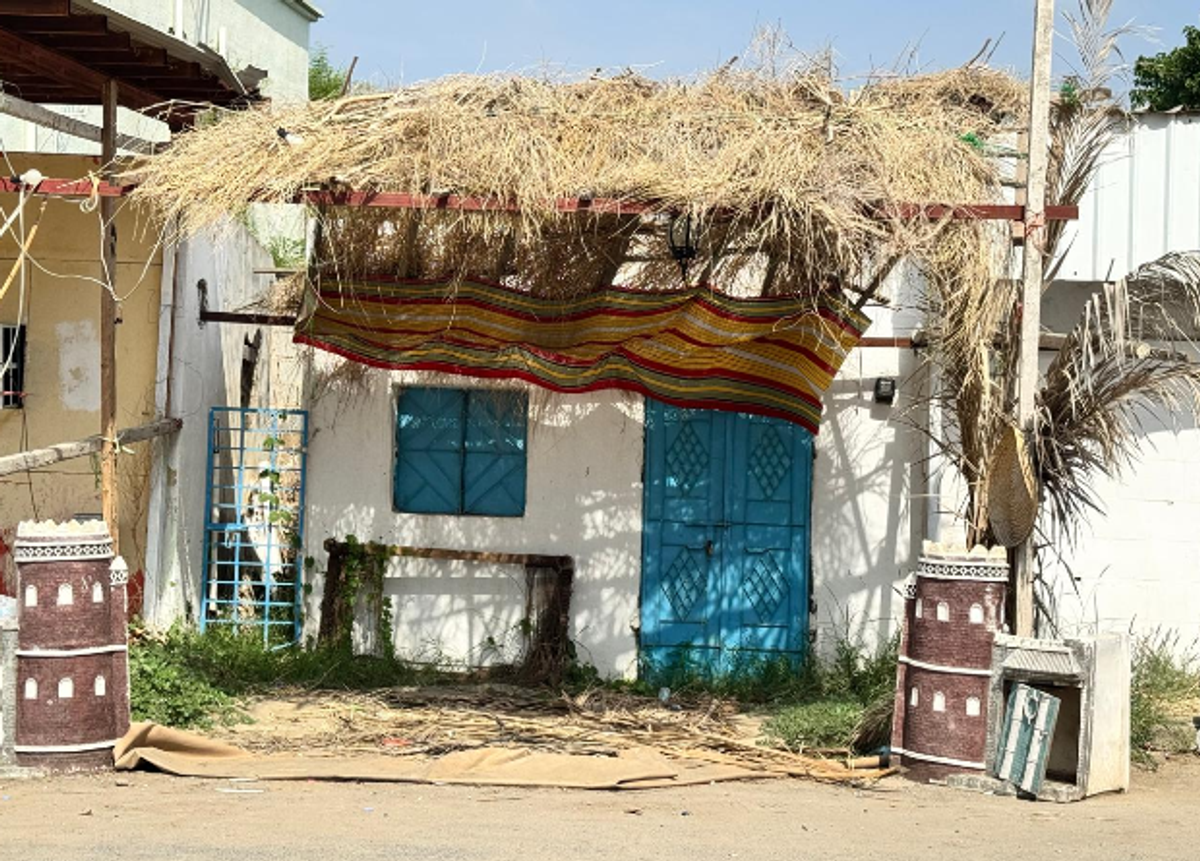
With these changes, small shops lost much of their competitive edge. Some closed gradually, while others lingered on quietly or became abandoned buildings barely noticed by passersby.
Yet the loss is not just commercial. When an old shop closes for good, a piece of the place’s memory may vanish, and a space for spontaneous social interaction disappears.
Markets have evolved and shopping has become easier—a sign of progress that cannot be ignored. But the closed doors of these shops raise a question: Can we preserve the memory of the past as we move confidently toward the future?
Closed doors, open questions
Today, some old shops stand behind locked doors, their facades covered in dust, their walls seemingly waiting for a visitor who knows their story.
People pass by without stopping, and the younger generation may know little of their role in the lives of parents and grandparents, or of the days when these shops were landmarks of neighborhoods and villages.
But those who lived through that era may pause before one, recalling the shopkeeper’s face, his seat, the way he welcomed customers, the conversations that took place, and the faces that passed by every morning.
Such details may seem ordinary to outsiders, but for those with memories, they are part of a life that cannot be revived, no matter how much markets develop or shopping methods change.
Places do not always lose their value when they cease to function. Over time, they may gain historical and social significance, holding evidence of people’s lives and the evolution of society.
Do old shops deserve a new chance?
The sight of closed shops raises an important question about documenting this cultural heritage and sharing the stories of their owners before time erases what remains.
These shops could provide rich material for journalistic and social documentation—through photographing their old facades, recording testimonies of elders, and collecting related photos and stories—to preserve a slice of daily life history for future generations.
Where possible, and if building conditions allow, some could be restored or repurposed for cultural and heritage initiatives, introducing visitors to the commercial and social life of the past.
Preserving the memory of a place does not mean rejecting progress. It means moving toward the future without losing touch with our roots, recognizing that behind every old building is a human story, and behind every closed door is a tale worth telling.
A memory whose doors never close
Old shops are more than buildings that lost their commercial role; they are witnesses to a time when people lived simply and human relationships gave places their value. The shopkeeper was a familiar face in the daily life of the neighborhood or village.
Doors may close, goods may disappear from shelves, and owners may be gone, but memories linger and are not easily erased by modern markets.
Some places are not valued for what remains inside, but for what they left in the hearts of those who passed through.
Today, old shops stand quietly at the edge of memory, recalling a time gone by and reminding us that, no matter how much progress is made, some simple details remain irreplaceable.
These are doors closed to commerce, but still open to the stories of the past—witnesses to a beautiful era that lives on in people’s memories.