

Najran’s mudbrick decorations reflect a rich cultural heritage
Traditional motifs and carvings in Najran’s historic mudbrick homes showcase the region’s identity and the ingenuity of its architectural legacy.
Key Takeaways
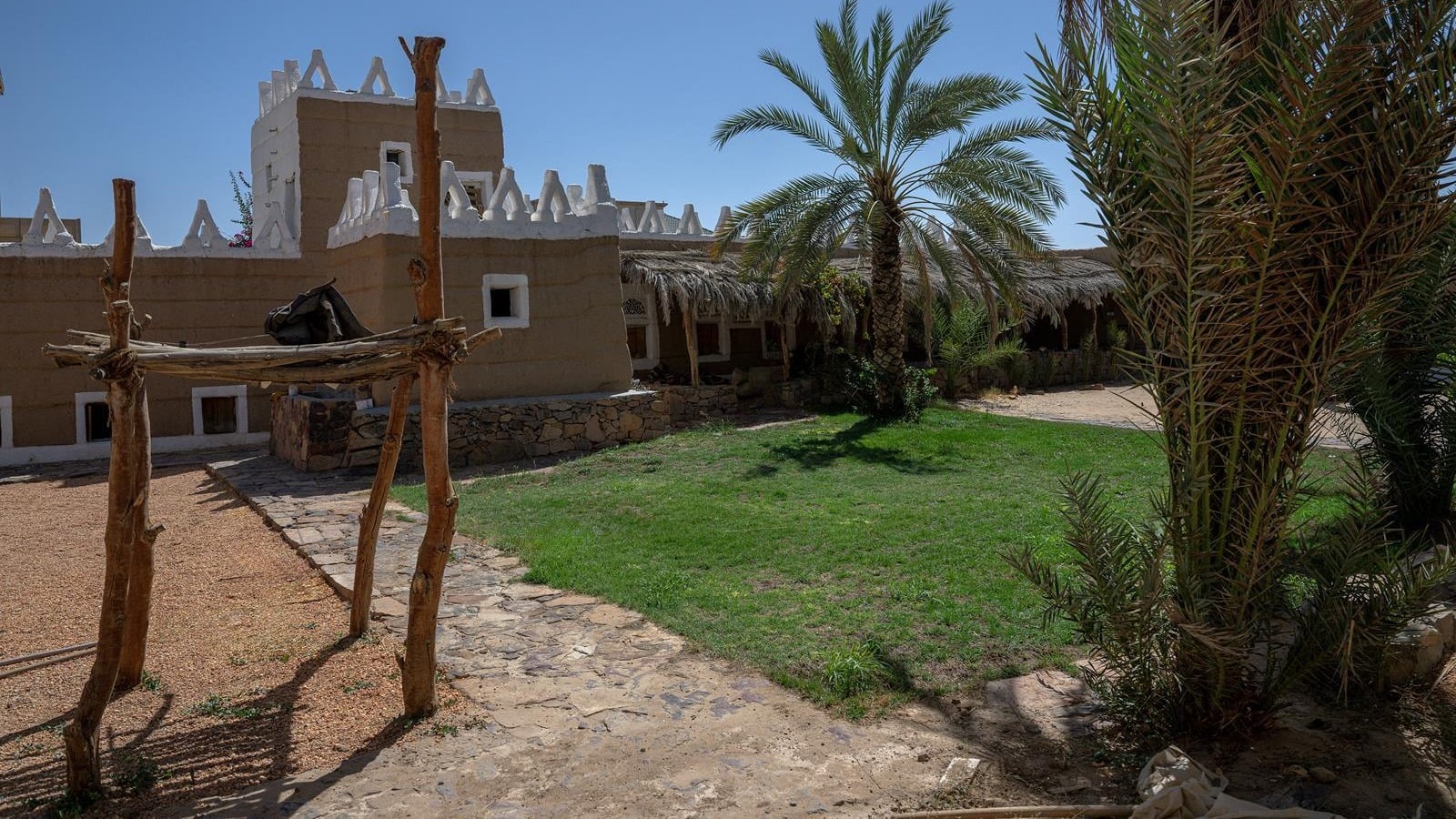
AIThe ancient mudbrick houses and palaces of Najran stand as living testaments to a deep-rooted civilization, blending construction expertise with architectural beauty. These buildings have evolved beyond mere dwellings to become vibrant works of art, adorned with distinctive motifs and carvings that form a core part of their visual identity, attracting tourists and cultural heritage enthusiasts alike.
Decorative elements in Najrani architecture range from raised reliefs to geometric and symbolic patterns. Ornamental friezes, known as “afareez,” encircle shelves, doors, and windows, adding visual depth and breaking the monotony of earthen walls.
Aesthetic and functional dimensions
Local traditional building expert Nasser Mubarak Al-Suqoor explained that these decorations serve not only an aesthetic purpose but also a functional one. Najrani builders used clay mixed with straw or “ashnan” to create architectural features such as “sharareef”—hollowed triangles that adorn rooftops at calculated heights, protecting walls from rainwater while adding a majestic touch. The carvings are characterized by warm, nature-inspired colors such as red, green, yellow, and black.
Colors inspired by the local environment
Najrani architecture draws its palette from the surrounding environment using innovative techniques: green is extracted by boiling clover, red from pomegranates and iron oxide-rich rocks, and black from plant-based tar. Al-Suqoor noted that Najran’s geographic location contributed to this diversity, as pilgrims from Yemen, India, and Pakistan brought colorful pigments like “indigo blue,” enriching the traditional color spectrum.
The triangle: a defining geometric motif
Triangles are the principal geometric element in Najrani carvings, with patterns beginning as repeated triangles whose lines move upward and downward in sequence, creating a dynamic visual rhythm on the walls. Designs also feature circles divided into triangles, each painted a distinct color, with rare hues reflecting the homeowner’s affluence.
Women’s role in decorating mudbrick homes
On the social front, Najran’s women—especially young girls—were traditionally responsible for creating and coloring interior decorations, engaging in a spirited artistic ritual to showcase their skills and passion for beauty. The quality of the motifs was seen as a sign of the home’s blessing and the family’s status, making decoration a reflection of Najran’s cultural and social prosperity.
The motifs and drawings in Najran’s mudbrick houses are considered historical and artistic records, crafted by local hands using natural materials and imagination. As these palaces become tourist destinations, their decorations remain enduring evidence of architectural genius that transformed clay into timeless masterpieces.