

Qassim’s Northern Route offers six heritage and nature stops for Saudi Winter 2026
The Northern Route in Qassim features six diverse tourist stops blending heritage sites and palm oases as part of the Saudi Winter 2026 program.
Key Takeaways
AIThe Northern Route in Qassim province invites visitors to explore six tourist destinations across Buraidah, Al-Mithnab, Unaizah, Al-Rass, Al-Bukayriyah, and Uyun Al-Jiwa, as part of the Saudi Winter 2026 program. The route stretches 1,200 kilometers from Riyadh to Jubbah in Hail.
The stops offer a variety of experiences, including heritage buildings, traditional markets, natural sites, and agricultural activities, all highlighting the region’s cultural and rural identity. Visitors can enjoy fruit picking, handicrafts, traditional Najdi life, and explore both historical and natural landmarks.
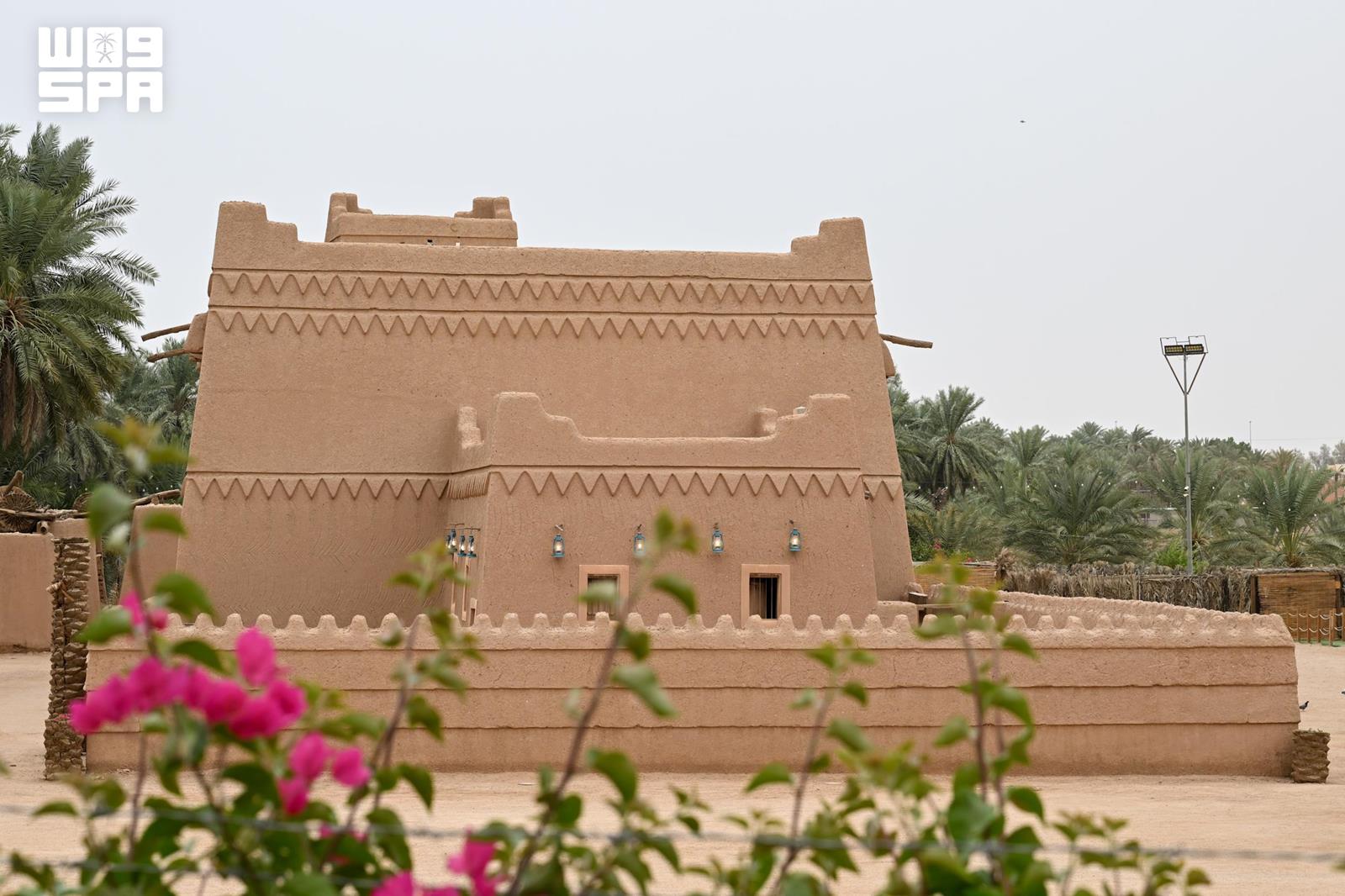
In Buraidah, highlights include the Date Market, the Aqilat Museum, Quba Rashid Market, and Al-Dubaikhi Palace, as well as farms and orchards that provide a unique rural experience. Al-Mithnab features a heritage village, Al-Majlis Market, Khartoum Park, and is renowned for its red Sukkari dates.
Unaizah offers Al-Bassam House, Al-Subaie Palace, Al-Masouqaf Market, and the Palm Avenue, along with equestrian activities and handicrafts. Al-Rass is home to the historic Al-Shanannah Watchtower, Old Al-Rass, and Wadi Al-Rummah. Uyun Al-Jiwa features Antar Rock, a heritage village, traditional crafts, and local cuisine.
Al-Bukayriyah stands out with Al-Suwailem and Al-Rajhi heritage enclosures, the Sawaki Avenue, October Farm, and the Jabal Saq trail, where agricultural and local heritage blend.
Salman Al-Suwaiyan, a member of the Qassim Tourism Committee, said the Northern Route reflects the integration of tourism, cultural, and agricultural assets, transforming rural farms into tourist destinations where visitors can experience rural life, adding value and creating investment opportunities for residents.
Al-Suwaiyan added that the diversity of agricultural production in Qassim is a key driver for innovative tourism experiences, helping to extend visitor stays, boost the local economy, and reinforce the region’s status as a destination for rural and cultural tourism, where visitors can immerse themselves in the area’s identity and explore its history and present.