

Harrat Al-Ras Al-Abyad reserve in Khaybar added to global protected areas database
The Royal Commission for AlUla has registered the Harrat Al-Ras Al-Abyad nature reserve in Khaybar in both national and global protected area databases.
Key Takeaways
AIThe Royal Commission for AlUla, in coordination with the National Center for Wildlife, has announced the registration of the Harrat Al-Ras Al-Abyad nature reserve in Khaybar, Madinah region, in both the national database of protected areas and the World Database on Protected Areas (WDPA).
The reserve covers 600 square kilometers and is the sixth site in the commission’s protected area network, which spans a total of 12,107 square kilometers. The registration is part of efforts to develop the protected area system, document its natural components, and enhance management based on scientific principles to ensure sustainability.
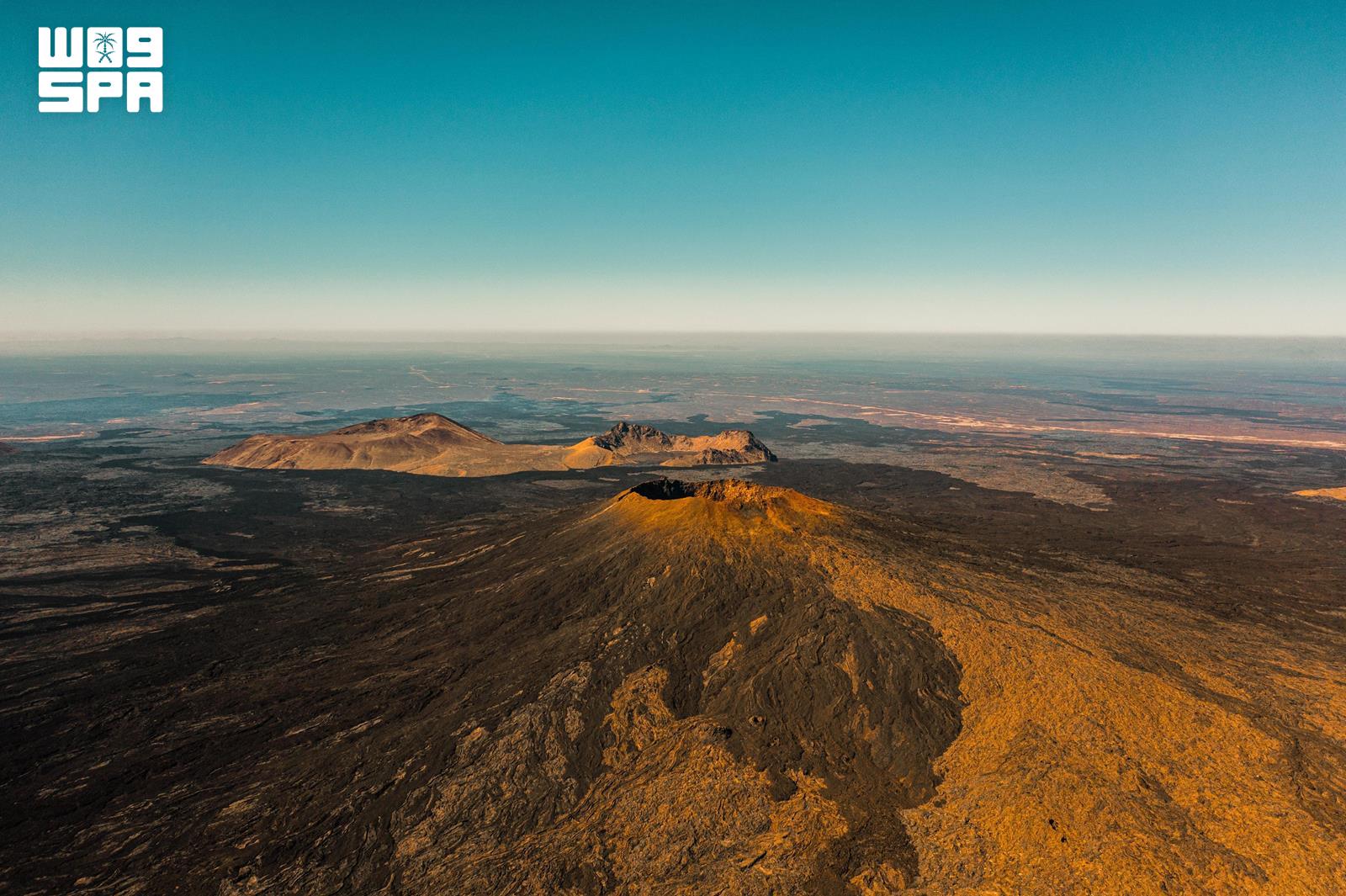
Located within Harrat Khaybar, one of the largest volcanic fields in the Arabian Peninsula, the reserve features a striking geological landscape where white volcanoes sit alongside black basalt fields. The white formations are colored by volcanic comendite rocks, and the area contains three rare white volcanoes: Jabal Al-Bayda, Jabal Al-Abyad, and Jabal Al-Mansaf, making it significant for the study of geological diversity and volcanic history.
The reserve is classified as Category III under the International Union for Conservation of Nature (IUCN) management categories, focusing on the protection of natural monuments, biodiversity, and habitats. Notable features include the Umm Jarsan Cave, one of the longest lava tubes in Saudi Arabia, stretching about 1,481 meters.
Initial surveys by the commission have recorded around 99 plant species, 14 mammal species, 18 reptile species, and 59 bird species, including the endangered Egyptian vulture. The commission has also documented suitable habitats for the Nubian ibex, with ongoing species inventory and data updates to deepen understanding of the reserve’s environmental assets.
The reserve’s development followed a scientific methodology, including environmental, geological, and cultural assessments conducted between 2022 and 2024 in cooperation with the IUCN. An executive management plan for 2024–2029 has been prepared, providing a framework for protection, management, and monitoring to safeguard the site’s natural and cultural values.
The commission continues to work toward greater international recognition for the area by meeting the requirements for UNESCO’s Global Geoparks program and the IUCN Green List, supporting the conservation of geological heritage and improving protected area management.
The registration aligns with the Royal Commission for AlUla’s strategy to restore ecosystems, protect natural habitats, biodiversity, and geological heritage, as part of the Saudi Green Initiative’s goal to protect 30% of the Kingdom’s land and marine areas by 2030.