

Moon and Pleiades cluster align in rare pre-dawn sky event
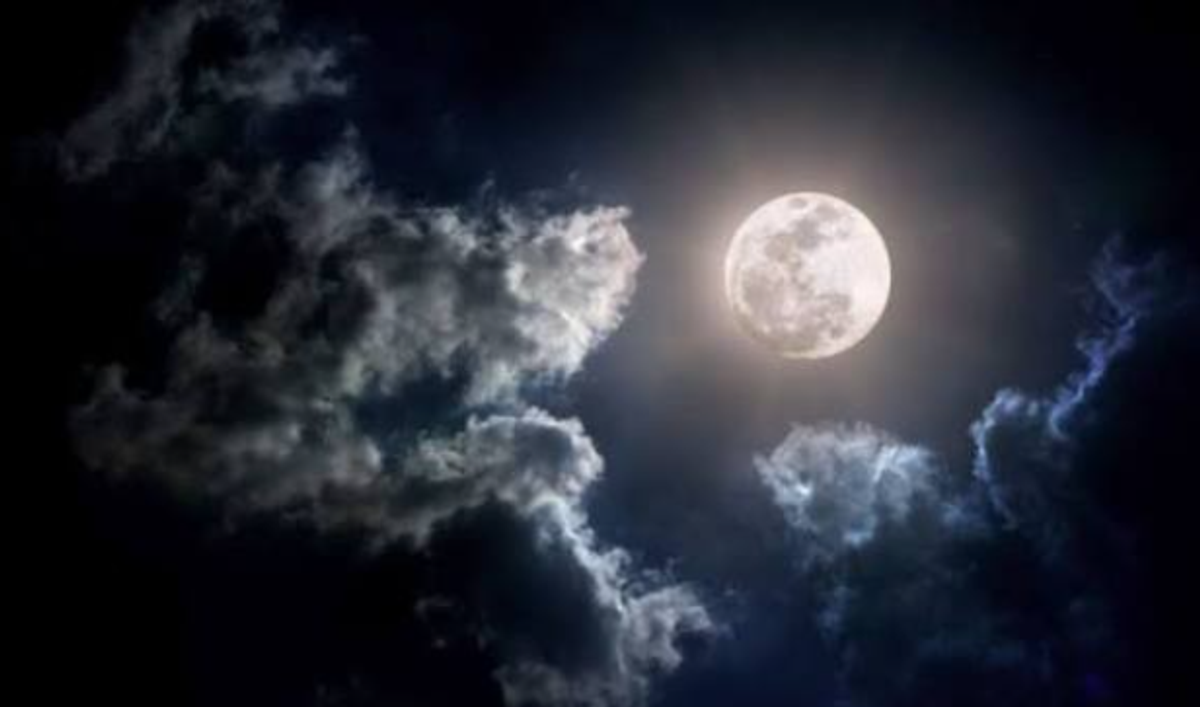
A striking celestial alignment between the waning gibbous moon and the Pleiades star cluster was visible across Saudi Arabia and the Arab world early Wednesday.
Key Takeaways
AIThe skies over Saudi Arabia and the wider Arab world witnessed a striking celestial alignment early Wednesday, as the waning gibbous moon appeared close to the Pleiades star cluster, also known as the “Seven Sisters.” The event was visible to the naked eye, while binoculars offered a clearer view of the cluster’s stars.
Majed Abu Zahra, President of the Jeddah Astronomical Society, said the conjunction occurred at 4:11 a.m. Mecca time, with the moon and Pleiades separated by about one degree in the sky. He noted that the moon, having passed its full phase on October 26, could outshine some of the cluster’s fainter stars.
He explained that the Pleiades is an open star cluster in the constellation Taurus, astronomically designated as “M45,” located about 440 light-years from Earth. The cluster contains many stars, though typically only six or seven are visible to the naked eye depending on viewing conditions.
Abu Zahra highlighted the Pleiades’ prominent role in Arab astronomical heritage, as its seasonal appearance is linked to changes in the seasons and traditional calendars. He emphasized that the moon’s conjunction with the cluster is a visual phenomenon and does not affect weather or climate.
He added that the event could be observed from late Tuesday night until dawn on Wednesday, with binoculars recommended and viewing best from areas away from light pollution. In some regions, certain Pleiades stars may be hidden behind the moon, depending on the observer’s location.
Abu Zahra stressed that the proximity between the moon and Pleiades is only apparent, as the moon is about 384,000 kilometers from Earth on average, while the Pleiades are hundreds of light-years away. He said the event offered a special opportunity for astronomy enthusiasts and photographers to capture one of October’s notable sky scenes.