

Farasan Islands secures three major global environmental recognitions
Farasan Islands Reserve has cemented its global standing with three major international accreditations for nature conservation and biodiversity.
Key Takeaways
AIFarasan Islands Reserve in the Jazan region has established itself as a global model for nature conservation after receiving three consecutive international recognitions, highlighting its environmental distinction and vital role in preserving biodiversity.
The National Center for Wildlife Development stated that Farasan Islands Reserve was included in UNESCO’s Man and the Biosphere (MAB) Programme in 2021, joined the Ramsar List of Wetlands of International Importance in 2025, and was added to the IUCN Green List in 2026. This places the reserve among sites that implement the highest standards of environmental management and biodiversity conservation.
Unique biodiversity and rare habitats
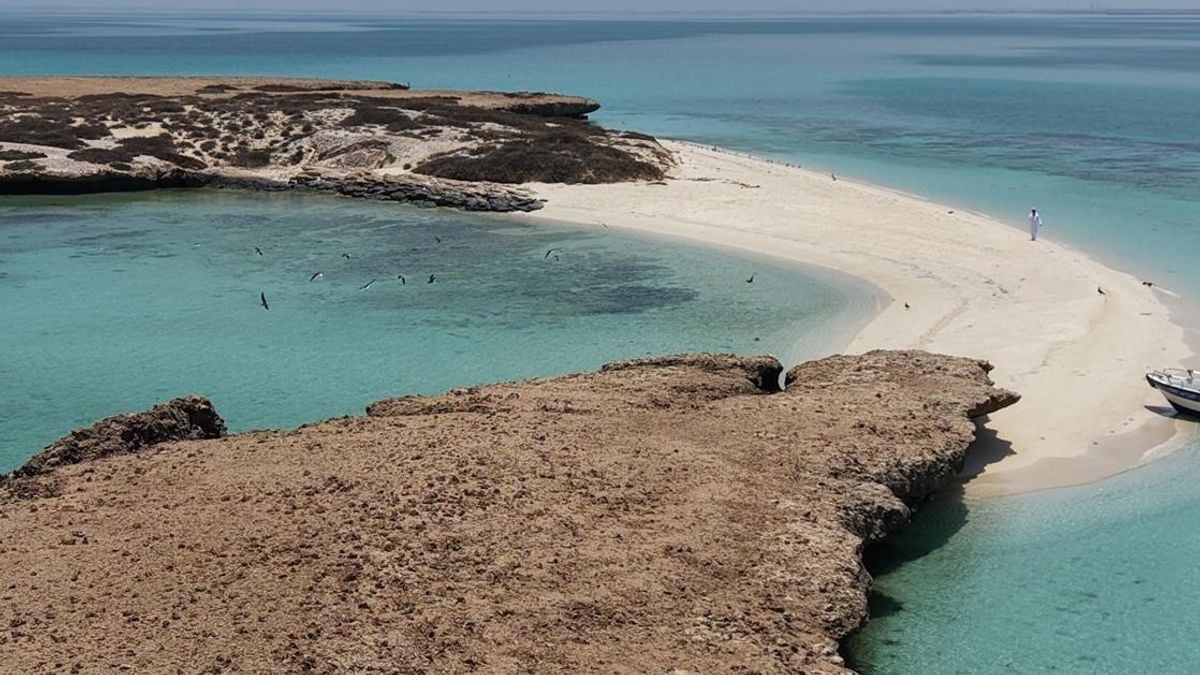
The Farasan Islands Reserve covers 5,657 square kilometers and comprises an archipelago of more than 266 coral islands. It is home to rich biodiversity, including 180 plant species, 150 bird species, and 230 fish species.
The reserve is also a rare natural habitat for the Farasan gazelle, and features mangrove forests and coral reefs. It serves as a sanctuary for endangered species such as marine turtles and dugongs.
Leading tourist and historical destination
In addition to its environmental significance, Farasan Islands boasts historical and cultural sites, making it a unique tourist destination in the Red Sea. The reserve supports a balance between protecting natural resources and meeting sustainable development needs, in line with global best practices.