

Five signs you may need to cut back on protein intake
Experts warn that excessive protein can cause issues like irritability, fatigue, thirst, constipation, and weight gain. Watch for these signs and adjust your diet accordingly.
Key Takeaways
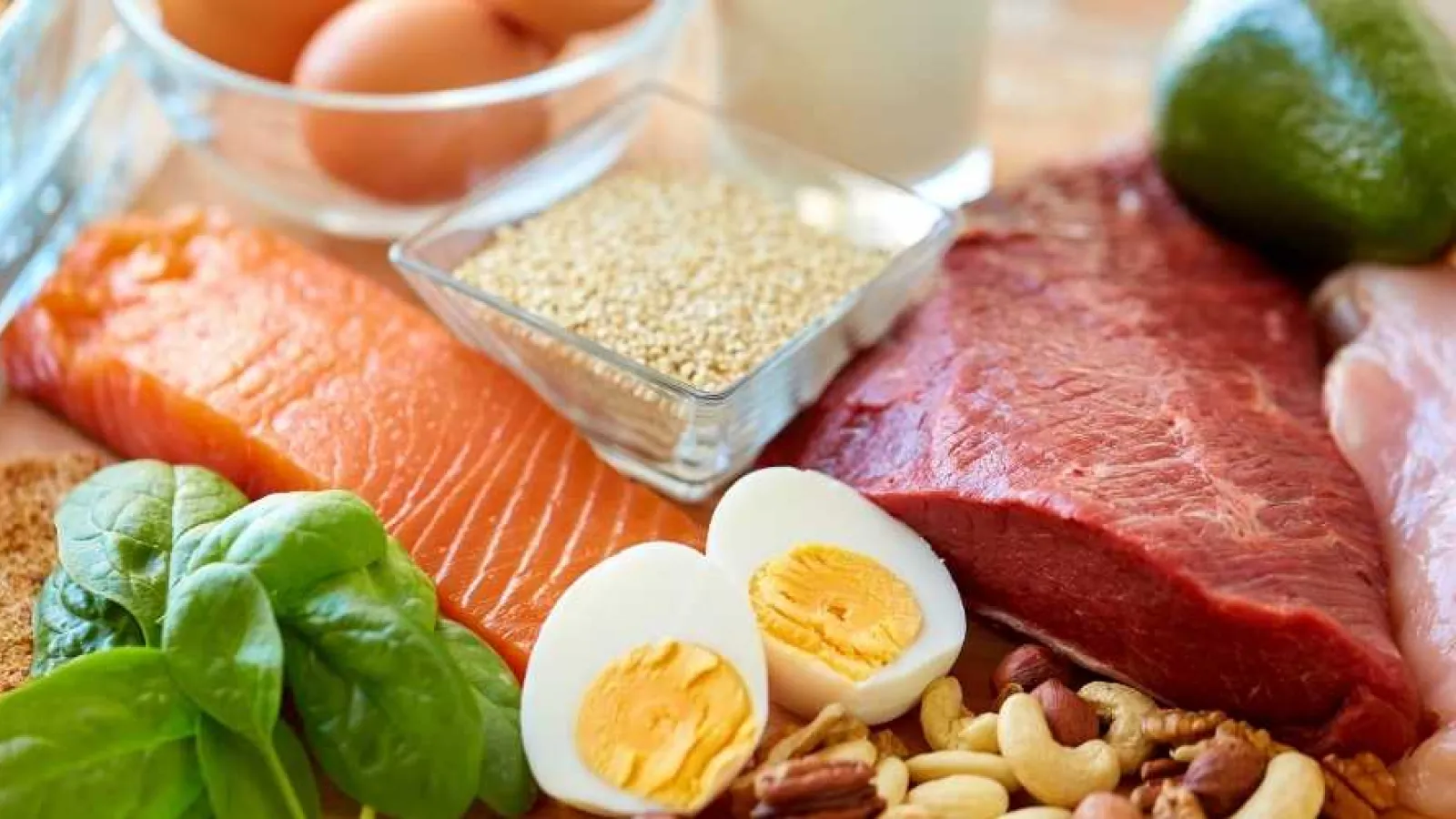
AIMany people consider protein a safe nutrient, but consuming too much can be as harmful as not getting enough. According to experts, eating more than 120 grams of protein per day may pose risks for an average-weight, average-height woman, while less than 50 grams daily is insufficient for the body's cells.
There are five signs that may indicate the need to reduce protein intake and increase complex carbohydrates and healthy fats in your diet:
First, persistent feelings of discomfort or irritability. High protein intake often means fewer carbohydrates, the brain's main energy source, which can lead to poor mood and ongoing irritability. In this case, it is recommended to add complex carbohydrates such as whole grains.
Second, feeling tired more quickly than usual. A lack of carbohydrates combined with high protein can cause fatigue and low energy, so if you notice this change, it may be time to review your diet.
Third, constant thirst. Excessive protein can lead to dehydration because it increases the burden on the kidneys to eliminate nitrogen waste, resulting in frequent urination and thirst.
Fourth, constipation. Protein may replace the fiber needed for healthy digestion, making bowel movements difficult. In this case, increasing your intake of fresh vegetables, fruits, legumes, and whole grains is advised.
Fifth, weight gain. While protein can help curb appetite, too much animal protein or sugary, fatty protein drinks may have the opposite effect and lead to weight gain.