Traditional wooden measures preserve trade history in Northern Borders
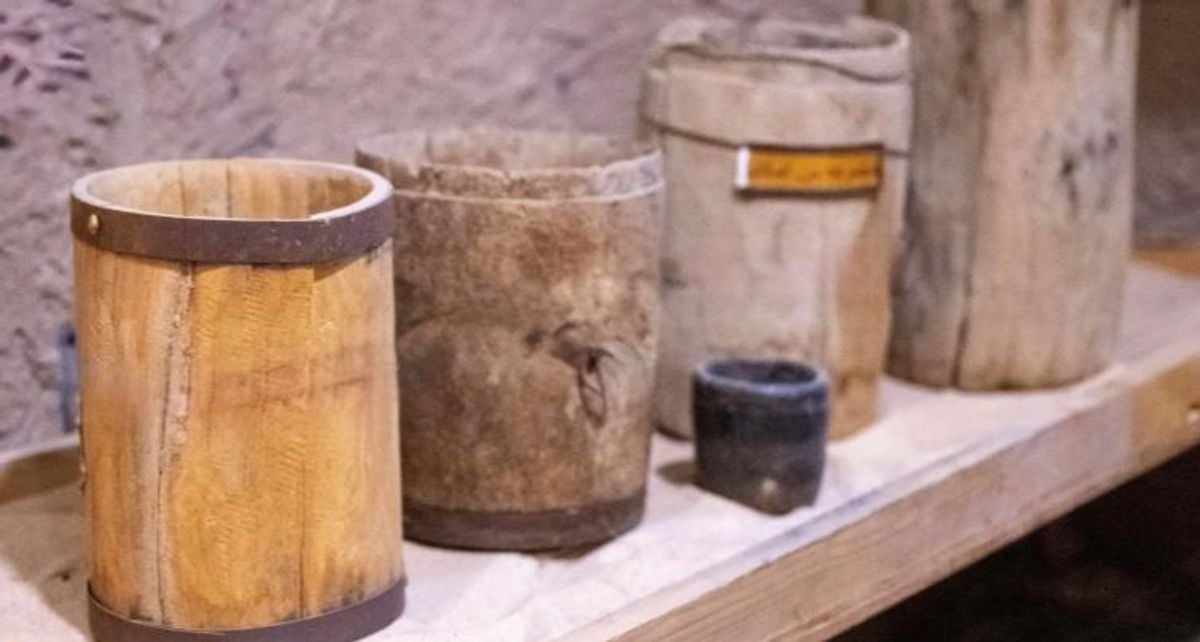
Heritage wooden measures tell the story of a key era in Northern Borders, once vital for weighing crops and goods before modern tools replaced them.
Key Takeaways
AIHeritage wooden measures represent an important chapter in the history of local communities in the Northern Borders region. For decades, they were the main tools for measuring crops and goods before modern measurement methods took their place.
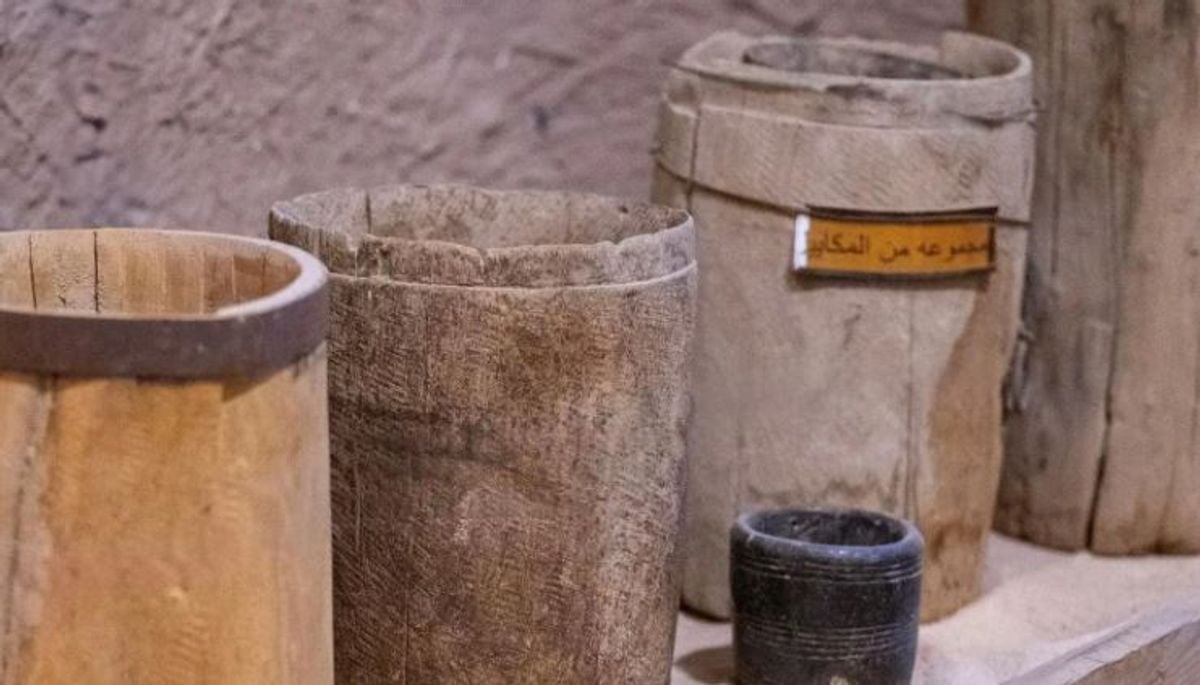
These measures were crafted from local wood in various sizes and units, with some reinforced by metal bands for added durability. The units used varied according to the type of goods and their intended use. Among the most common were the sa’ (a traditional measure), the mudd, and the half, as well as standard containers for measuring liquids such as ghee and honey.
Wooden measures helped regulate buying and selling based on widely accepted standards. Their use was closely linked to values of honesty and fairness, which formed the foundation of commercial dealings in the community.
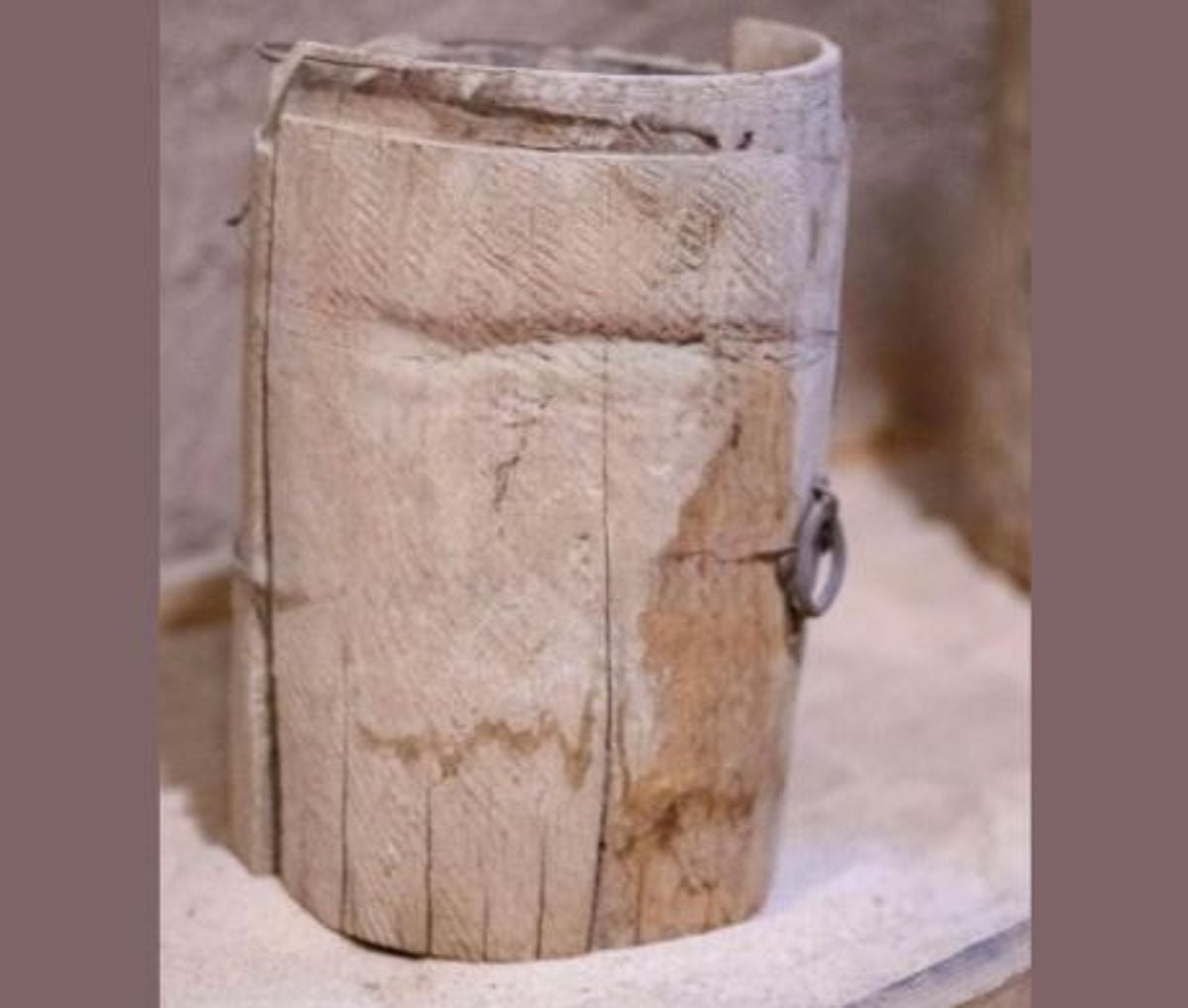
Heritage experts affirm that these tools are part of the region’s cultural memory, documenting traditional lifestyles, crafts, and trade practices. Museums and heritage collections are keen to display them as part of their exhibits, preserving this legacy and introducing new generations to the tools that accompanied their ancestors’ daily lives.