

Researchers warn of silent disease that can go undetected for decades
A new study finds atherosclerosis may begin early in life and remain symptomless for decades, with signs detected in over 57% of participants.
Key Takeaways
AIResearchers from Denmark and Spain have found that atherosclerosis may begin at a young age and persist for decades without symptoms, making it one of the silent diseases linked to heart attacks.
According to the Science Alert website, the study involved 16,808 adults aged 18 to 70, none of whom had known cardiovascular disease.
Comprehensive imaging was available for 13,186 participants, revealing signs of atherosclerosis in more than 57% of them.
The disease was detected even among the youngest participants, with about one in 13 people aged 18 to 29 showing signs. Its prevalence increased with age.
In their thirties, arterial plaques were found in 34.6% of men and 21.3% of women. The results also showed that the disease tends to start in men five to ten years earlier than in women, but rates among women rise more rapidly during middle age.
By ages 60 to 70, only 1.9% of men and 8.1% of women showed no arterial plaques.
Plaques were also observed in the carotid, femoral, and coronary arteries in 56.3% of men and 30.7% of women in the oldest age group.
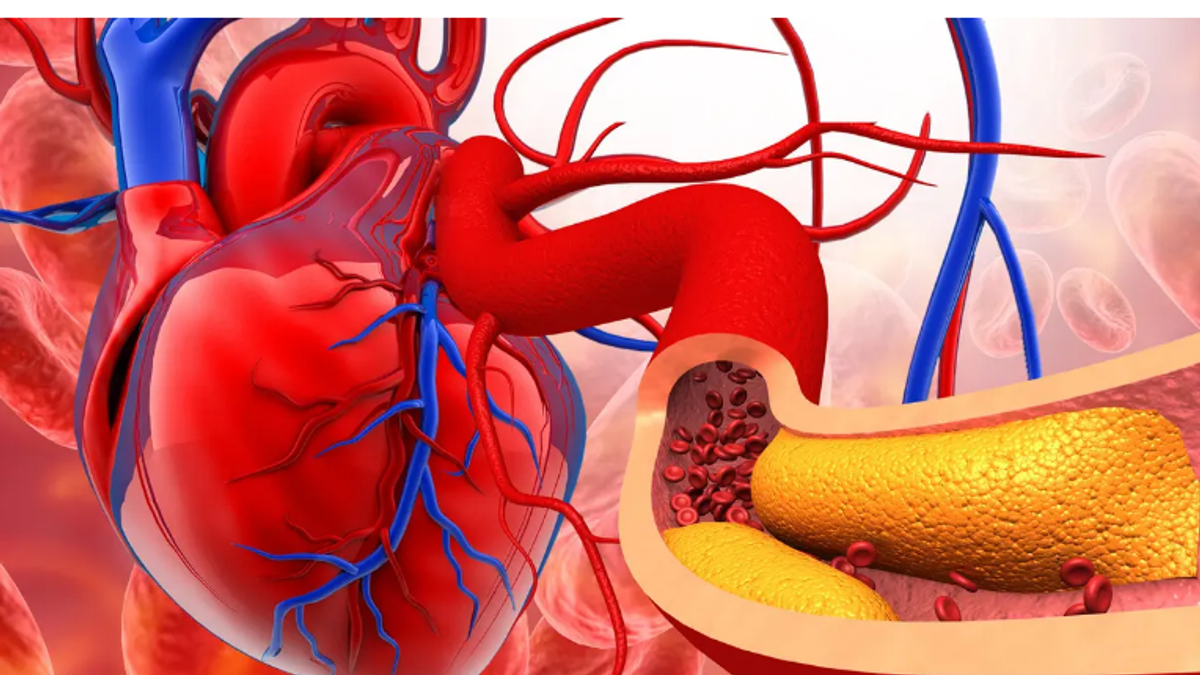
Atherosclerosis occurs when fats, cholesterol, and other substances build up inside artery walls, forming plaques that can cause heart attacks or strokes.
The study noted a gap between the actual presence of the disease and traditional risk estimates. The SCORE2 tool classified only 1.9% of those with silent atherosclerosis as high risk among participants aged 40 to 69.
Researchers stressed that the findings do not mean routine imaging is necessary for everyone, as the current phase was limited to assessing the disease's prevalence and progression.
They hope to conduct a large clinical trial in the future to test the effectiveness of early detection and intervention compared to current preventive methods. The study was published in the New England Journal of Medicine and reported by Science Alert.