

Bahraini-Saudi study explores AI’s impact on media education
A pioneering joint study examines how integrating AI into media curricula prepares students in Bahrain and Saudi Arabia for the evolving job market.
Key Takeaways
AI
Coinciding with Saudi Arabia’s “Year of Artificial Intelligence 2026,” a joint Bahraini-Saudi scientific study has been praised by the scientific committee and reviewers for its academic rigor, methodological precision, and findings linking AI education to preparing media students for the job market.
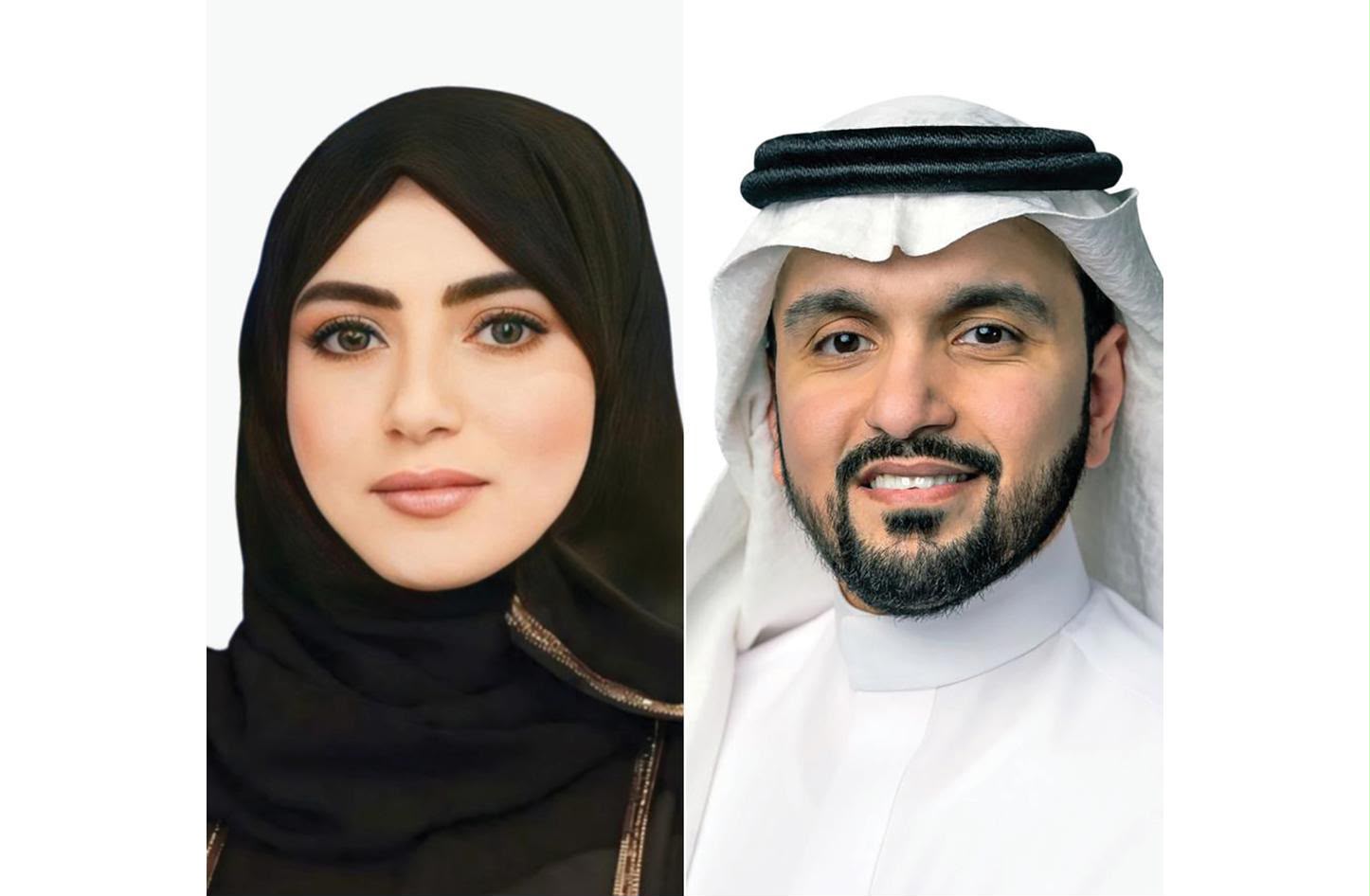
The study was conducted by Dr. Maha Hameed Dakhil Al-Anzi from Bahrain and Dr. Mohammed Muflih Al-Salem from Saudi Arabia, under the title: “The Impact of Integrating Artificial Intelligence into Media Curricula on Labor Market Requirements: A Field Study of Media Students in the Kingdom of Bahrain.”
Published in the 45th issue of the Arab Journal of Media and Communication—a peer-reviewed academic journal issued by the Saudi Association for Media and Communication at King Saud University—in July 2026 (Muharram 1448 AH), the study marks a significant contribution to the field.
The research surveyed Bahraini and Saudi media students enrolled in both public and private universities in Bahrain, aiming to assess the presence of AI skills in curricula and students’ readiness to work in a rapidly evolving media environment.
Results showed a high level of AI skill integration in media curricula, especially in text editing, data analysis, and content production. Students demonstrated strong awareness of these technologies and readiness to apply them in media work.
However, the study found that practical skills need further reinforcement. Familiarity with AI tools alone is not sufficient for professional readiness without hands-on training in content creation, information analysis, media editing, and verifying AI-generated materials.
Innovation, data analysis, media editing, and speech-to-text conversion emerged as the most influential skills for student preparedness, while multimedia content production was identified as an area needing greater emphasis in curricula and training programs.
The researchers stressed that the future of media will not rely solely on technology, but on professionals capable of using it with awareness and efficiency, while maintaining accuracy, credibility, privacy, intellectual property rights, and professional ethics.
The study recommended that universities in Bahrain and Saudi Arabia continuously update media curricula, introduce specialized courses in AI applications and media innovation, and increase practical training in data analysis, content production, image and video editing, and information verification.
It also called for stronger partnerships between universities and media organizations, involving practitioners in curriculum development and identifying job market skill needs, as well as providing professional and cooperative training opportunities that simulate real work environments.
The study emphasized the importance of expanding academic and professional cooperation between Bahrain and Saudi Arabia, developing joint programs and research to monitor AI’s impact on media professions, and anticipating the future needs of journalists, content creators, and communication professionals.
This research is the first of its kind in Bahrain to link AI integration in media curricula with labor market requirements, offering results that can benefit universities, media organizations, students, and practitioners in both countries to help prepare media professionals who combine technical knowledge, professional skills, and ethical responsibility.