

Heritage Commission concludes fourth excavation season at Al-Ma'mala site in Al-Baha
Saudi Arabia’s Heritage Commission has completed the fourth season of archaeological excavations at the Al-Ma'mala site in Al-Baha, uncovering key historical finds.
Key Takeaways
AIThe Heritage Commission has concluded the fourth season of its archaeological excavation project at the Al-Ma'mala site in Al-Baha, as part of ongoing efforts to protect the Kingdom’s national heritage, highlight its archaeological and architectural diversity, and strengthen its presence in public cultural awareness, in line with the goals of Saudi Vision 2030 to develop and empower the cultural sector.
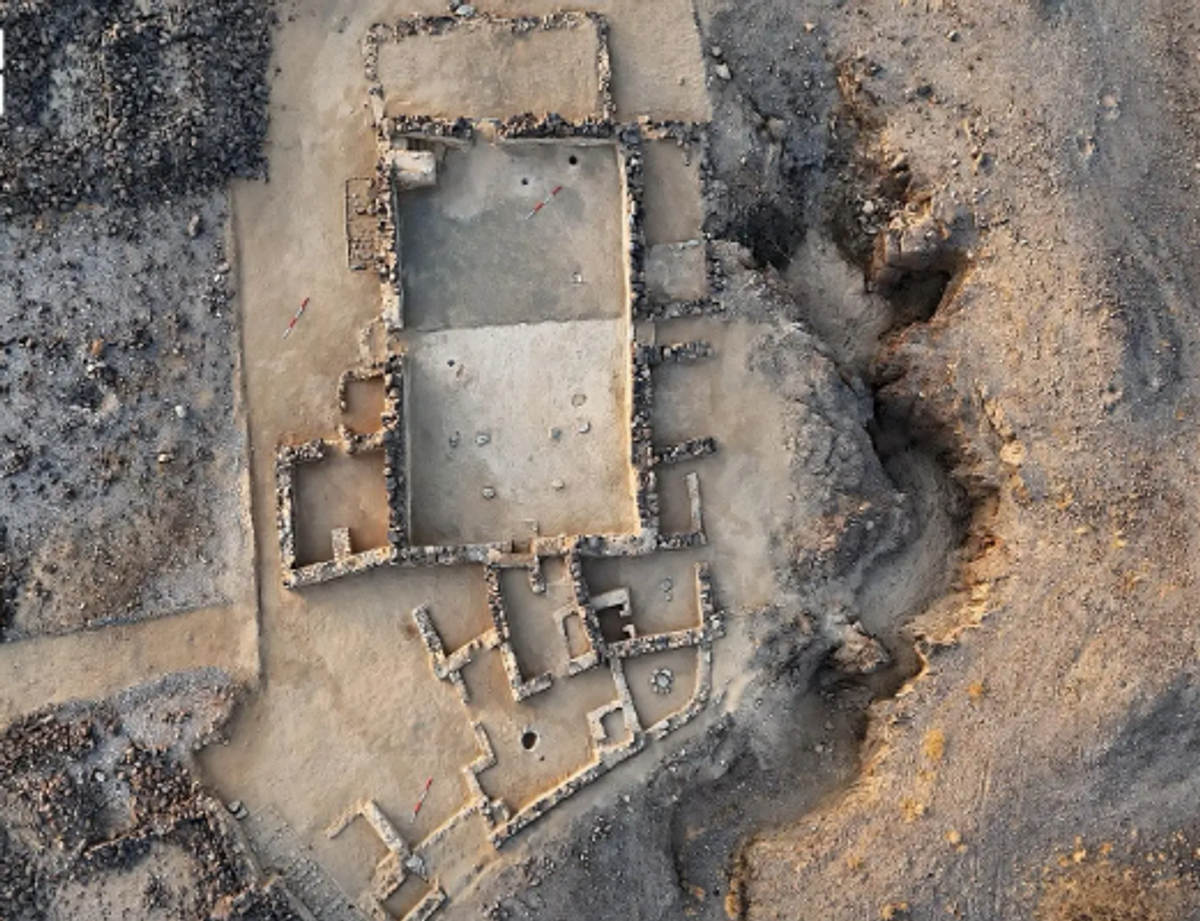
This season saw the discovery of an ancient mosque dating back to the first century AH, located in the western residential area of the site. Built from finely cut granite stones, the mosque features a unique layout combining precision and simplicity in the design of its mihrab, entrances, and minaret. The mosque measures 16 meters from north to south and 10 meters from east to west.
The mosque is surrounded by several adjoining stone rooms that were used for social and commercial purposes, containing detailed architectural elements such as storerooms, basins, and supports that reflect the local building style of that era.
The scientific team documented a variety of archaeological finds that shed light on the daily life of the site's former inhabitants. Notable discoveries include fragments of soapstone and pottery vessels in various shapes, as well as finely crafted stone tools such as grinders, pestles, and parts of millstones, offering insights into the daily activities and artisanal skills of the people who once lived at Al-Ma'mala.
Al-Ma'mala is considered one of the most prominent archaeological sites in Al-Baha, known for its historical extraction of mineral ores such as gold, silver, and copper. The site contains evidence, tools, and facilities related to ore extraction, processing, and production, dating back to various historical periods. Its mineral resources made it an important economic hub for craftsmen and traders during the Islamic era.
Organic samples collected from Al-Ma'mala in previous seasons indicate that mining activity predates Islam. Laboratory analysis shows that mining flourished from the late sixth to the ninth century CE, spanning from before the advent of Islam to the early Islamic period. This opens new avenues for understanding the evolution of industrial activity in the region.
Findings from previous seasons reveal that the development of mining at the site led to the emergence of various types of mining settlements, starting with surface mines, followed by temporary settlements and regional smelting centers, and eventually early economic towns. This reflects a gradual transformation in the nature of human and economic activity in the area.
The Heritage Commission affirms its commitment to continuing archaeological survey and excavation projects across the Kingdom, and to advancing documentation and protection methods for archaeological discoveries, thereby supporting the sustainability of the national cultural heritage and highlighting its role as an integral part of Saudi Arabia’s identity and enduring historical status.