

Saudi Arabia unveils new energy crisis response plans
Energy Minister Abdulaziz bin Salman highlights flexibility and pipeline upgrades as Saudi Arabia prepares for potential energy crises.
Key Takeaways
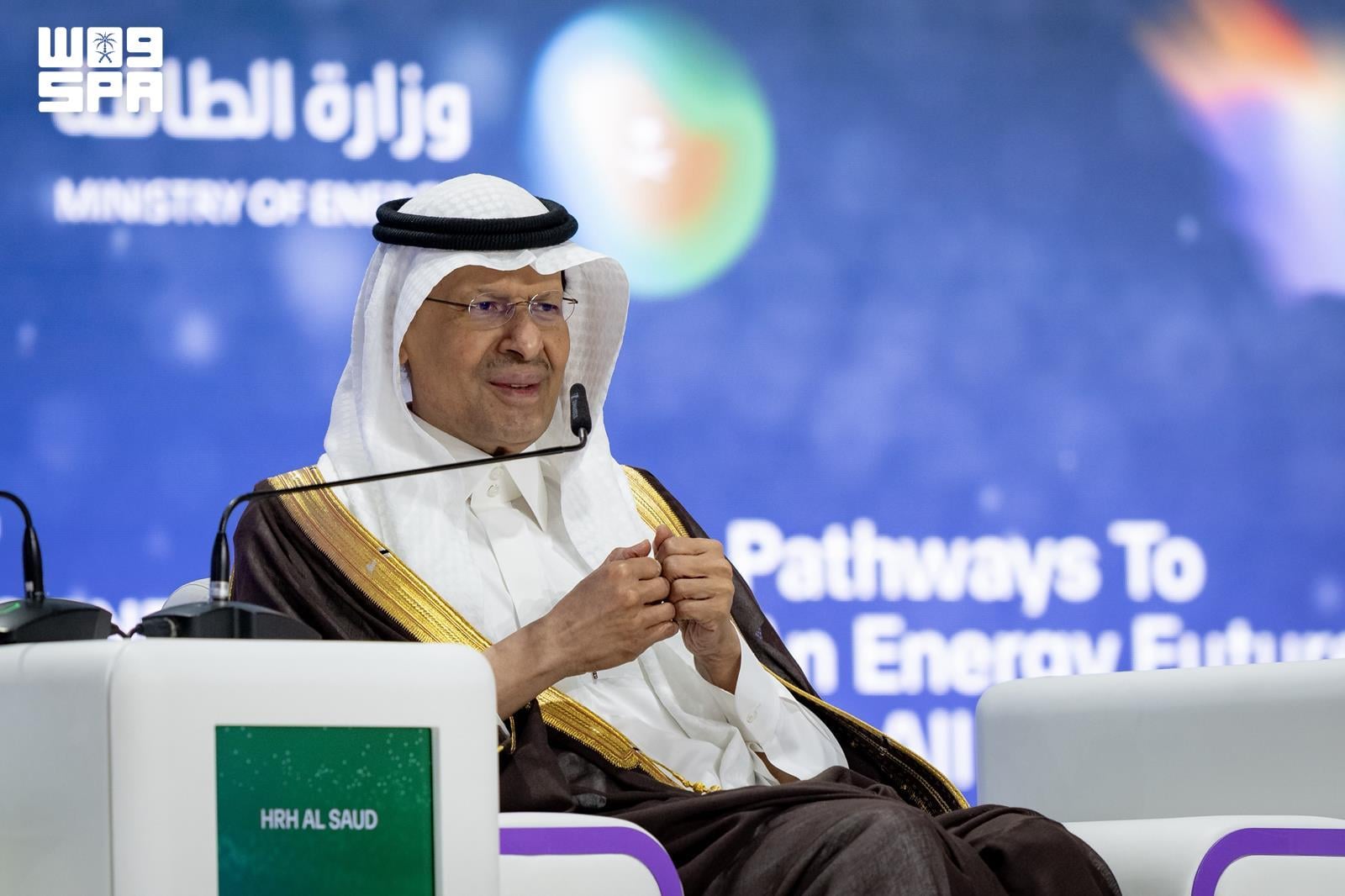
AISaudi Energy Minister Abdulaziz bin Salman bin Abdulaziz has emphasized that addressing energy crises requires a focus on flexibility and developing diverse options and alternatives to respond to emergencies. Speaking during a ministerial session titled "Outlook for Global Oil and Gas Markets" at the 25th World Petroleum Congress, hosted in Riyadh until October 15—the first time Saudi Arabia has hosted the event in its 90-year history—he outlined the Kingdom's approach to energy security.
The session included ministers from Algeria and Nigeria, as well as the OPEC Secretary-General. At the outset, Abdulaziz bin Salman stressed the importance of advance preparation and planning for various scenarios, noting that energy security challenges can arise at any time and require efficient, effective responses.
He stated that the energy sector has demonstrated high resilience in overcoming crises over the decades, despite the length and impact of recent energy disruptions. He added that the sector now faces unprecedented challenges in both duration and scale.
Balancing sustainability and energy security
On the topic of net-zero goals and energy sector transitions, Abdulaziz bin Salman said the priority is to balance energy security, sustainability, and price stability. He warned against neglecting economic fundamentals and supply security, which could increase operational costs and emergency risks.
He noted that Saudi Arabia, as a leader in the petroleum industry, has achieved significant progress in renewable energy and battery technologies, and is working to build further capacity to meet future demand—including demand driven by artificial intelligence.
Developing Saudi pipeline infrastructure
The minister highlighted the historical and strategic significance of Saudi Arabia's pipelines, explaining that the East-West pipeline was launched in the early 1980s under King Fahd bin Abdulaziz to expand export routes. Its capacity was increased in the 1990s to 5 million barrels per day. He confirmed plans to raise the East-West pipeline's throughput to 10 million barrels per day in the coming years, further strengthening Saudi Arabia's role as a key hub for global energy supply chains.
Contributions from Algeria, Nigeria, and OPEC
Algerian Energy Minister Mohamed Arkab expressed solidarity with Saudi Arabia and condemned attacks against the Kingdom. He highlighted Algeria's efforts to develop energy infrastructure, boost production, and launch a new exploration licensing round for 2026. Arkab noted that Algeria currently utilizes only about 47% of its mining area and is working to enhance connections with European markets and complete the Trans-Saharan gas pipeline project.
Nigerian Minister of State for Petroleum Resources Heineken Lokpobiri affirmed the deep strategic partnership with Saudi Arabia and outlined Nigeria's reforms to attract investment and strengthen export capacity.
OPEC Secretary-General Haitham Al Ghais stated that investment needs in the oil and gas sectors are estimated at around $18 trillion through 2050. He praised Saudi Arabia's role and policies, particularly the East-West pipeline, which he described as a true insurance policy for global energy security.