

Spending on health, education and infrastructure is an investment, says economist
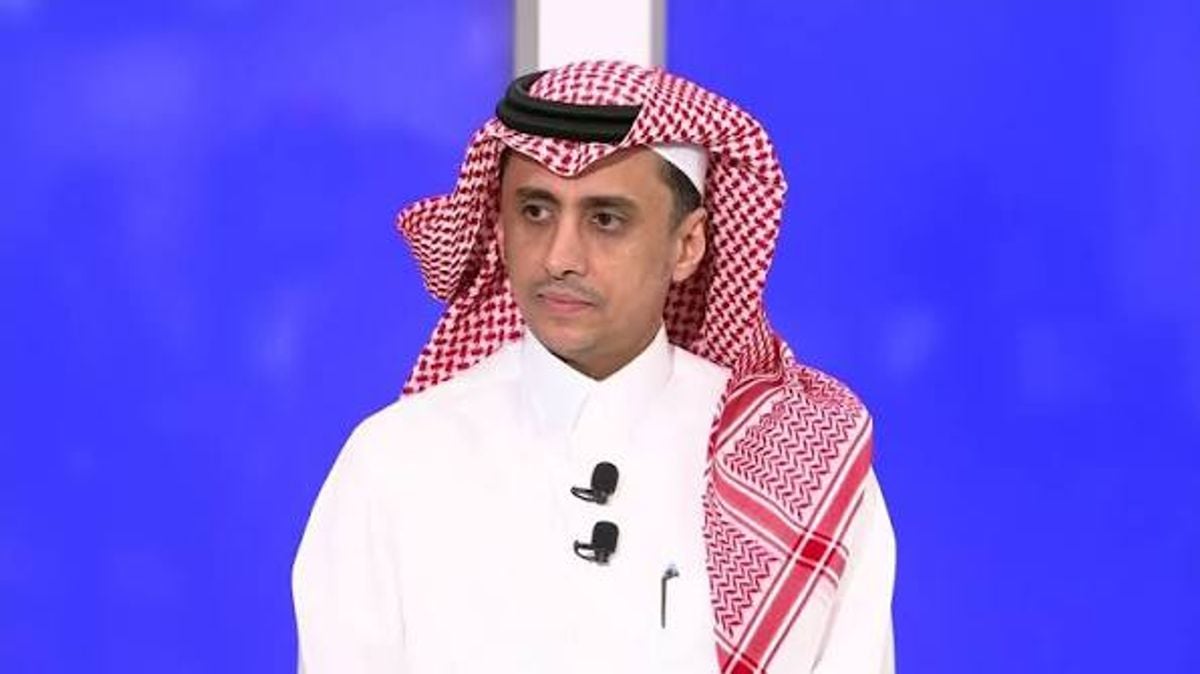
Economist Ali Al-Hazmi says government spending on health, education and infrastructure should be seen as investment, not a negative, for Saudi Arabia’s development.
Key Takeaways
AI
Economist Ali Al-Hazmi has said that spending on health, education and infrastructure sectors should be considered an investment, explaining that higher budget expenditures compared to revenues are not negative when directed toward sectors that support development.
Al-Hazmi, speaking to Al-Ekhbariya TV, added that government spending across various sectors reflects the direction of Saudi Arabia’s budget during the first half of 2026, noting that investment in vital sectors is a key driver of development.
View the post on X
Saudi budget data showed that spending on health and social development rose by 10% in the first half of 2026 to reach 170.607 billion riyals (SAR), making it the largest sector by expenditure.
Spending on education also increased by 5% to 109.734 billion riyals, while expenditure on infrastructure and transport grew by 21% to 22.415 billion riyals.
Other sectors also saw increases: general items spending jumped 44% to 128.813 billion riyals, and military sector spending rose 12% to 124.574 billion riyals.
Spending on security and administrative regions grew by 10% to 66.815 billion riyals, economic resources by 24% to 56.481 billion riyals, municipal services by 7% to 46.253 billion riyals, and public administration by 15% to 34.064 billion riyals.
The Saudi budget report for the second quarter of 2026 showed total revenues at 338.7 billion riyals, compared to expenditures of 373 billion riyals, resulting in a deficit of 34.3 billion riyals—a year-on-year decrease of 0.7%.